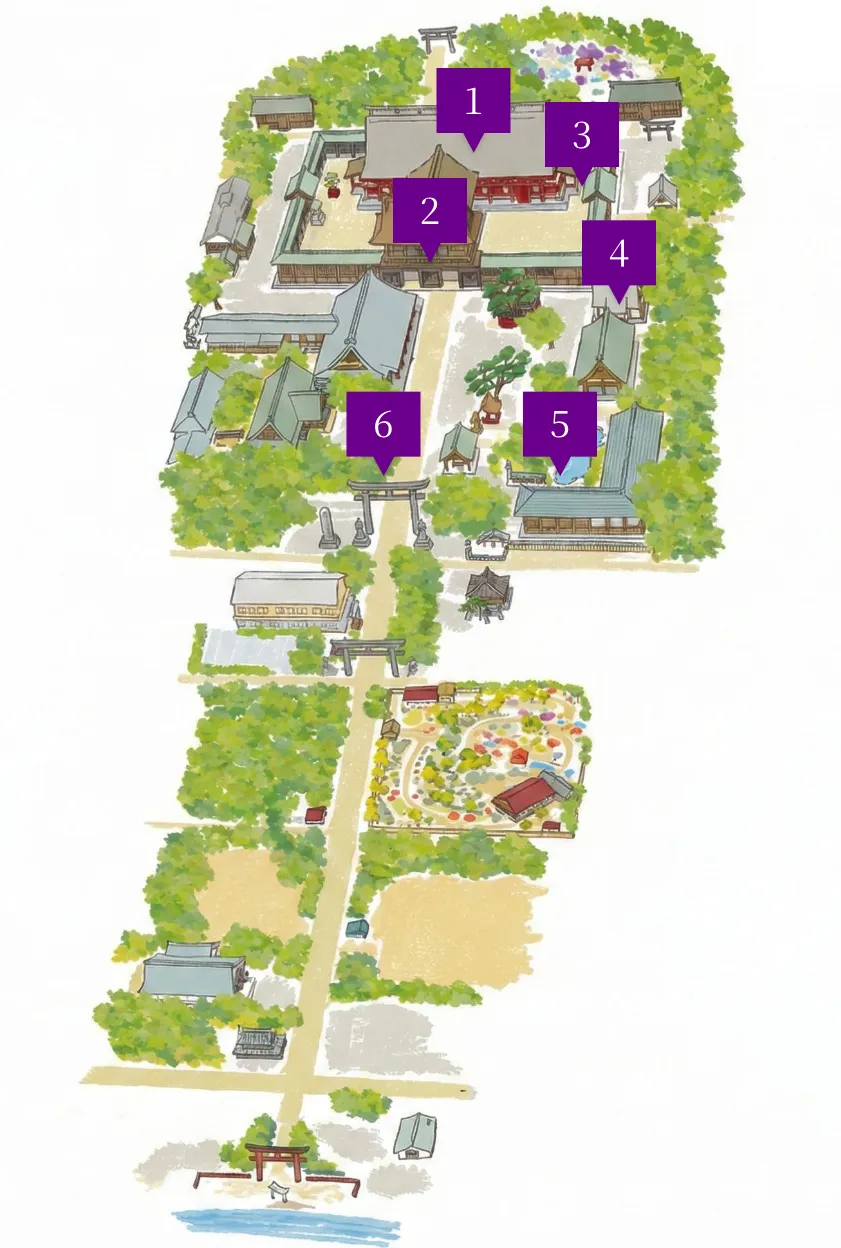
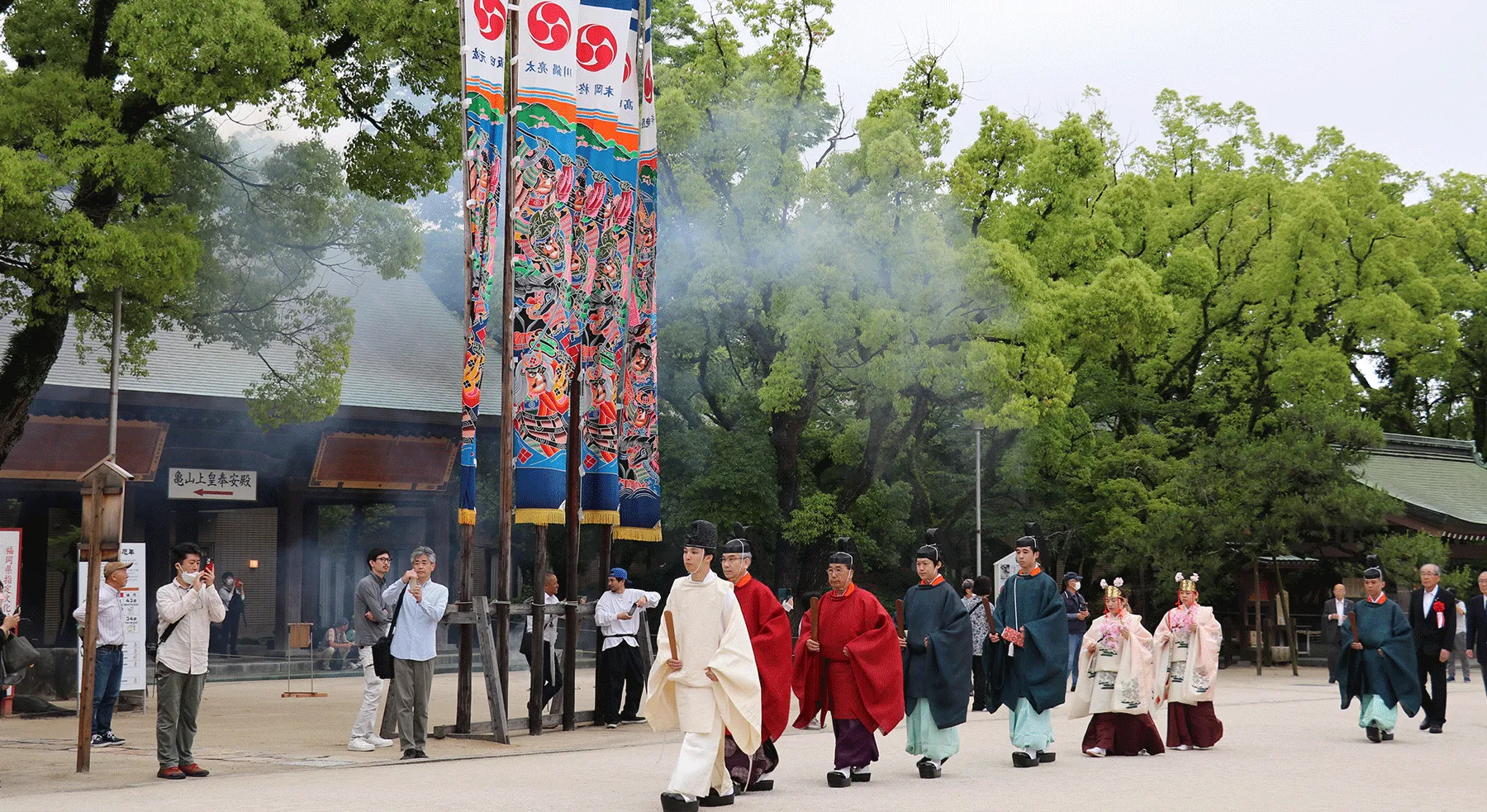

Founded in 923 AD, Hakozaki Shrine is one of Japan's three major Hachiman shrines. It is famous as a place to pray for victory andsuccess. Throughout history, many notable samurai and leaders,including Ashikaga Takauji, Ōuchi Yoshitaka, Kobayakawa Takakage,and Toyotomi Hideyoshi, visited the shrine to pay their respects.
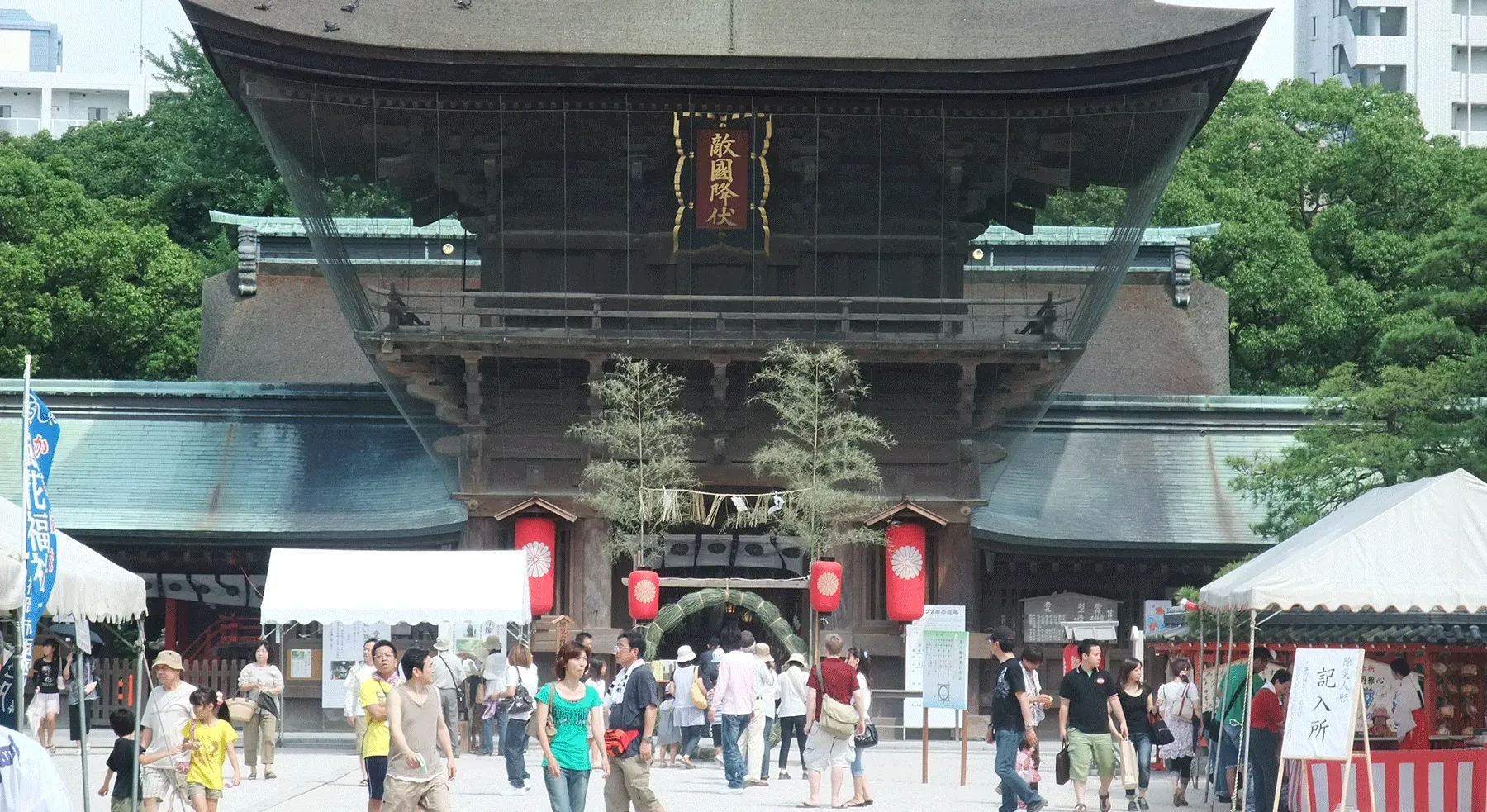
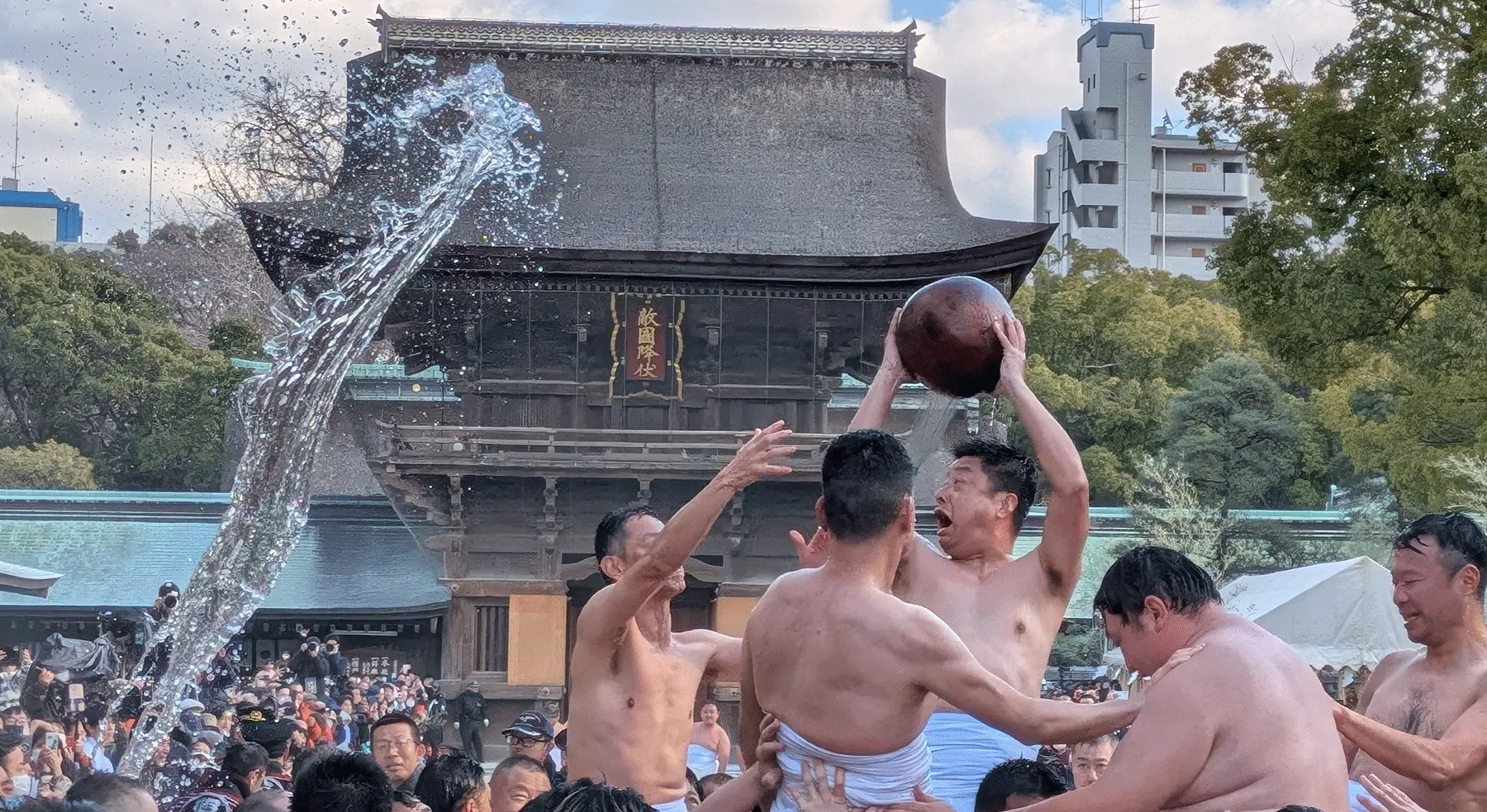
Founded in 923 AD, Hakozaki Shrine is one of Japan's three major Hachiman shrines. It is famous as a place to pray for victory andsuccess. Throughout history, many notable samurai and leaders,including Ashikaga Takauji, Ōuchi Yoshitaka, Kobayakawa Takakage,and Toyotomi Hideyoshi, visited the shrine to pay their respects.
the shrine

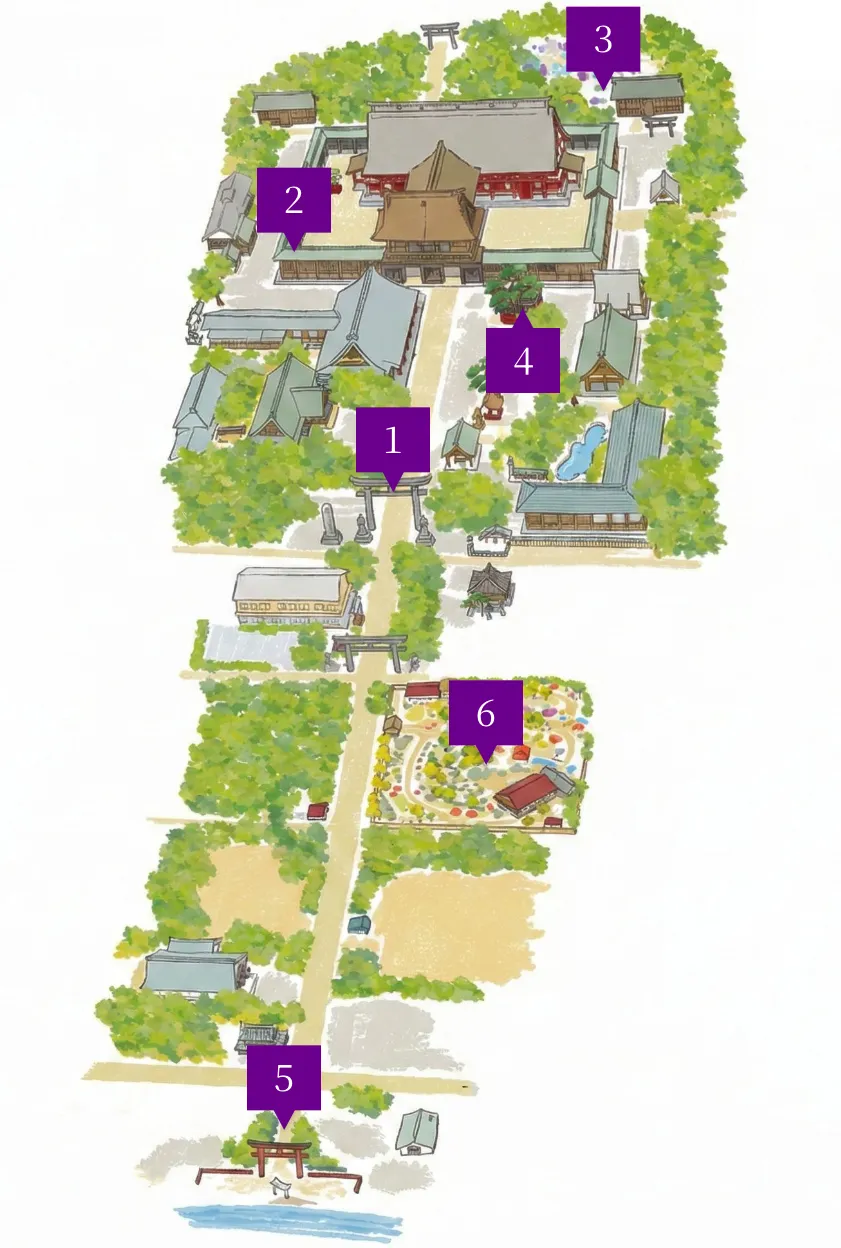
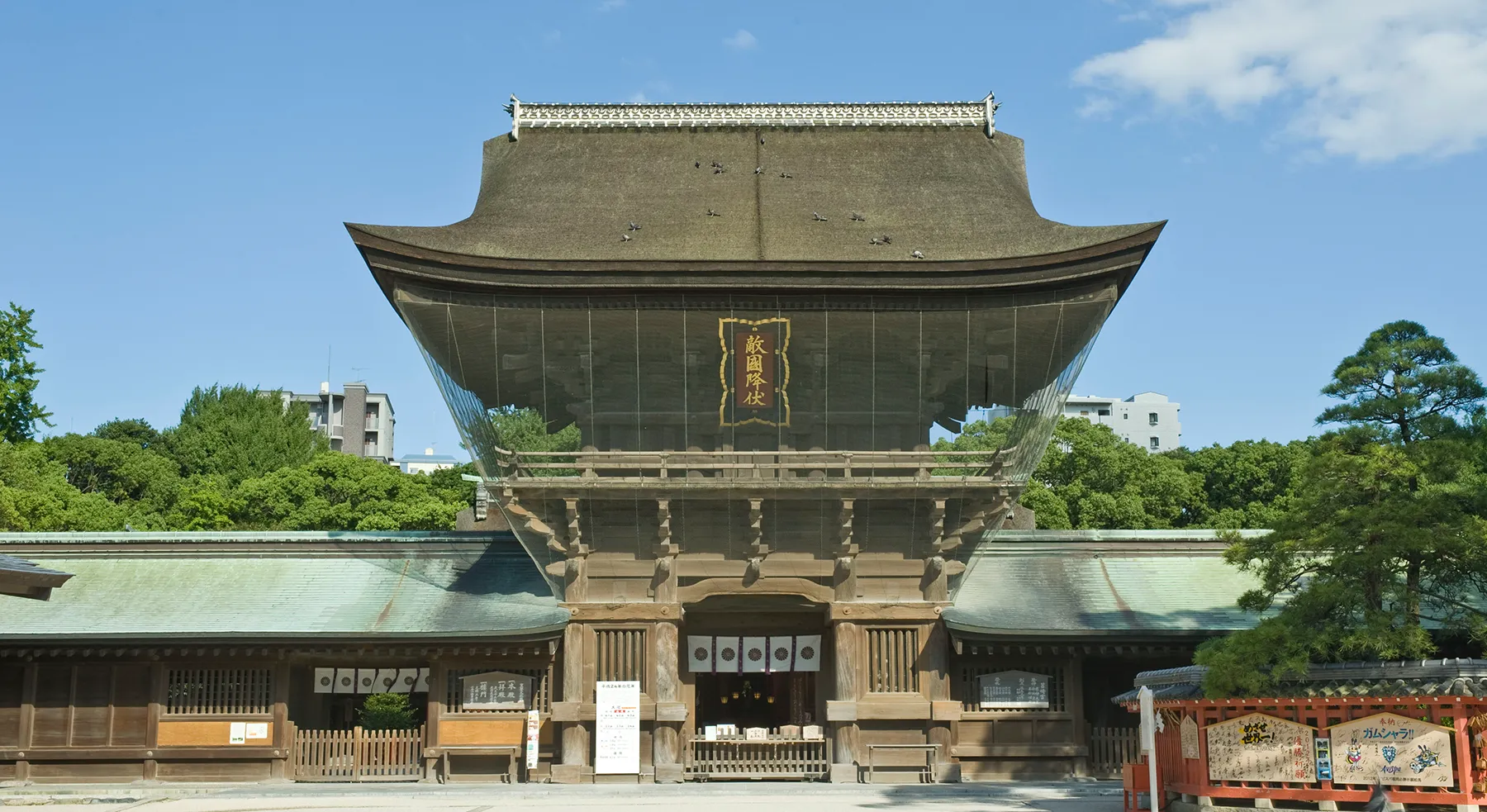
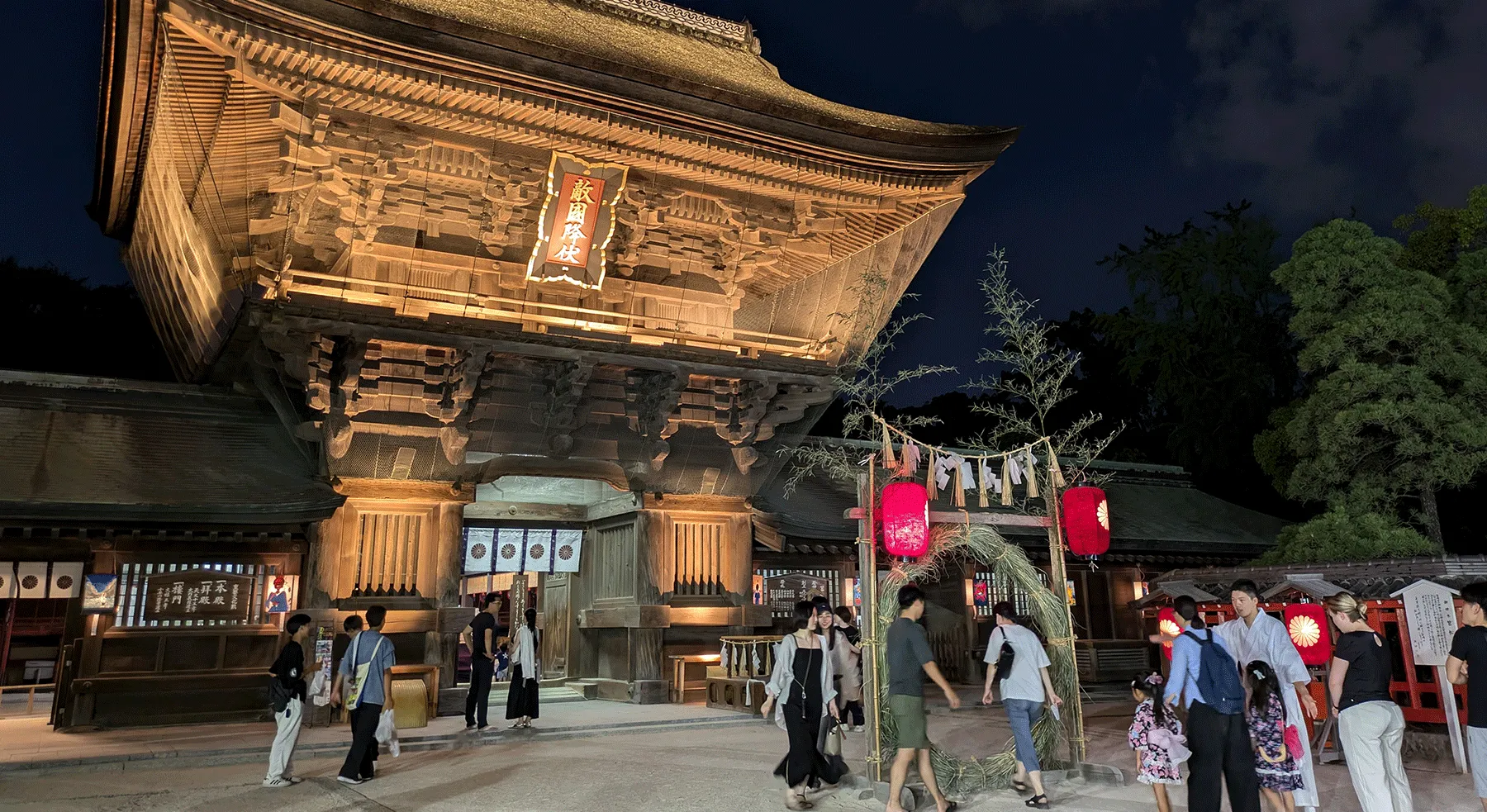
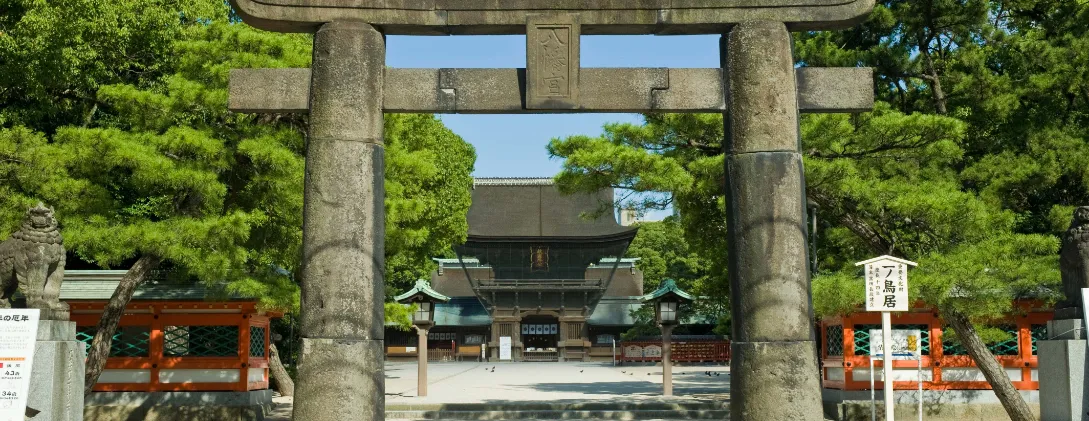
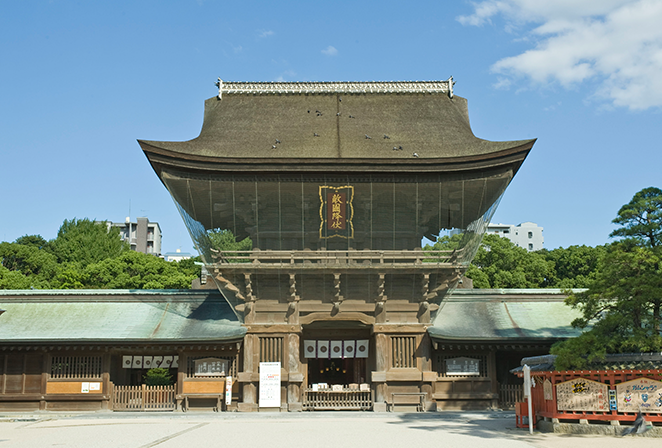
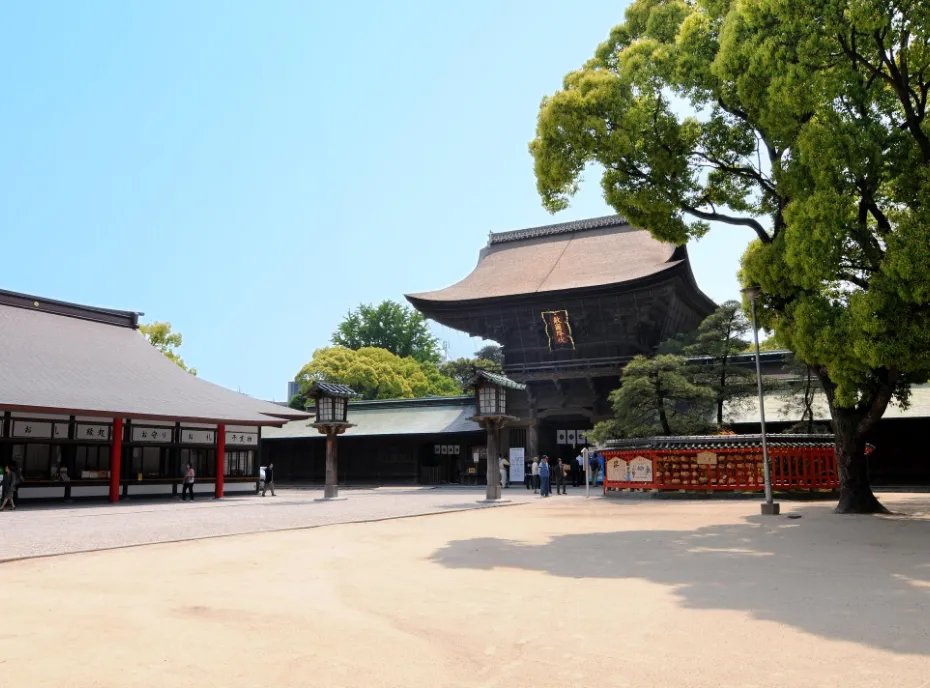
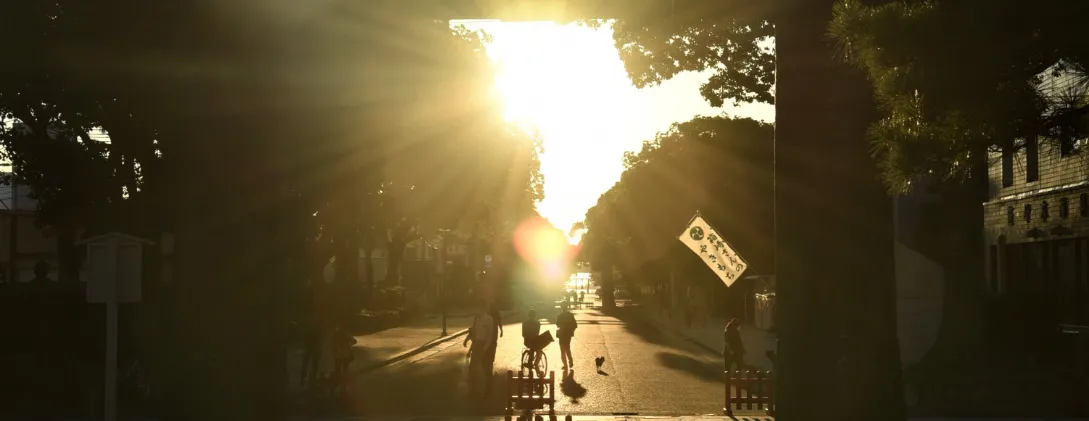
There are two torii gates on the way to the Romon Gate. A torii marks the boundary between the sacred space of the shrine and the secular world. Visitors are expected to bow once before passing under a torii, and to walk along either side of the path rather than in the center.
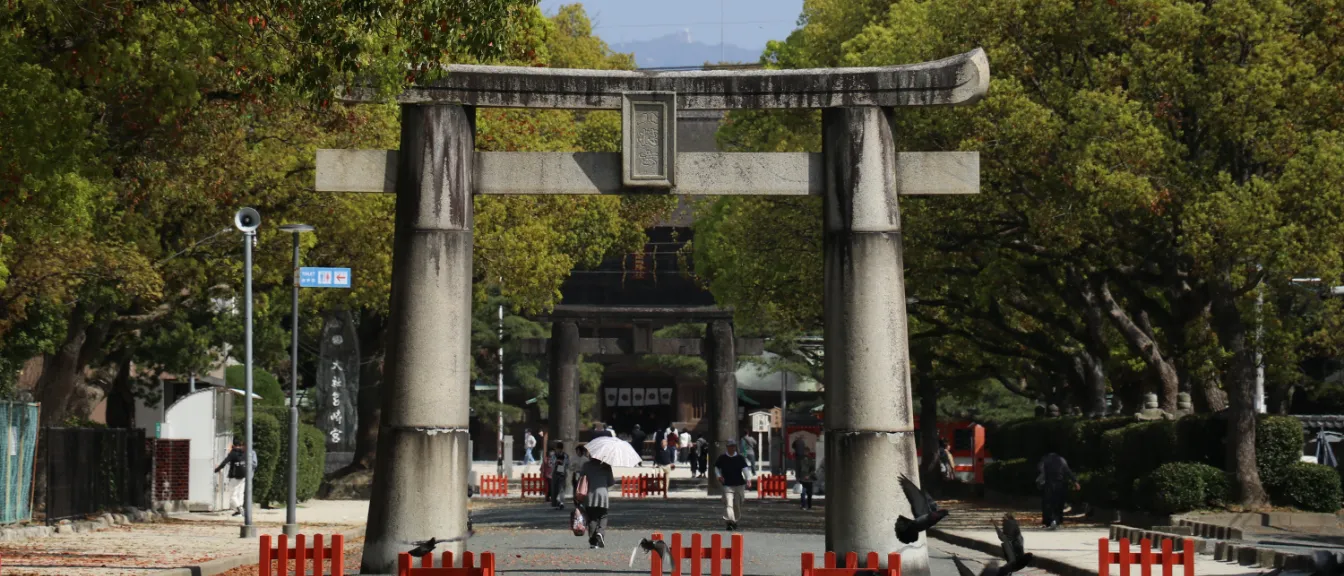
Upon entering the shrine grounds, visitors first purify themselves at the temizuya (water pavilion) by washing their hands and rinsing their mouths.
How to Use the Purification Fountain(Video)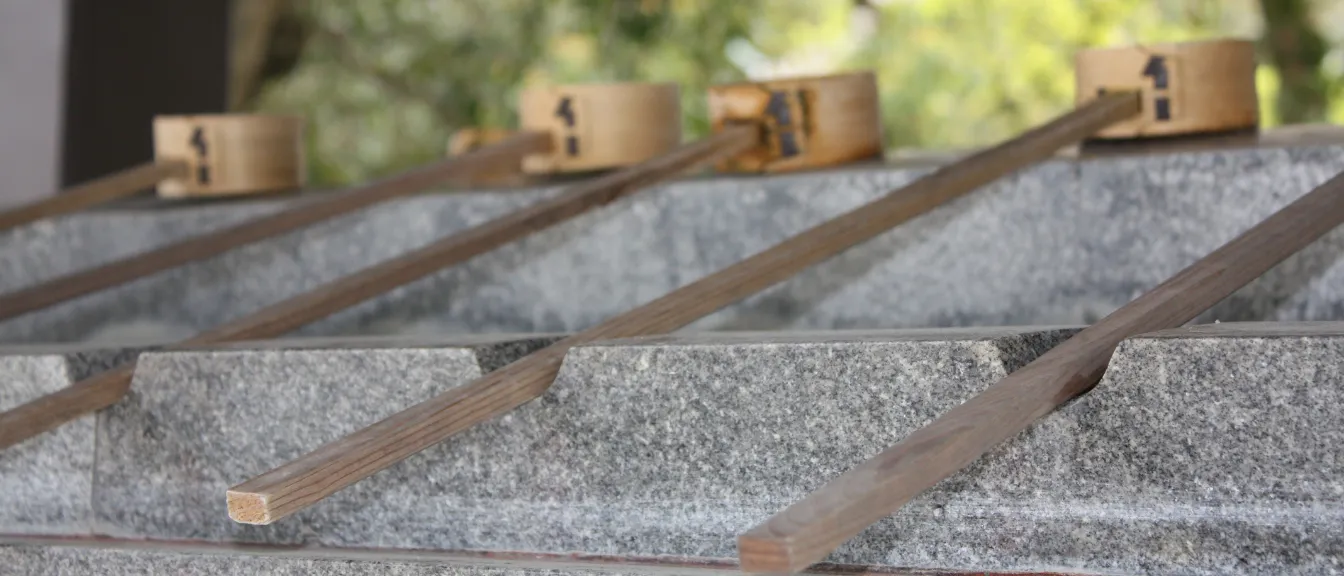
Please gently place a coin or bill into the offering box ? and offer a prayer.
There is no set amount for the offering; it is a sign of your gratitude.
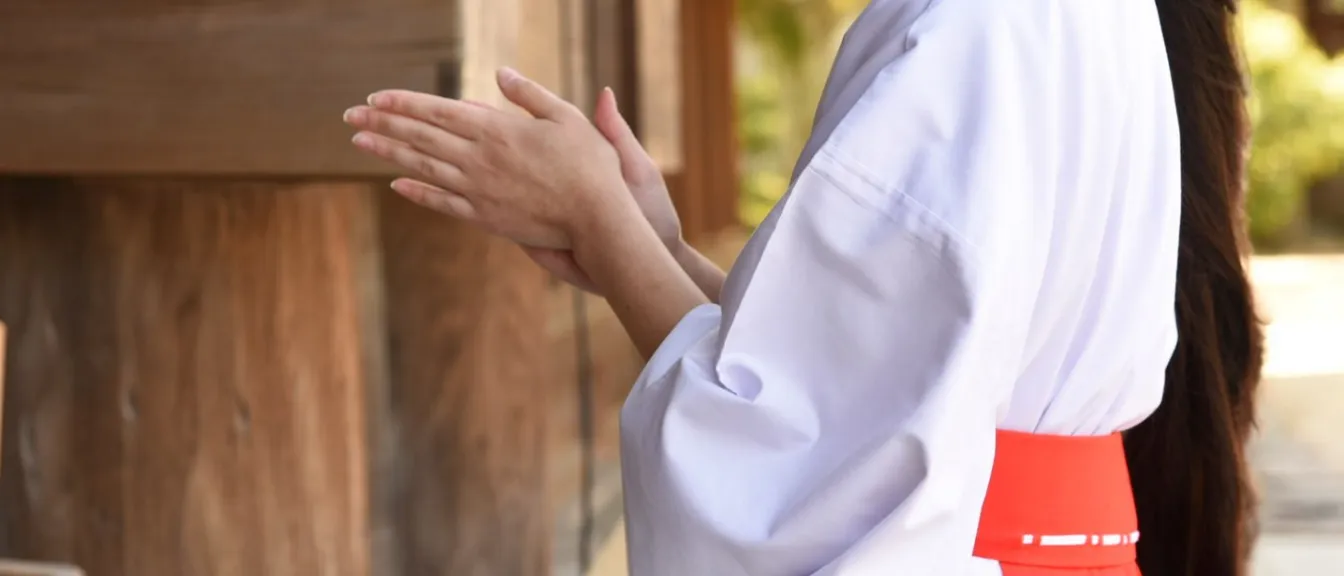
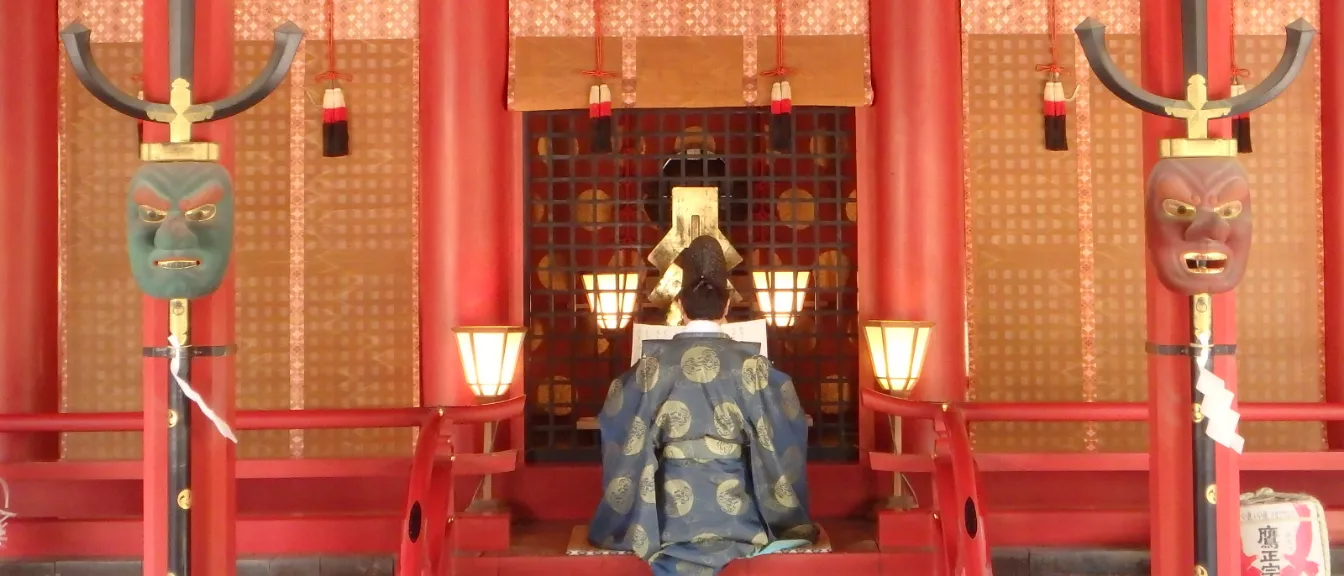
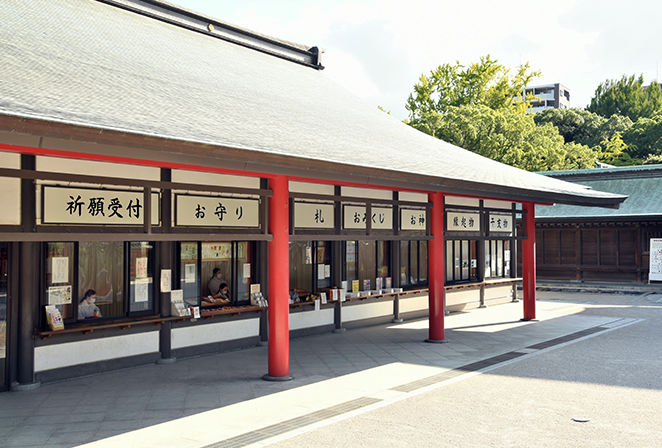
At Hakozaki Shrine, our priests can offer a special prayer (kigan) for you.
If you'd like to have a prayer performed, please visit the prayer reception desk [link to map].
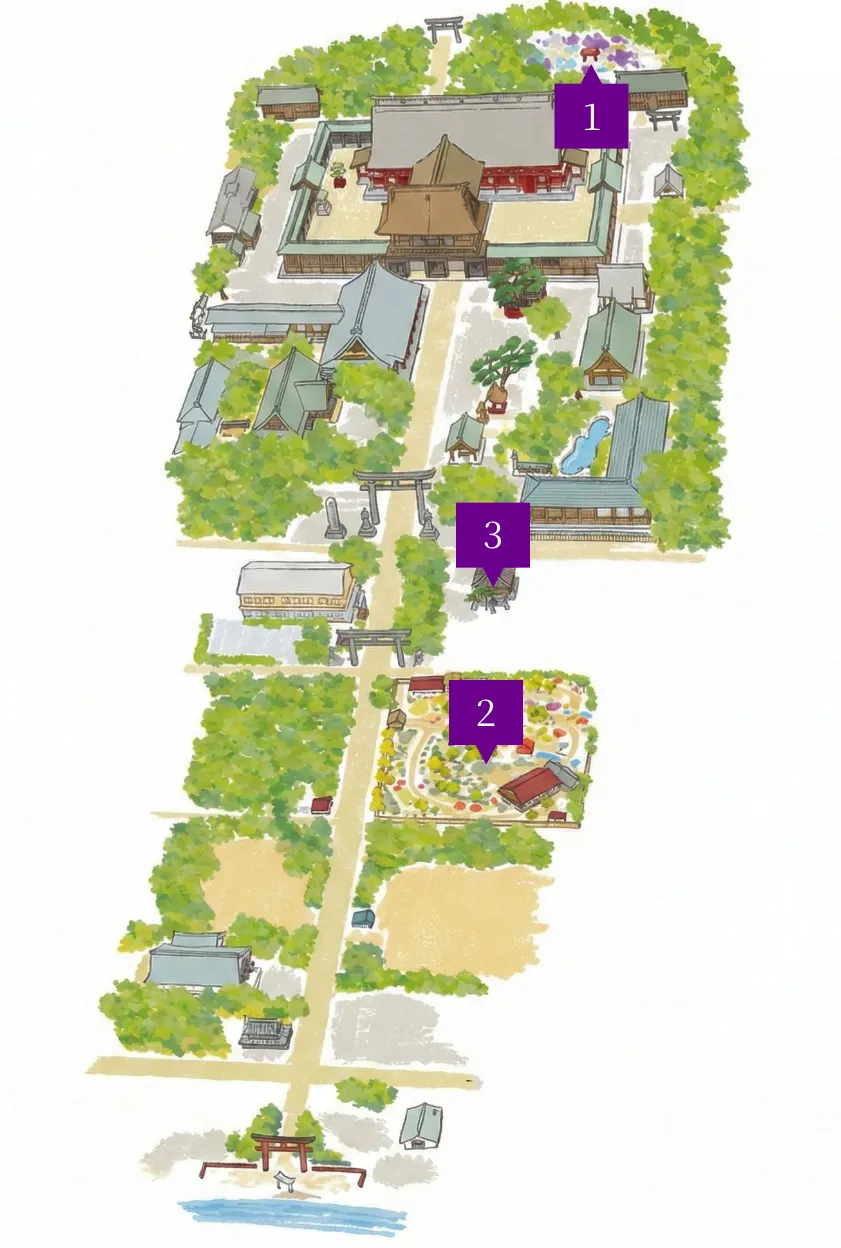
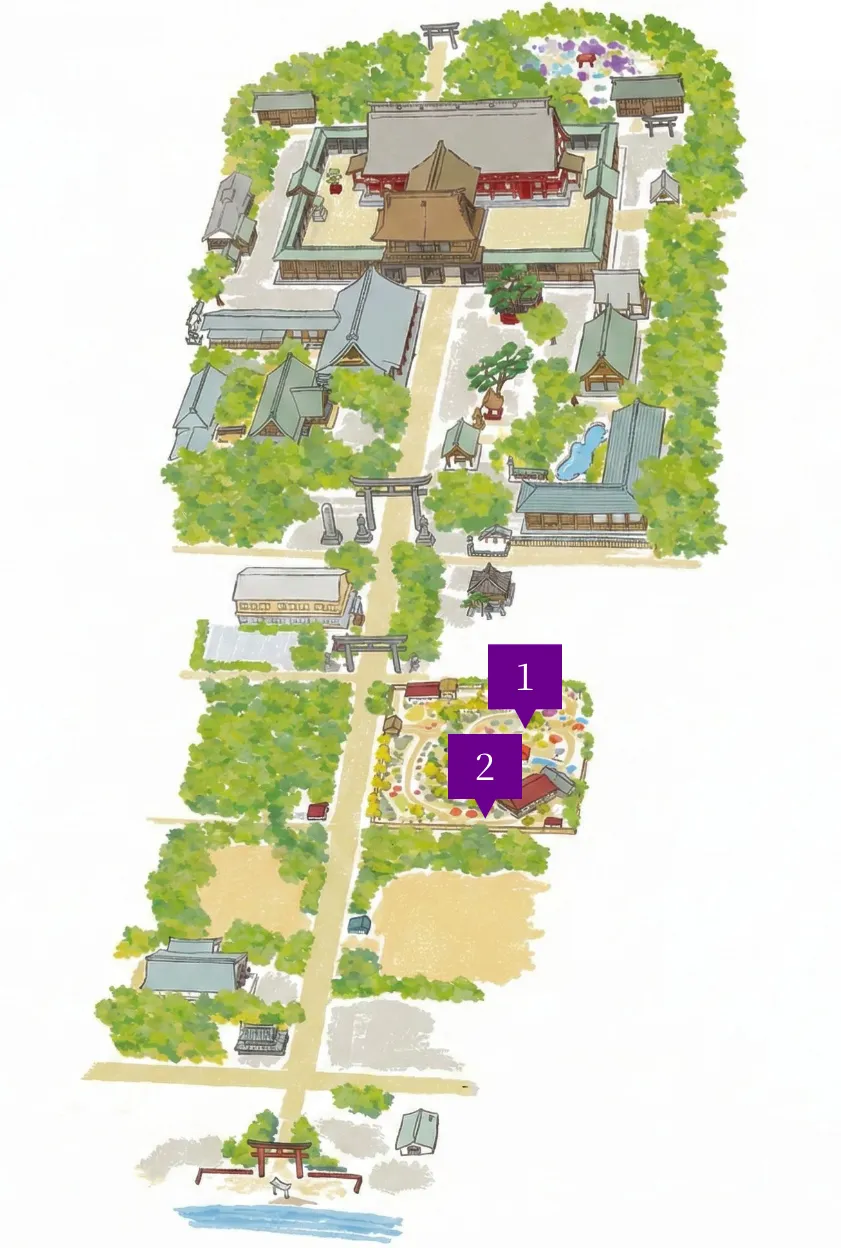
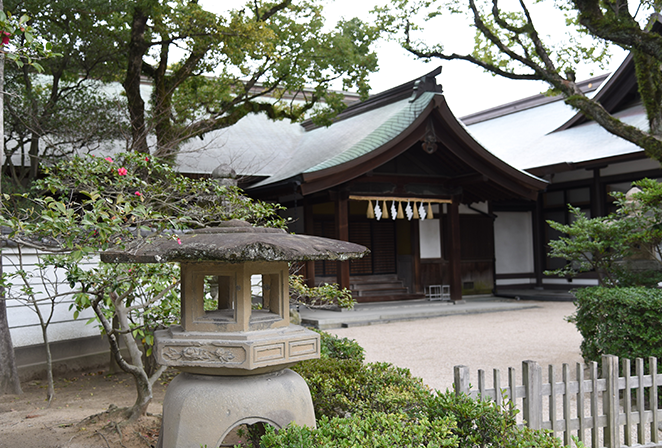
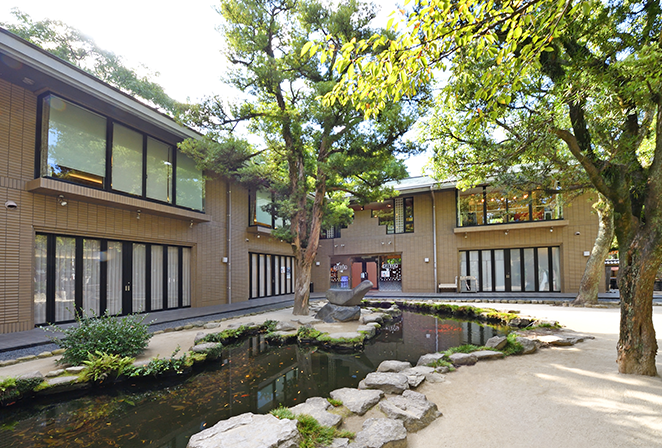
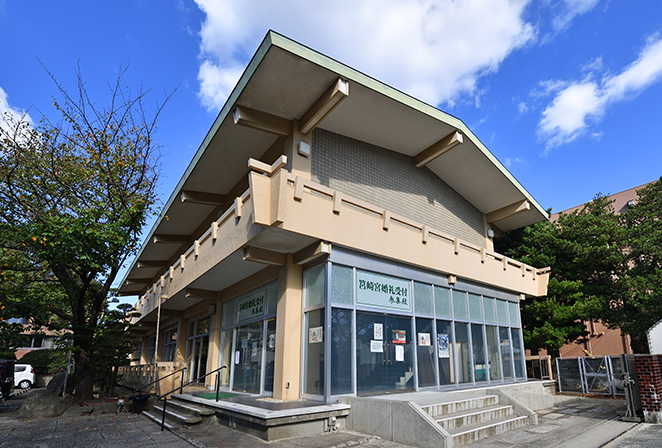
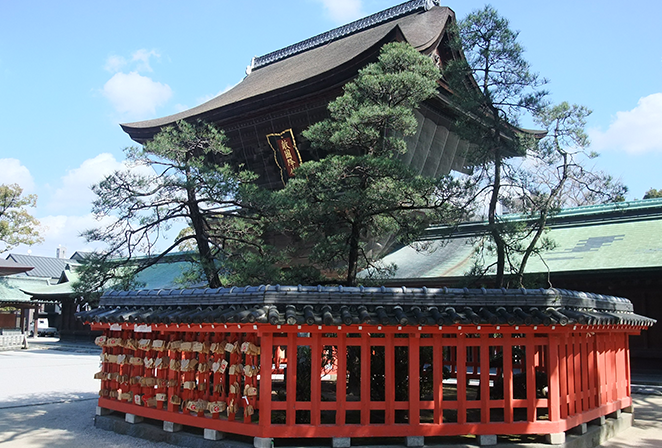
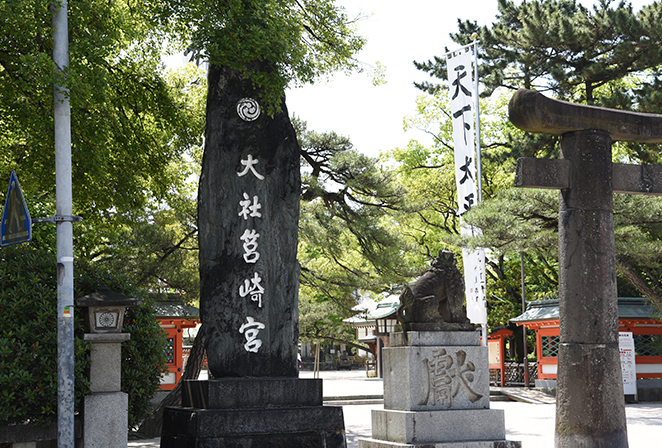
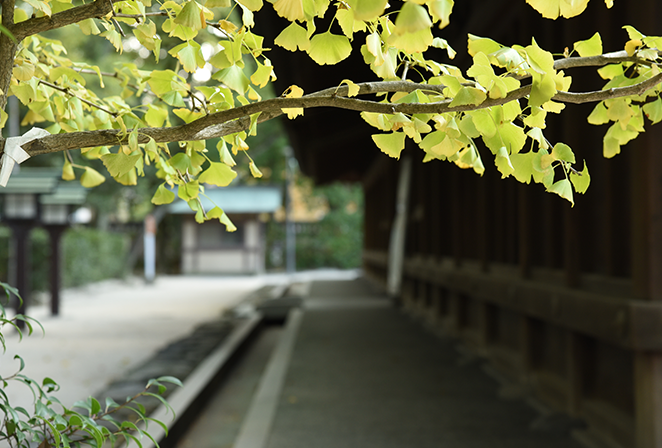
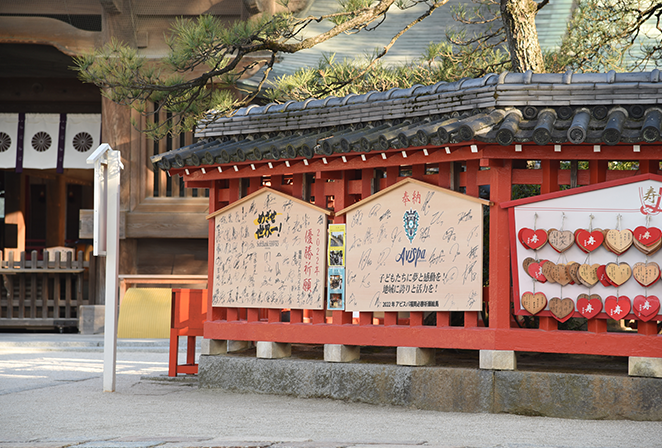
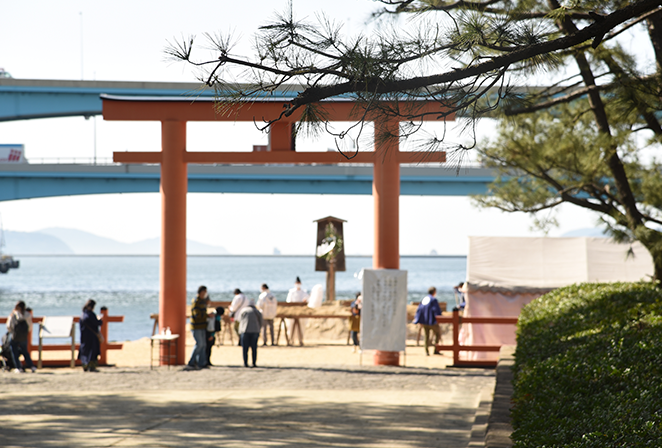
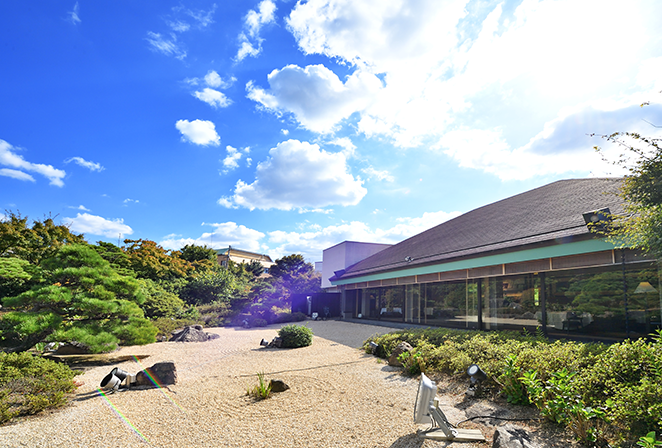
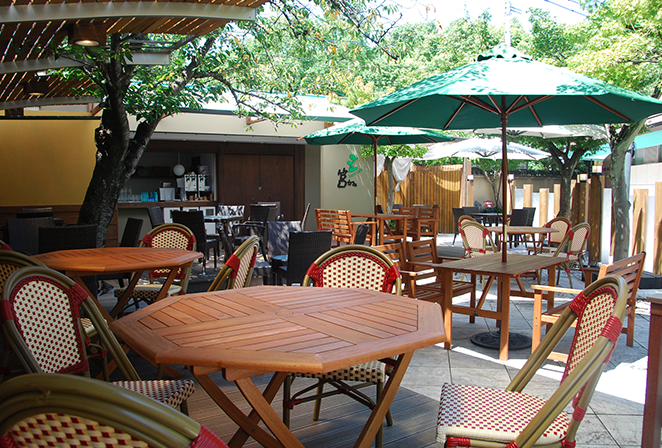
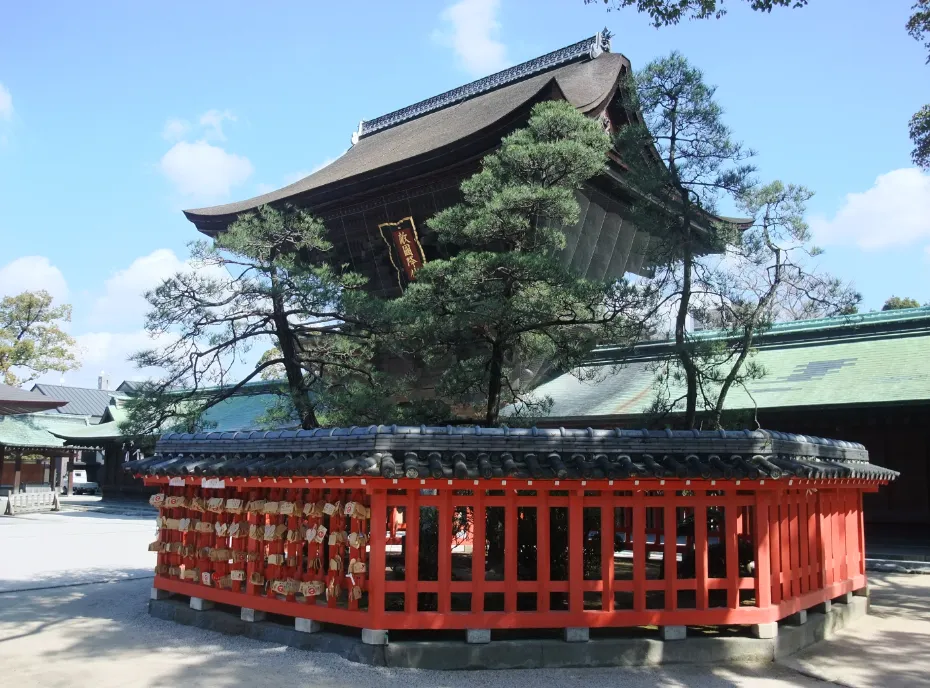
the Grounds
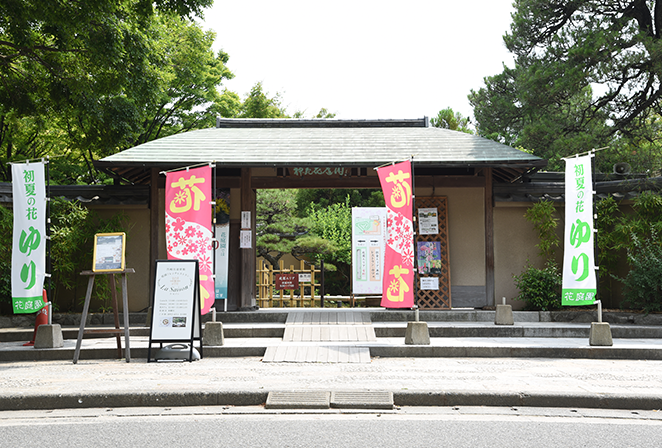
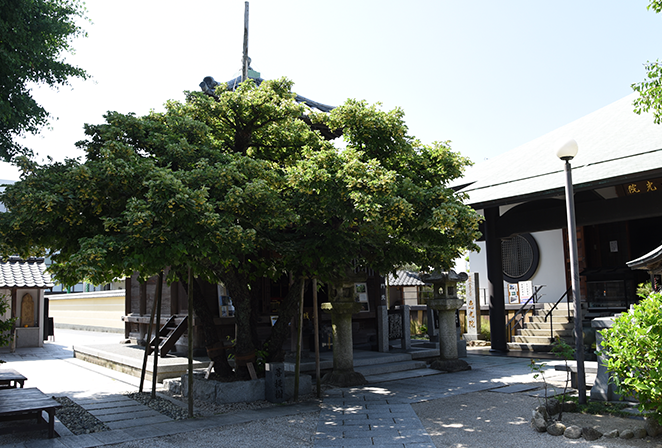
Hakozaki Shrine has many interesting
spots to explore.
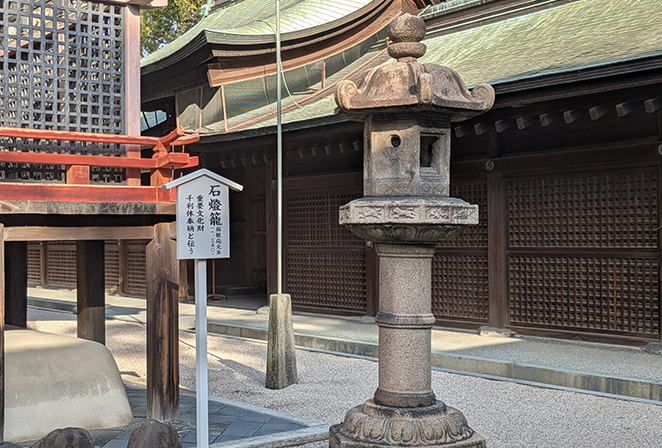
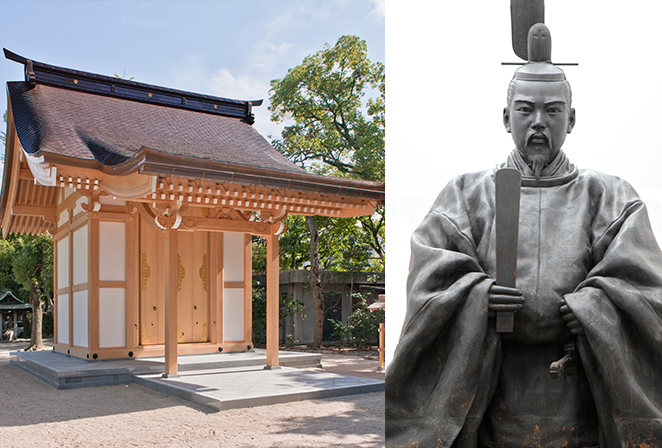
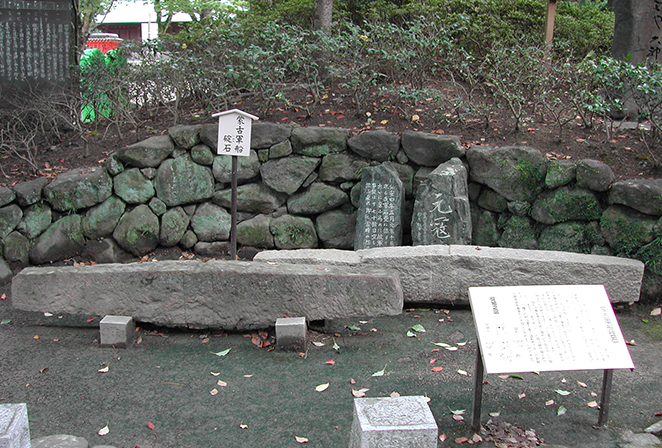
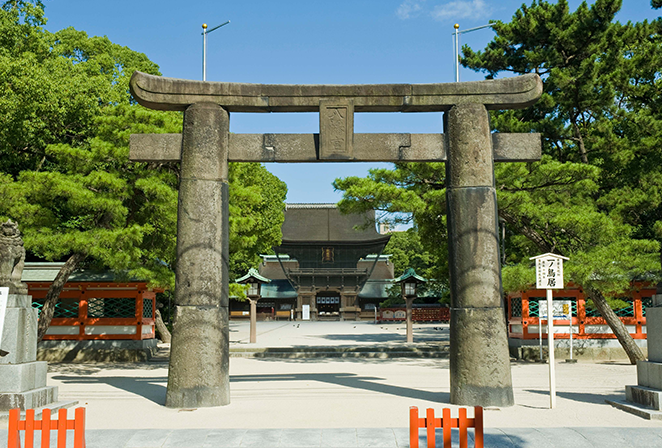
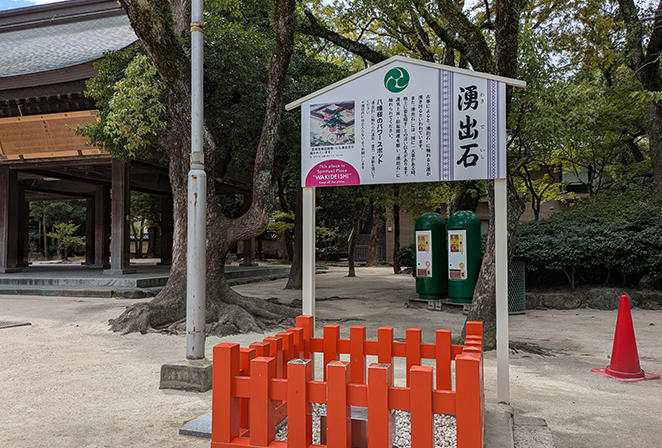
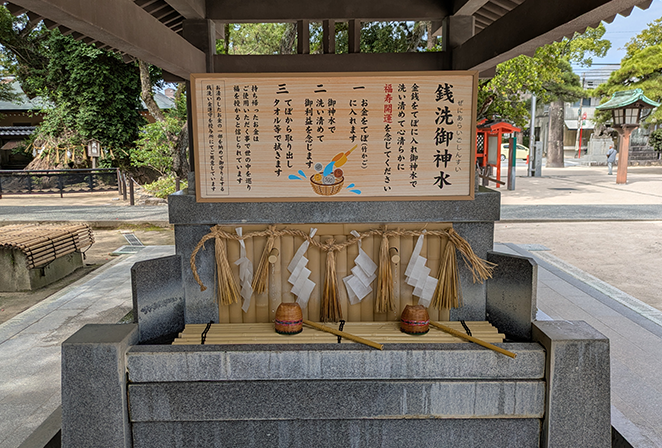
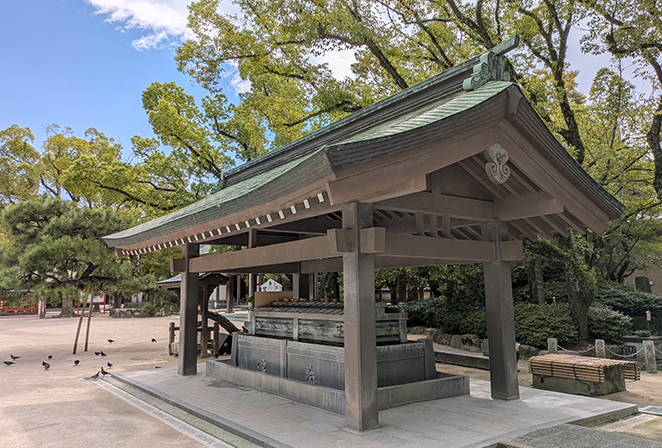
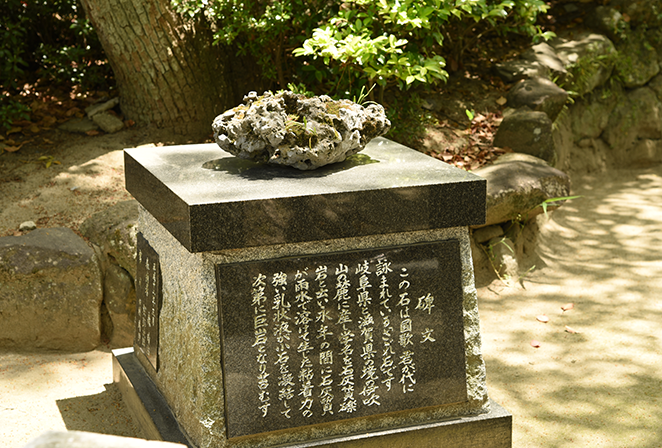
the seasons
Hakozaki Shrine offers beautiful scenery
and flowers to enjoy in every season.
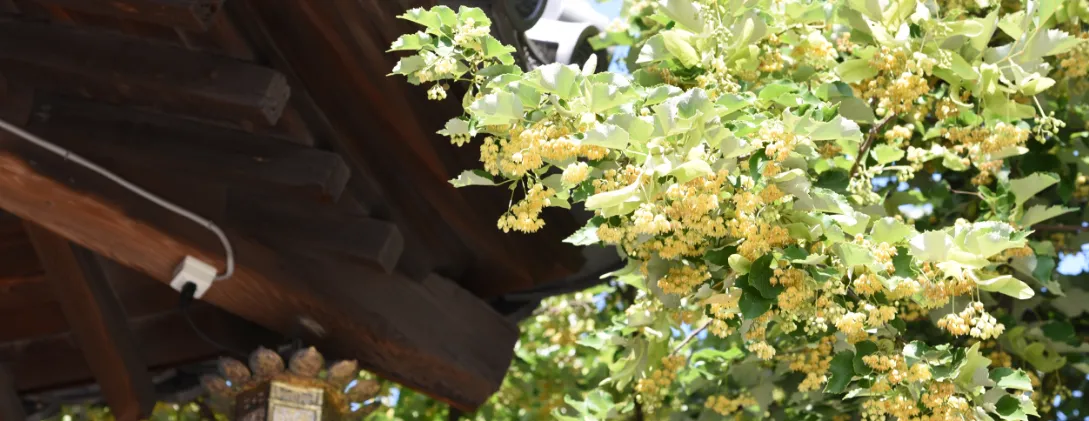
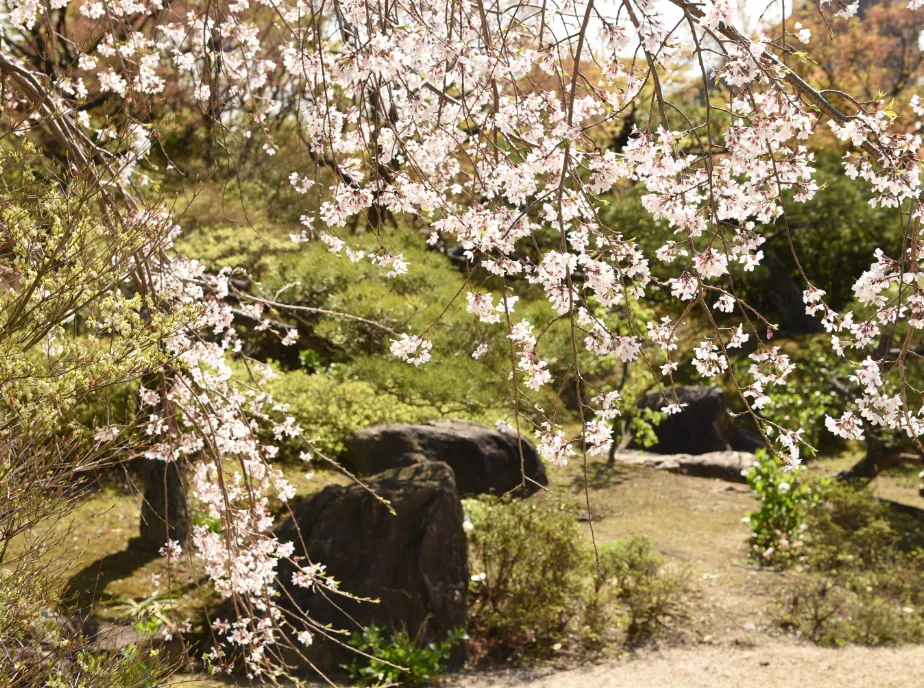
Spring spans from March to May, offering a pleasant climate.
This period marks the cherry blossom season and features vibrant local festivals, such as the Shunjishi-nichi-sai and the Satsuki Grand Festival.
| Average Temperature | March | April | May |
|---|---|---|---|
| High | 16.2℃ | 20.9℃ | 23.9℃ |
| Low | 8.2℃ | 12.1℃ | 16.1℃ |
Data for 2025.
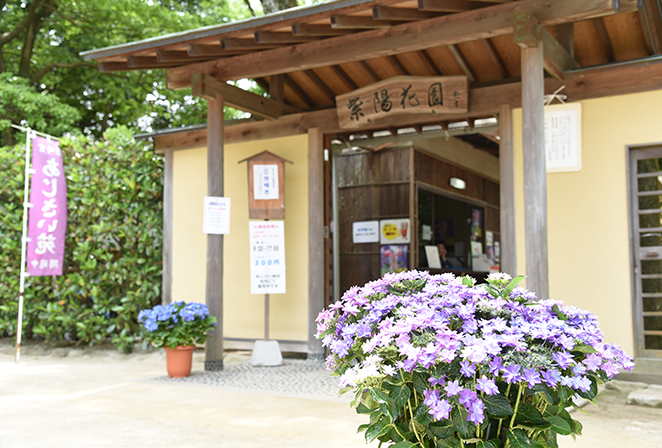
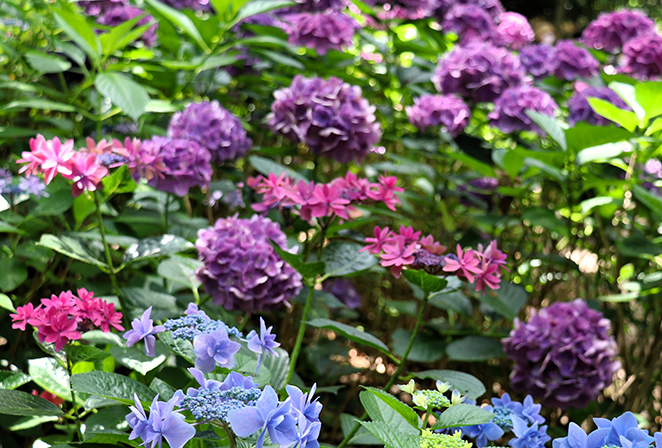
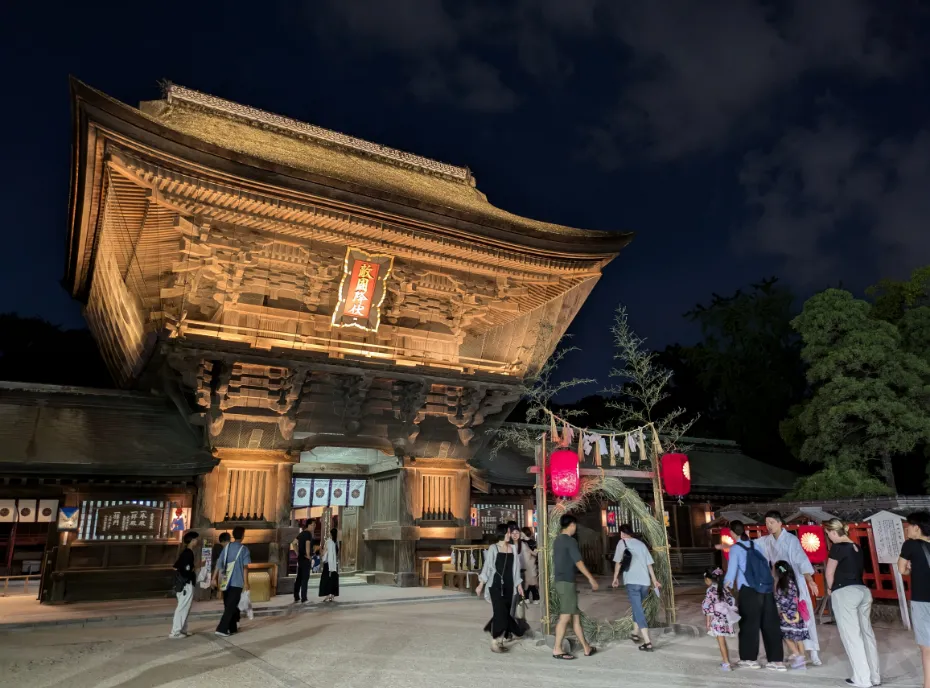
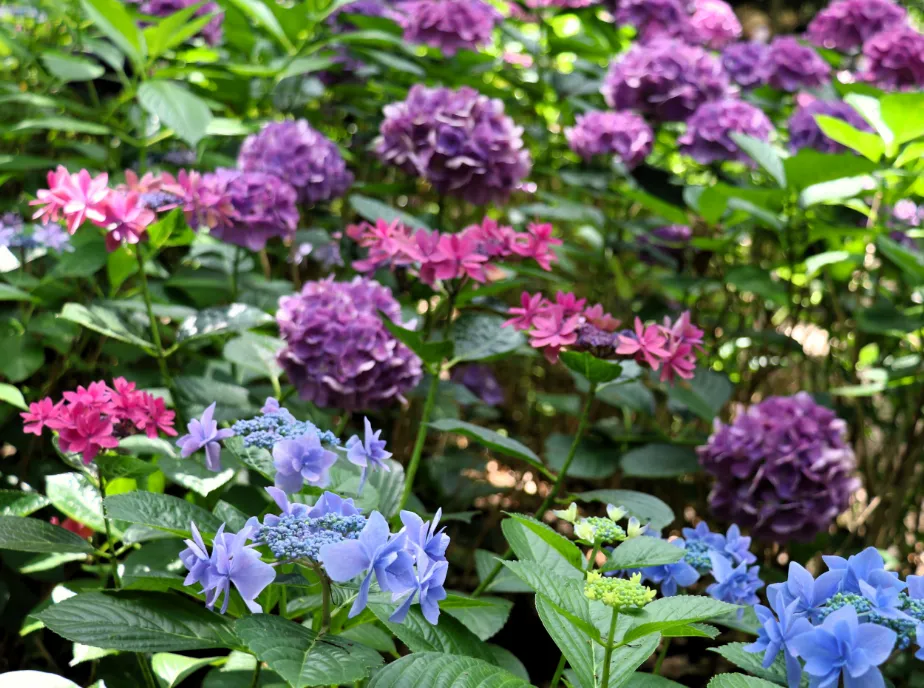
Summer spans from June to August. June marks the arrival of the rainy season, known as Tsuyu, which is also the peak season for vibrant hydrangeas. In July and August, the weather becomes significantly hotter. Historically, summer festivals such as the Tanabata (Star Festival) and Nagoshi-sai have been held during these months as a way to ward off misfortune and pray for well-being.
| Average Temperature | June | July | August |
|---|---|---|---|
| High | 28.7℃ | 34.3℃ | 34.1℃ |
| Low | 21.9℃ | 26.7℃ | 26.9℃ |
Data for 2025.
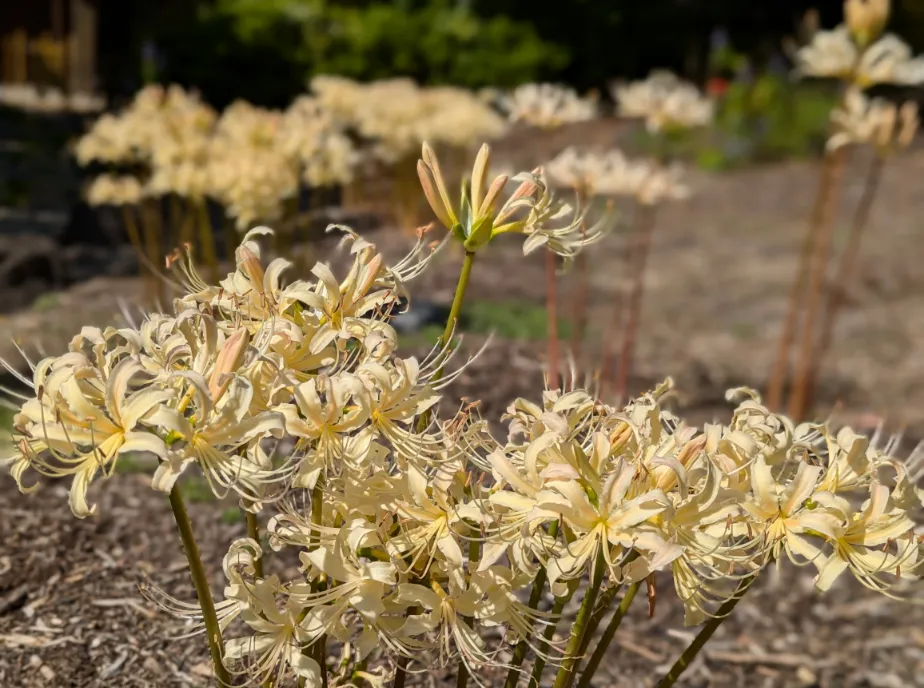
Autumn spans from September to November, offering a pleasant and comfortable climate much like the spring. During this season, visitors can enjoy the striking beauty of Lycoris in bloom.
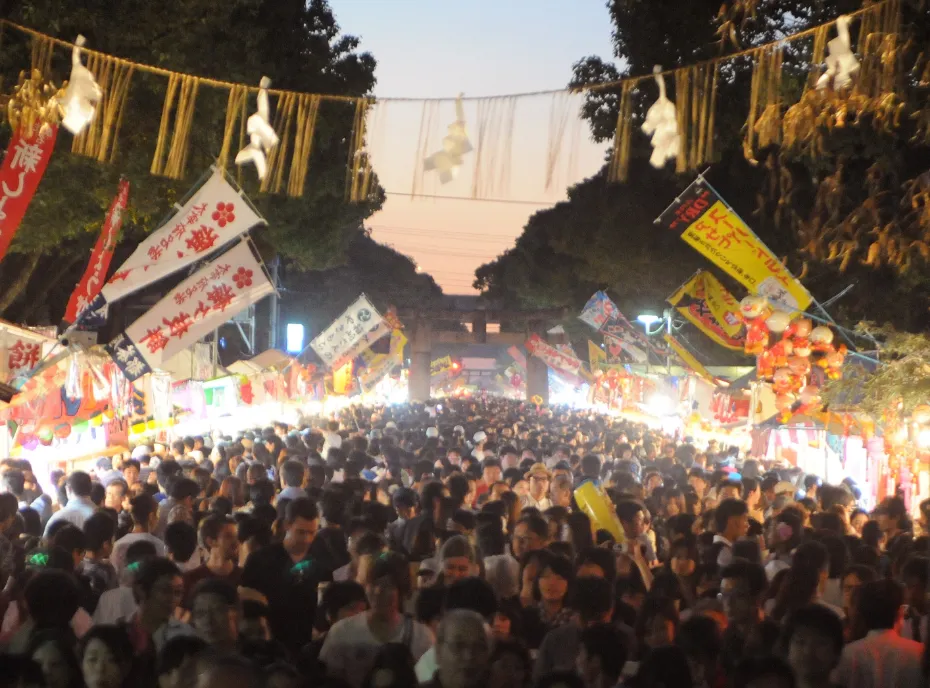
A major highlight is the “Hojoya” festival, held annually from September 12th to 18th. As one of Japan's most celebrated festivals, it attracts vast crowds every year and is a must-see event.
| Average Temperature | September | October | November |
|---|---|---|---|
| High | 31.9℃ | 26.2℃ | 19.2℃ |
| Low | 25.1℃ | 19.4℃ | 11.0℃ |
Data for 2025.
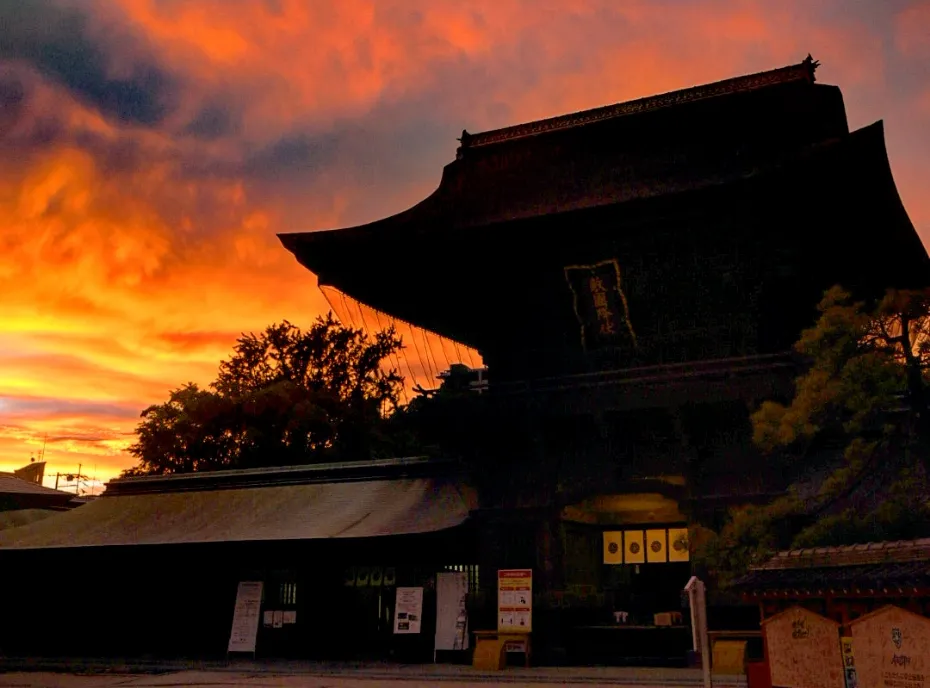
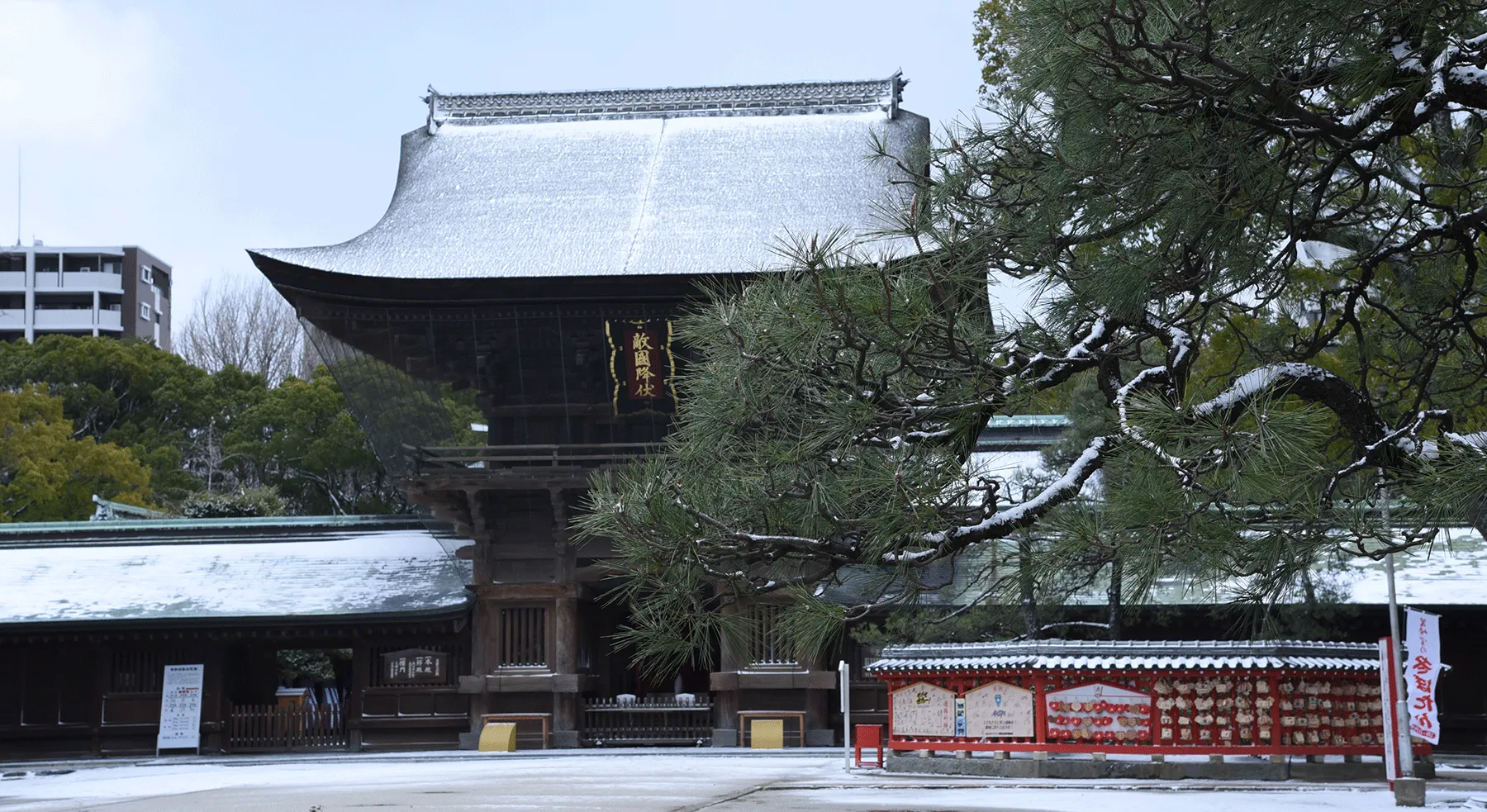
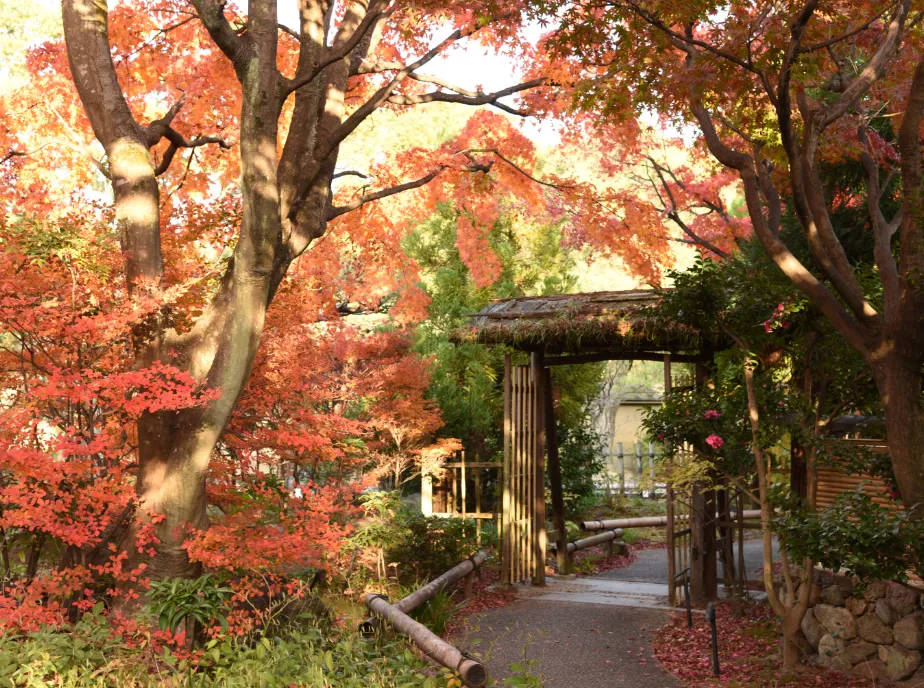
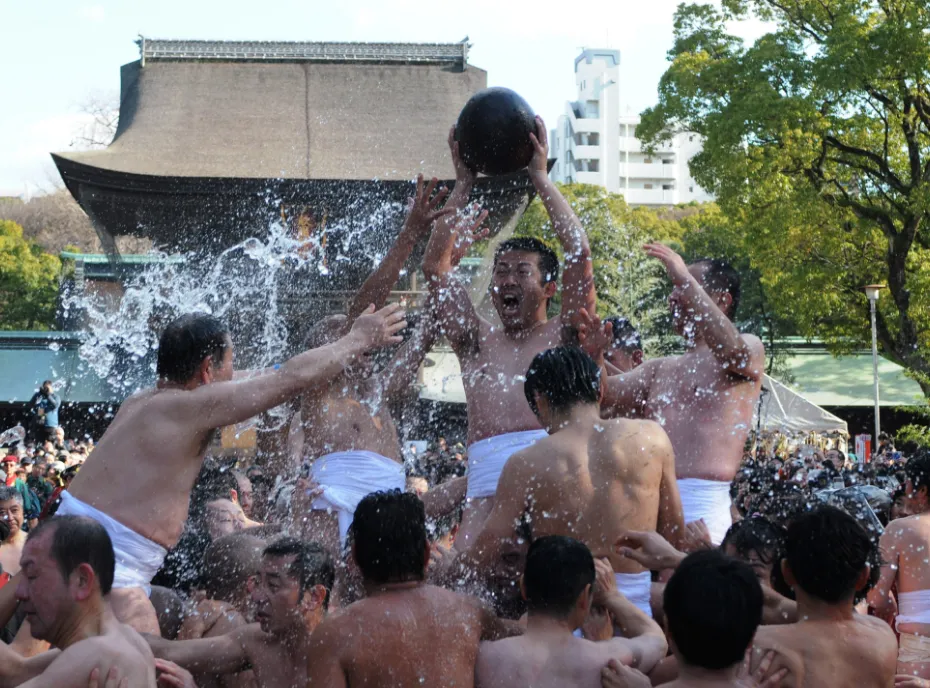
Winter lasts from December to February, bringing a crisp chill and occasional snow, though accumulation is rare—happening only once every few years. This cold weather deepens the colors of the maple leaves (Momiji & Kaede), offering beautiful late-season foliage. On January 3rd, the shrine hosts the famous Tamatori-sai Festival (Tamaseseri). This high-energy, iconic event draws massive crowds every year, filling the grounds with incredible spirit as participants compete for the sacred ball.
| Average Temperature | December | January | February |
|---|---|---|---|
| High | 15.6℃ | 10.4℃ | 9.3℃ |
| Low | 7.5℃ | 3.8℃ | 2.6℃ |
Data for 2025.
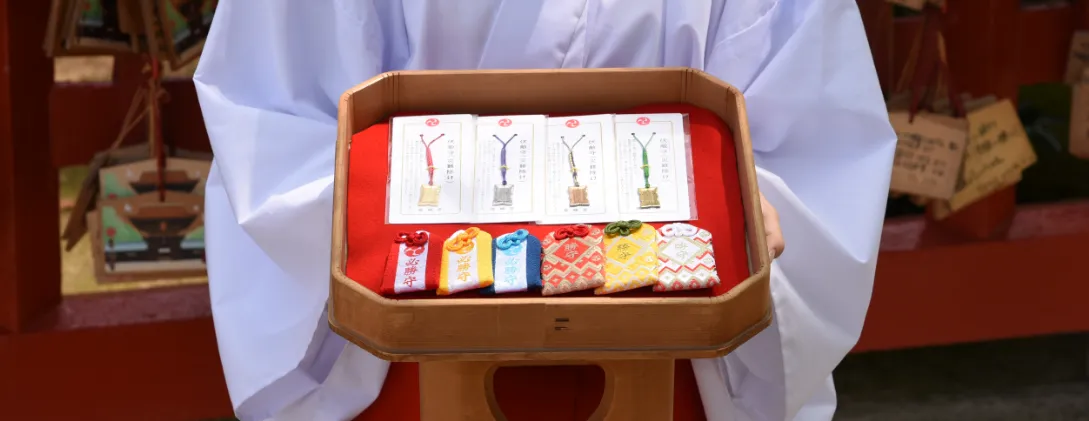
An omamori is a small protective amulet that you can get at a Shinto shrine or Buddhist temple.
People carry it with them so their wishes may come true, and it is believed to bring good luck or protection in a specific area of life—such as safety, health, love, or success.
Omamori come in many styles, including small pouch types, keychain types, and bracelet types.
Each omamori is designed for a different purpose, and they come in a wide variety of colors and designs.
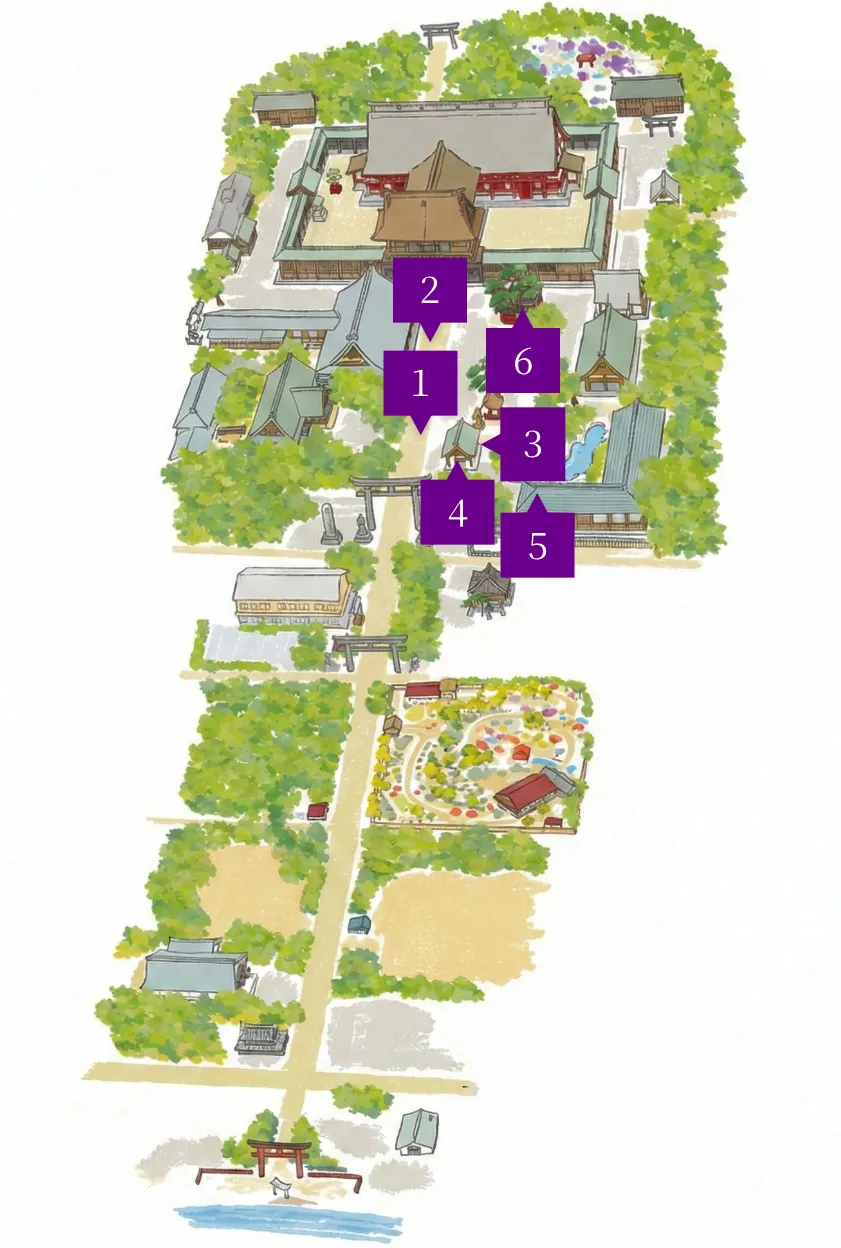
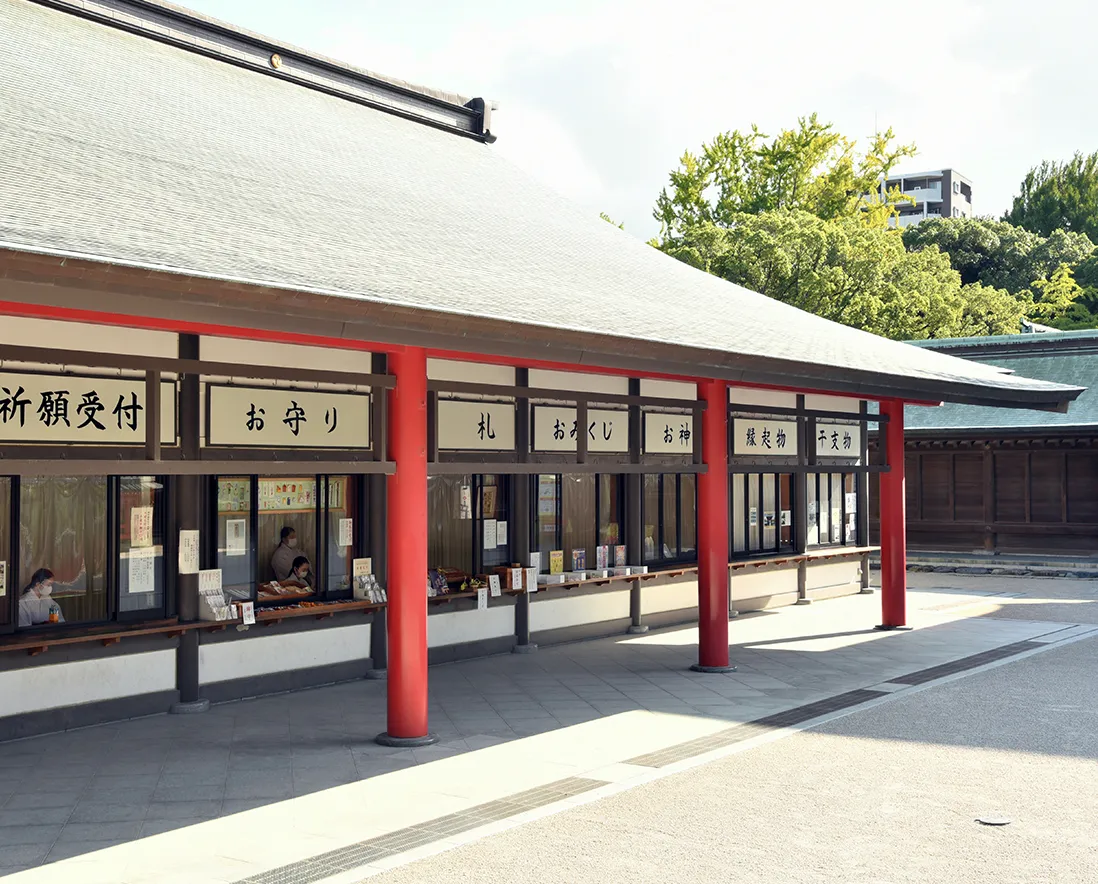
You can purchase them at the shrine's reception window inside the grounds.
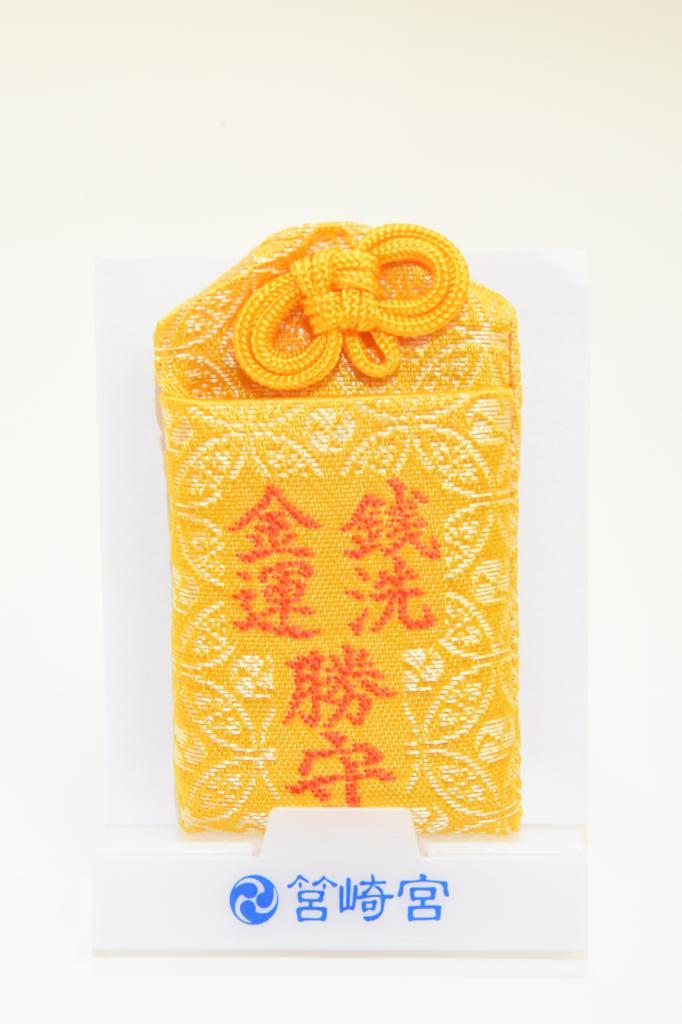
Amulet for Financial Prosperity (Coin-Washing)
800 JPY
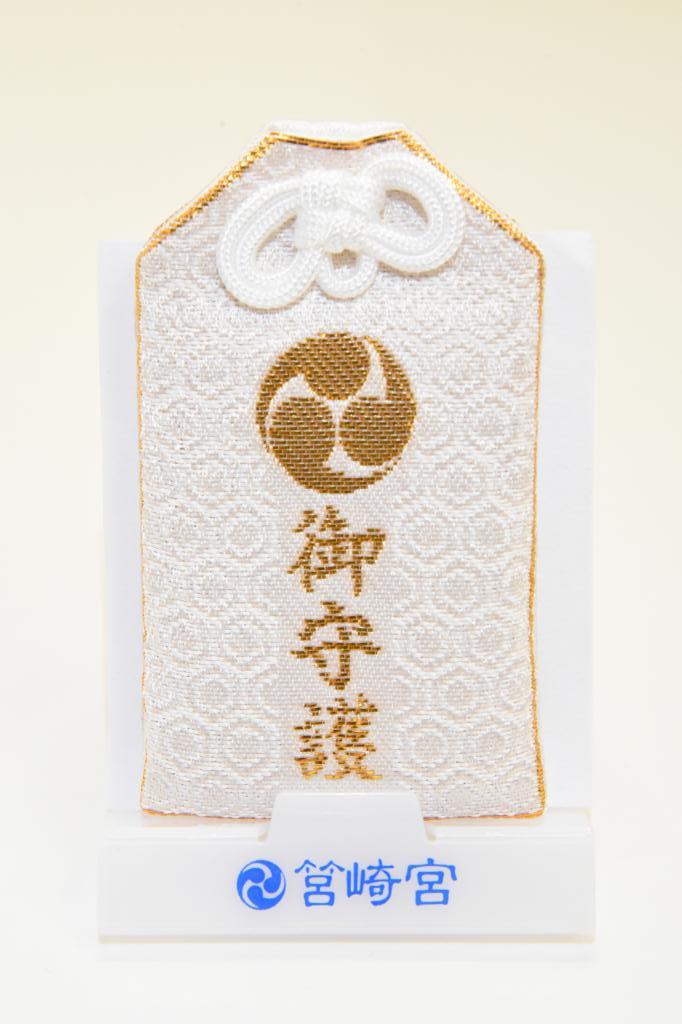
Amulet for Health & Physical Well-being
800 JPY
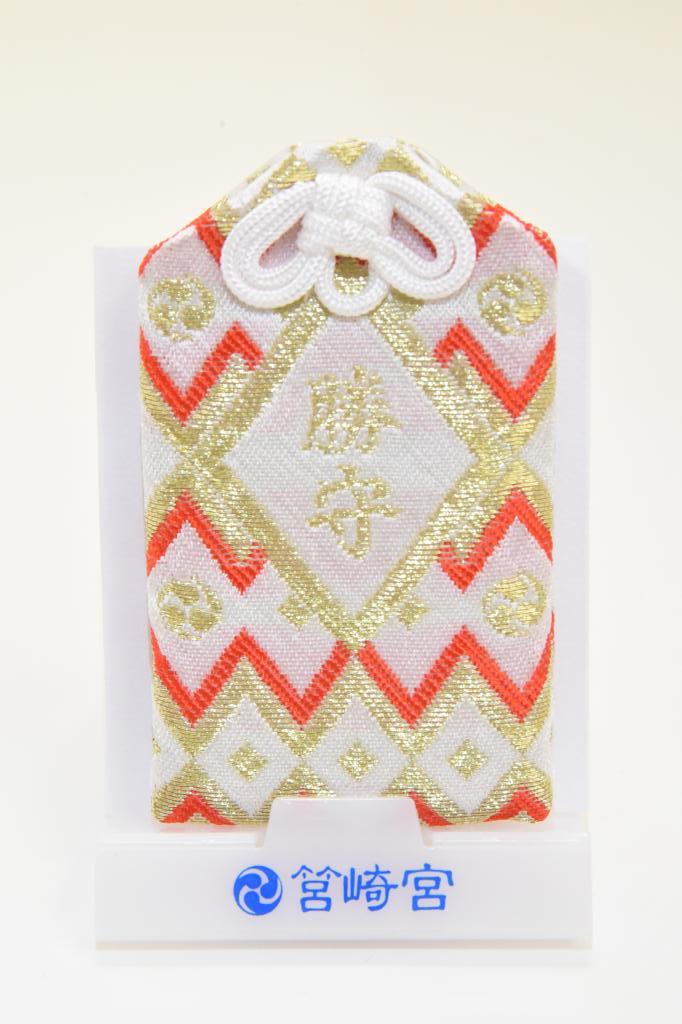
Amulet for Success & Victory
800 JPY
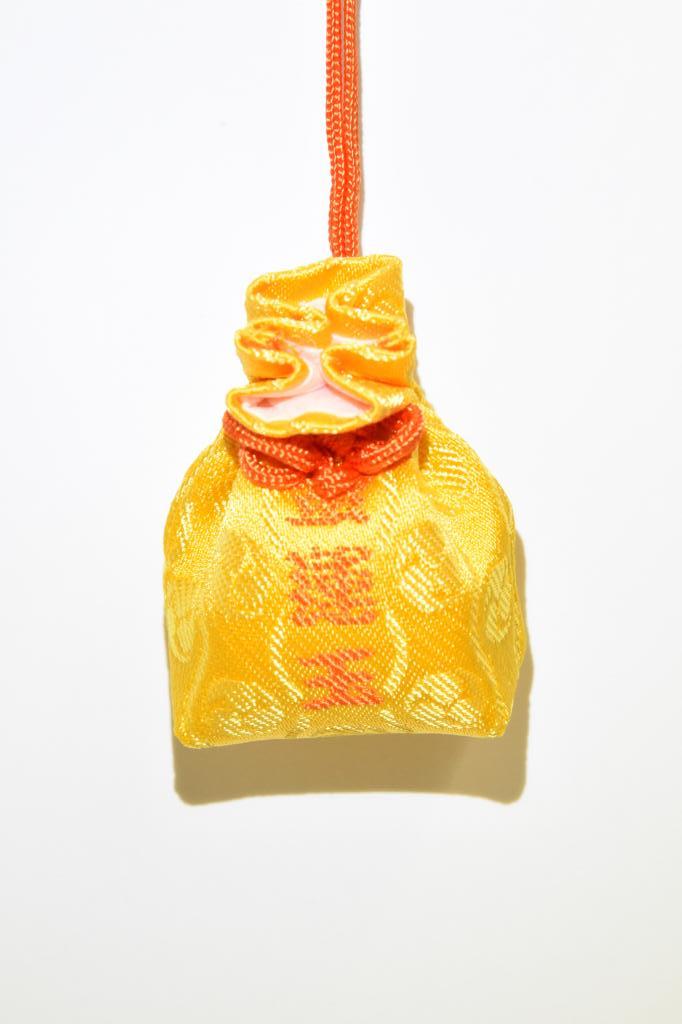
Golden Orb for Wealth & Luck
1,000 JPY
An ofuda is like a blessing for your home.
It carries the shrine's sacred power and is meant to protect you and your family.
You take it home and keep it in a respectful place.
You can purchase them at the shrine's reception window inside the grounds.
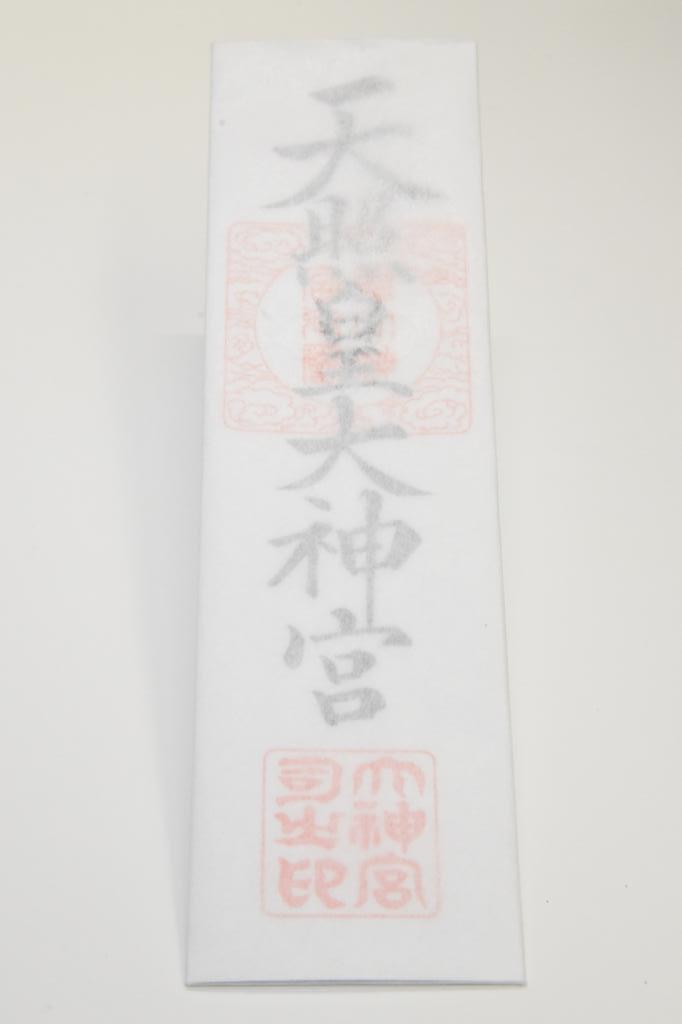
Grand Talisman of Ise Jingu
1,500 JPY
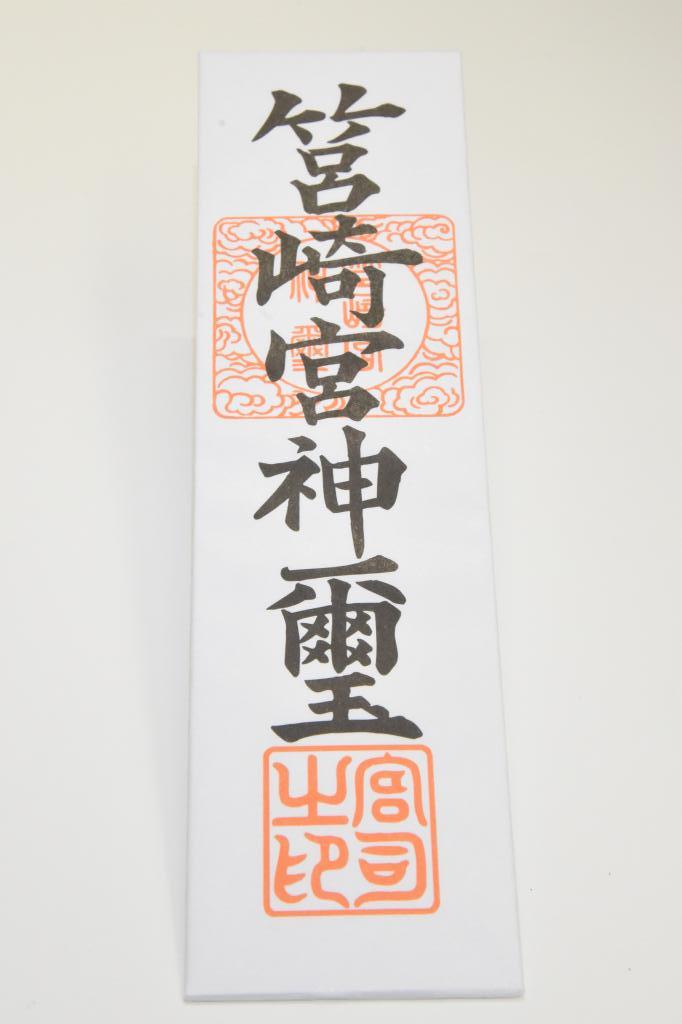
Grand Talisman of Hakozakigu
1,200 JPY
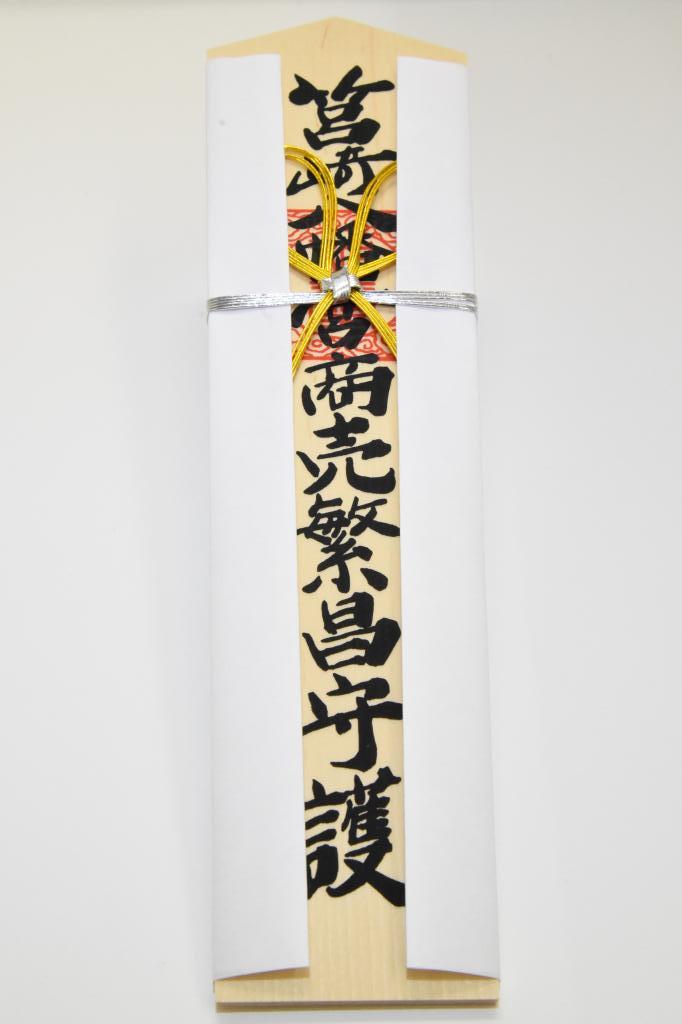
Wooden Talisman for Business Prosperity
2,000 JPY
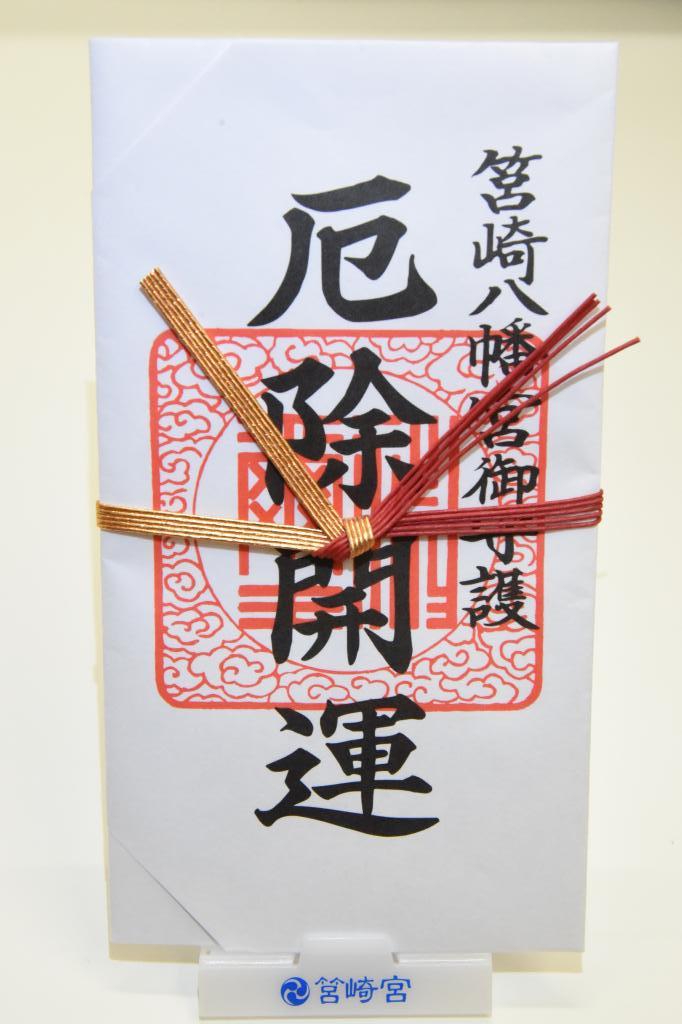
Amulet Cord for Warding Off Evil & Good Fortune
1,000 JPY
Engimono are traditional Japanese good-luck charms that are often sold at shrines and temples.
They are believed to bring happiness, success, or protection, depending on the type.
You can find a wide variety of engimono, such as lucky figurines, decorative items, or charms for specific wishes.
You can purchase them at the shrine's reception window inside the grounds.
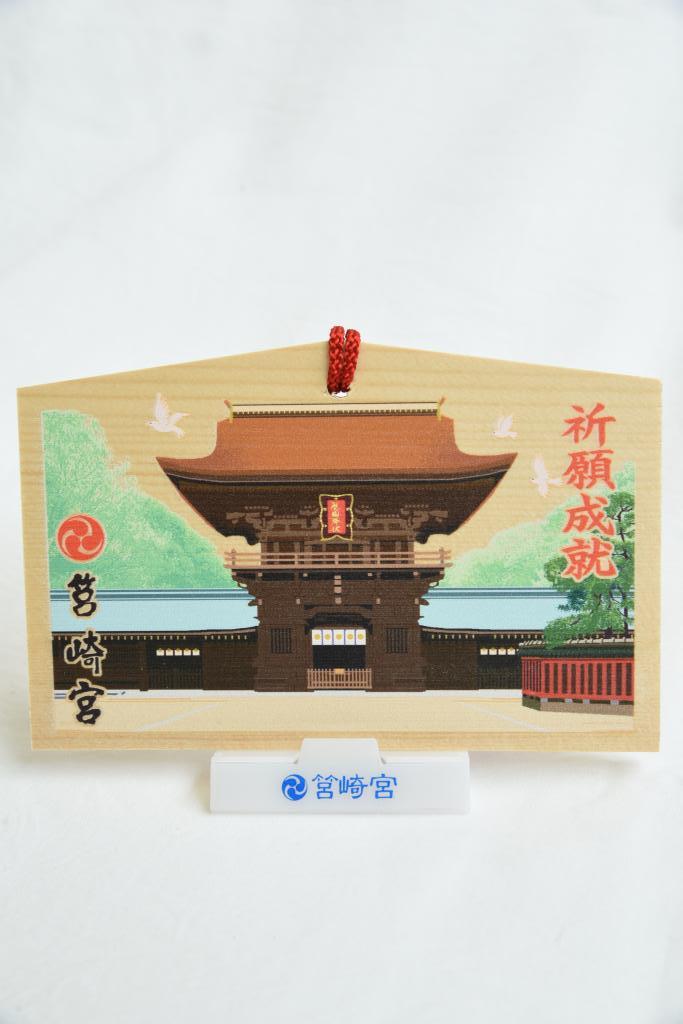
Votive Tablet (Ema)
500 JPY
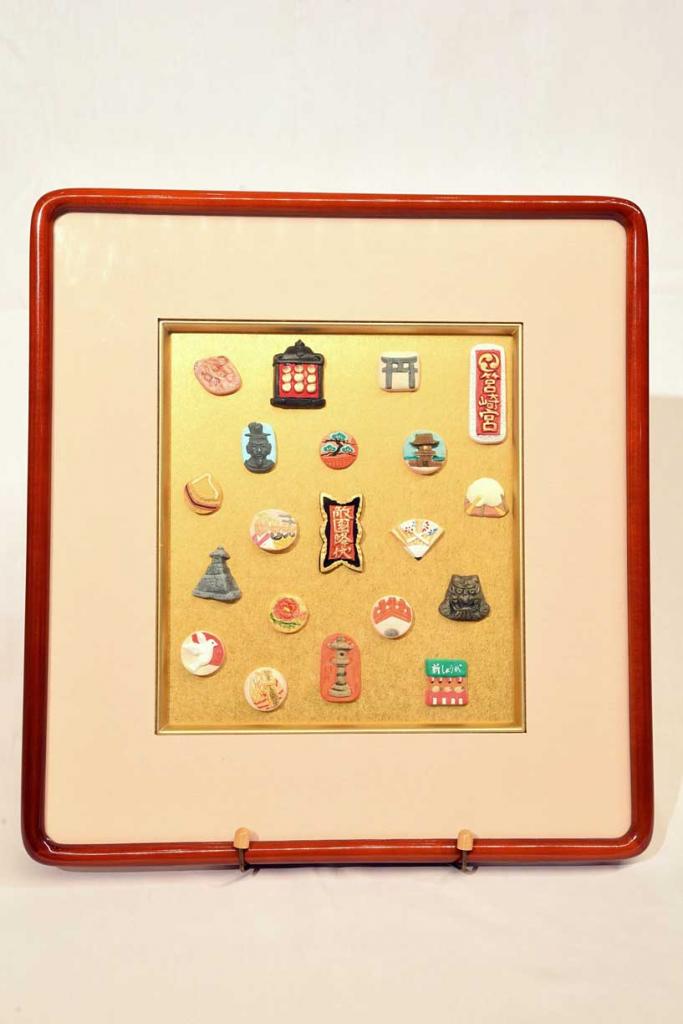
Framed Hand-Painted Ceramic Lucky Charms (Ohajiki)
3,000 JPY
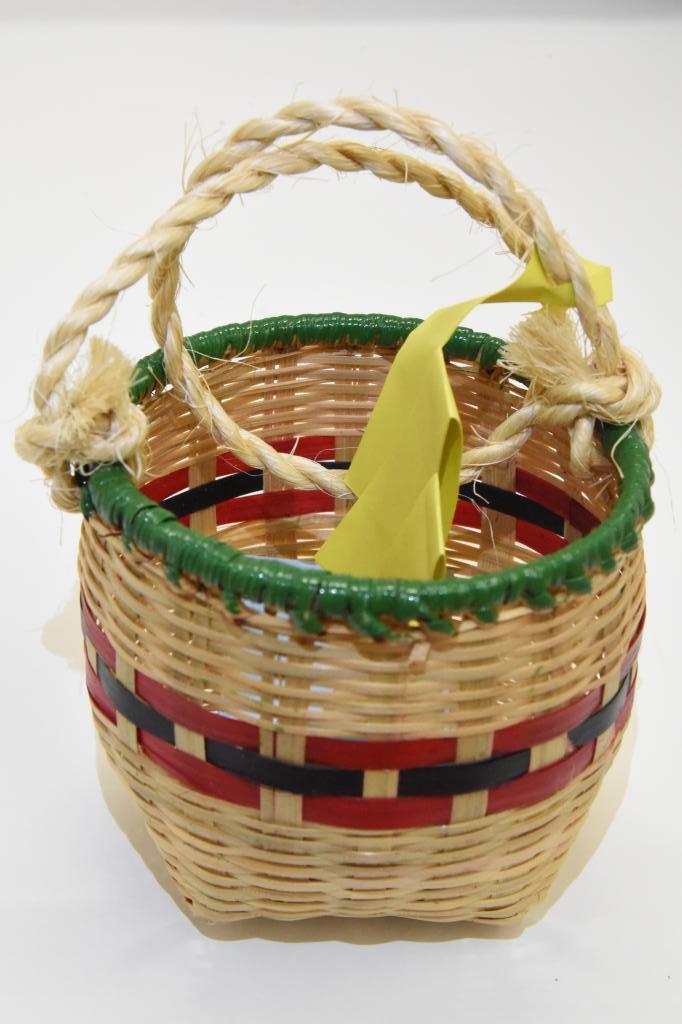
Sacred Sand Basket (Oshioi Tebo)
1,200 JPY
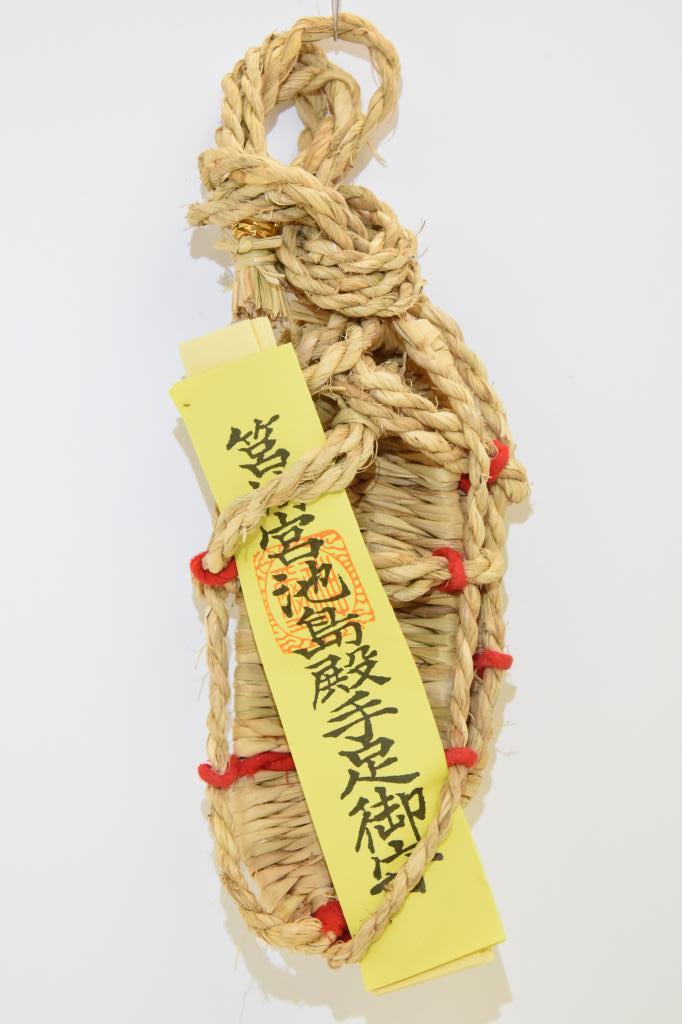
Sacred Straw Sandals (Waraji)
1,500 JPY
Goshuin: Your Spiritual Travel Log
A Goshuin is a traditional hand-stamped and handwritten seal given to visitors at Japanese shrines and temples. It serves as a sacred proof of your visit and a beautiful record of your travels.
・Handcrafted: Every Goshuin is unique and written on the spot.
・Sacred Memento: It represents a spiritual connection to the shrine.
・Exclusive Book: We offer original Goshuin-cho (dedicated stamp books) exclusive to Hakozaki-gu.
Where to go: Please visit the shrine reception desk on the grounds to purchase a book or request your seal.
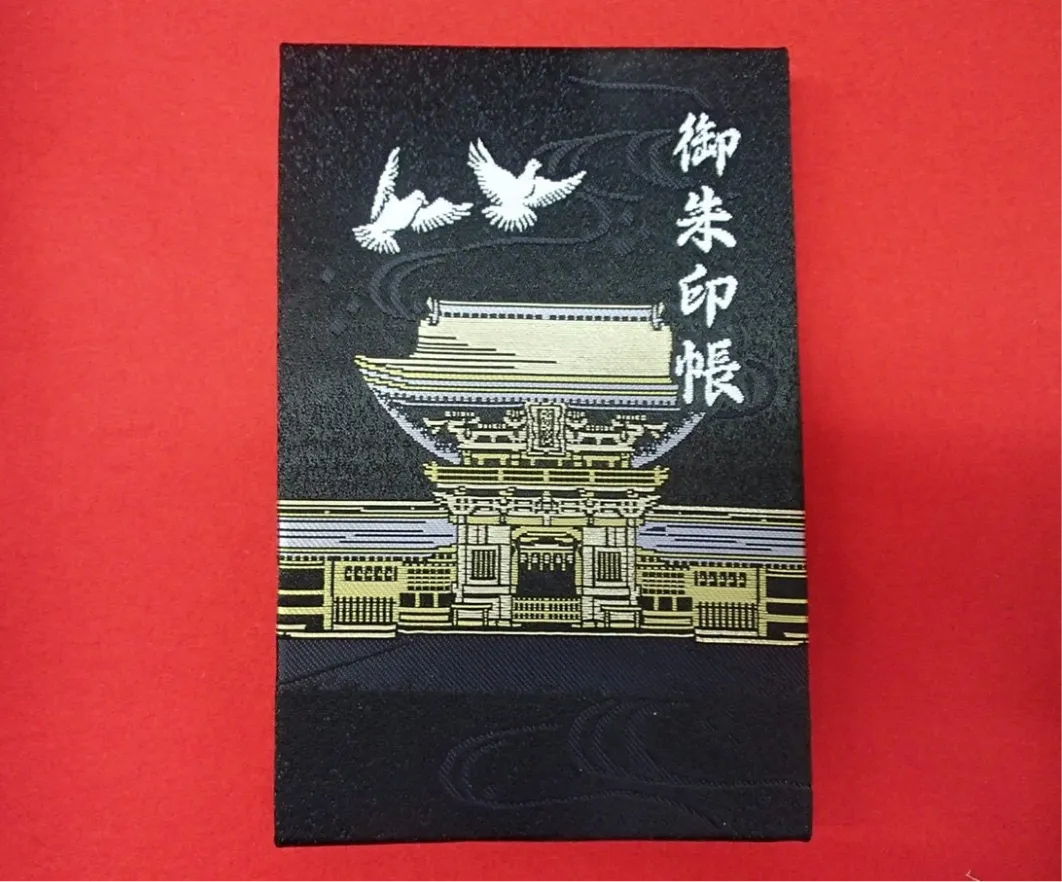
GoshuinCho
2,000 JPY
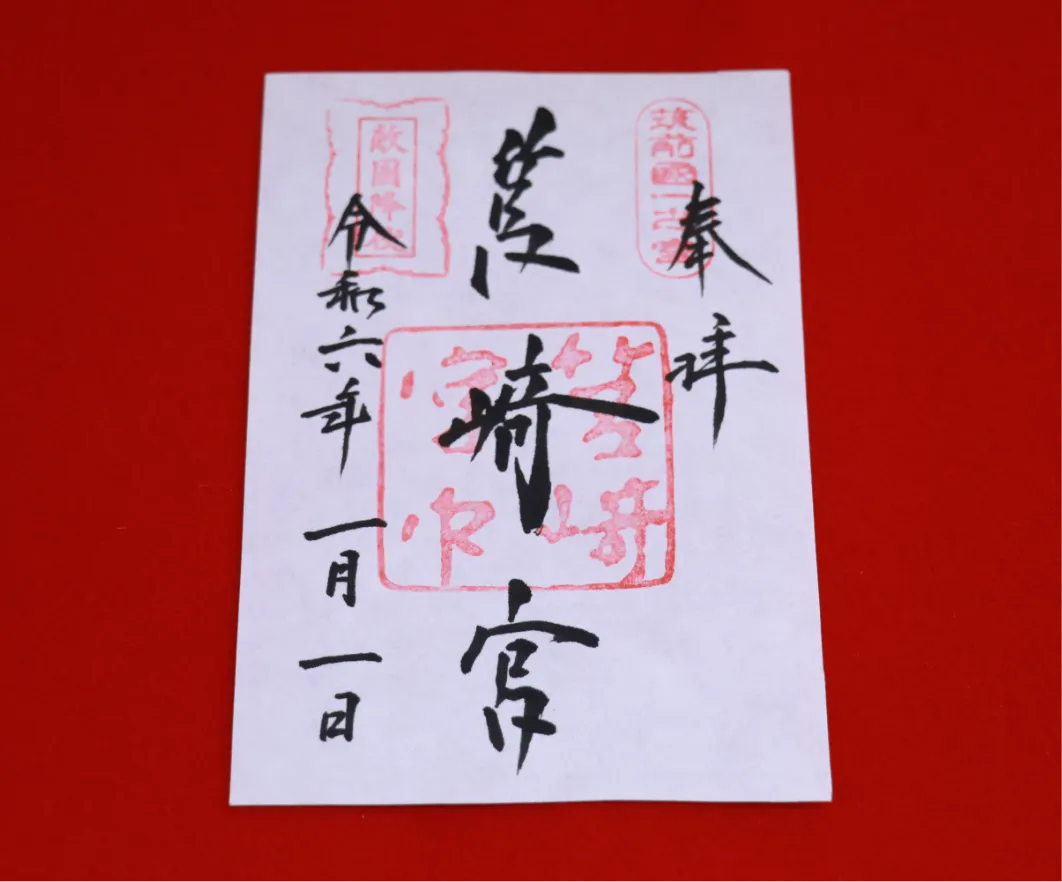
Goshuin
500 JPY
Festival
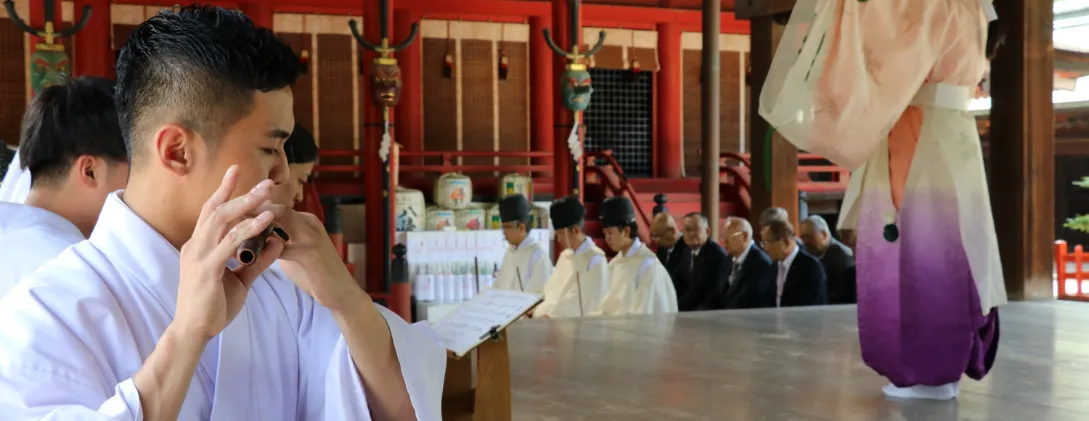
Hakozaki Shrine hosts a wide variety of festivals and rituals throughout the year. Among these, the Tamatori Festival (also known as Tamaseseri) held on January 3rd, and the Hojo-e Festival held from September 12th to 18th, are particularly renowned nationwide. These historic events attract vast numbers of visitors each year, filling the shrine grounds with vibrant energy and devotion.
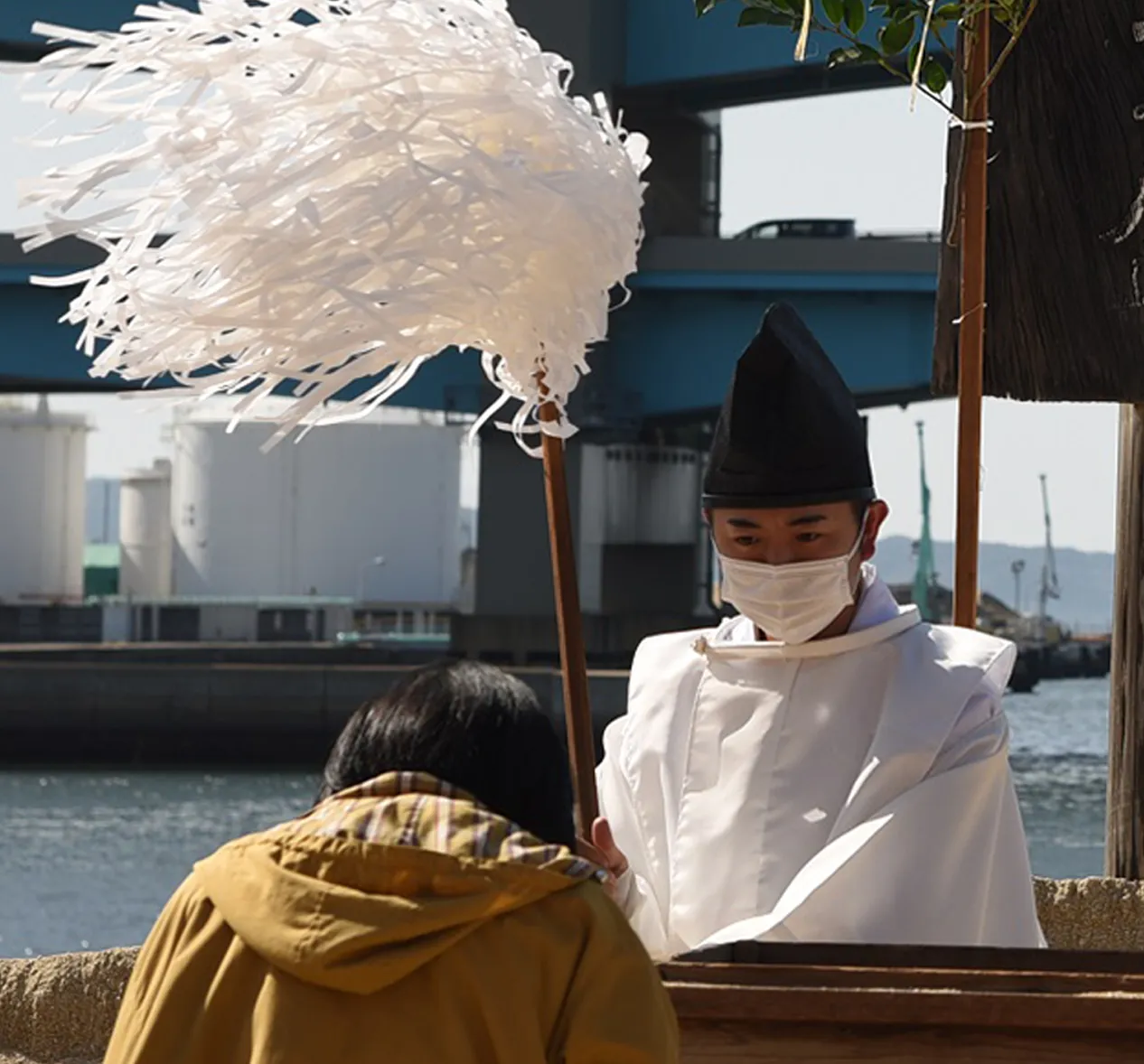
Overview
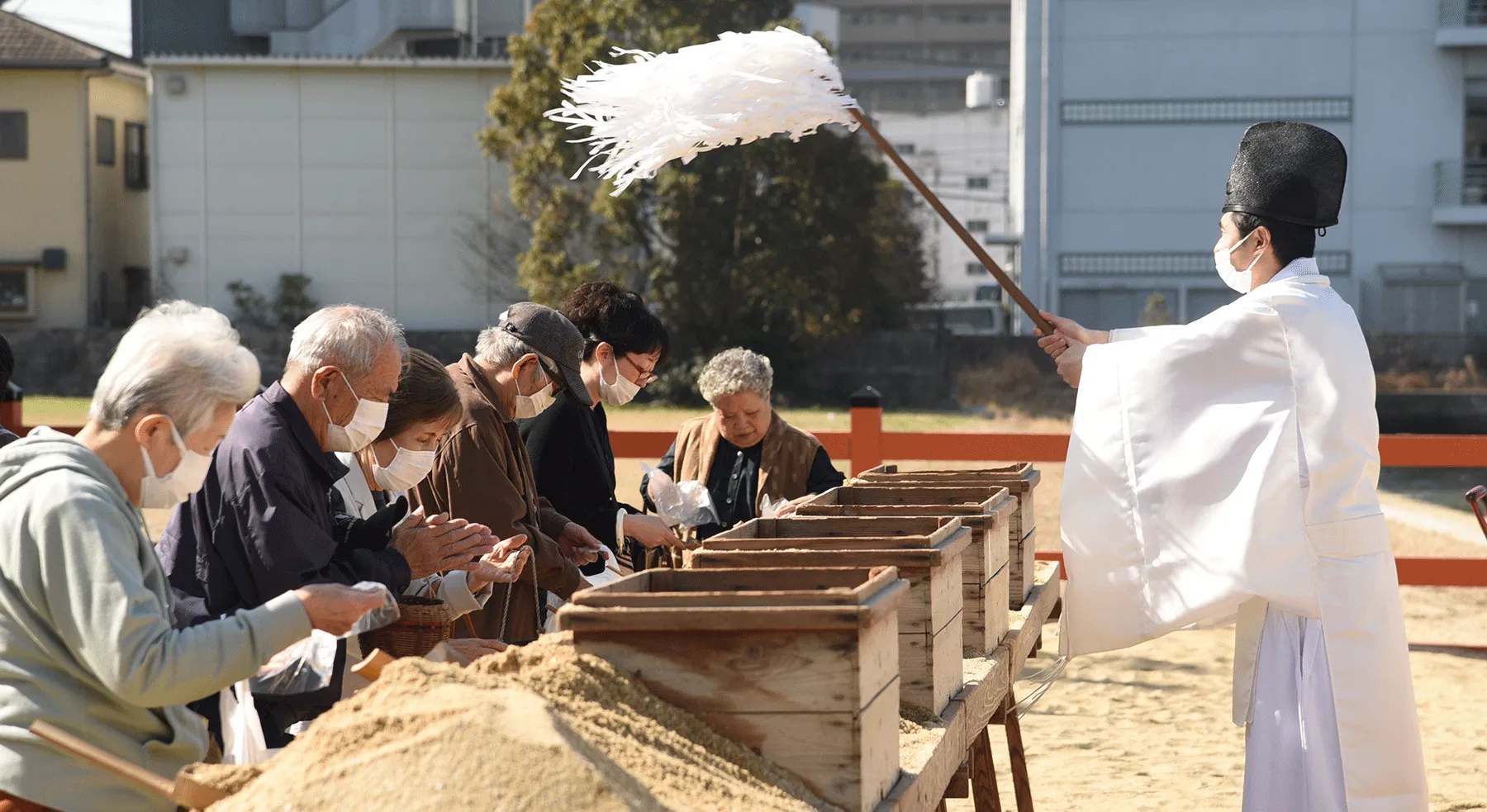
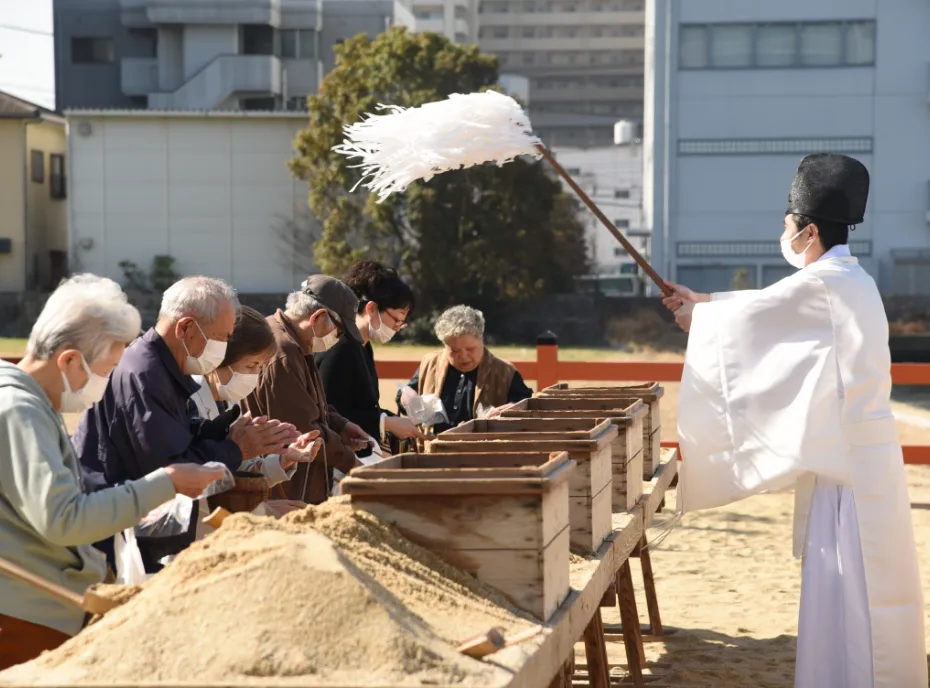
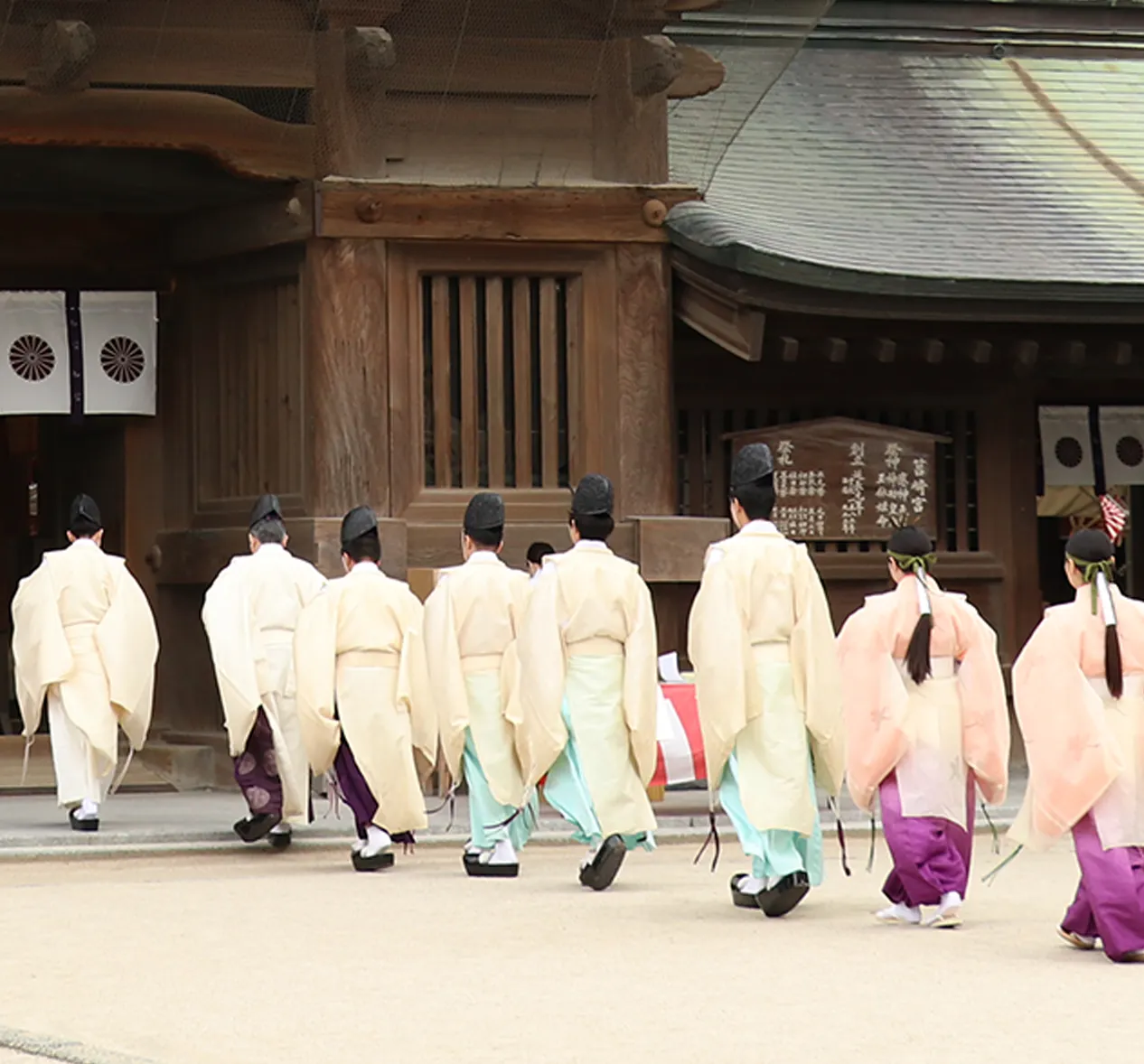
Sha-nichi-sai is a traditional seasonal marker held on the day of Tsuchinoe nearest the spring equinox. This festival is dedicated to the deity of the earth, where visitors pray for bountiful harvests, the safety of their families, and protection from misfortune.
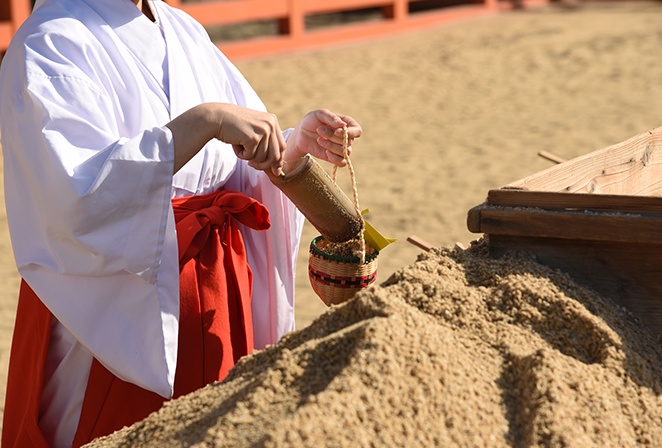
The “Oshioi-tori” Tradition: The highlight of this day is a ritual called Oshioi-tori, in which worshippers visit Hakozaki Beach to collect “Oshioi”—sacred sand from the shrine's holy grounds.
Worshippers take this sand home to use for purification and to invite good fortune.
The sand collected on this specific day is believed to be particularly potent, drawing large crowds of visitors to the beach.
Overview
The Satsuki Grand Festival features a series of significant rituals centered around the ocean and world peace.
May 27: Japan Sea Naval Battle Memorial Day On this day, we hold a commemorative ceremony to honor the historical legacy of the Battle of the Sea of Japan. The ritual is dedicated to praying for the continued prosperity of Japan and for world peace, while also promoting a deeper appreciation for the importance of the sea.
A solemn memorial service is also held to offer prayers for the spirits of those who lost their lives in the battle. Furthermore, we pay tribute to the "maritime martyrs"—those who tragically sacrificed their lives behind the scenes of the rapid development of Japan’s industry, trade, and fishing.
May 28: Ujiko Keiro-sai (Respect for the Elderly Festival) On the second day of the festival, a special ceremony is held for the Ujiko (local shrine parishioners). This ritual is dedicated to honoring the elderly of our community, praying for their continued health and longevity.
Overview
Ikejima-dono is enshrined as a guardian deity for healing legs and arms. The name originates from a pond (ike) and island (jima) that once existed on the shrine grounds.
Miniature Straw Sandals (Waraji): Worshippers seeking recovery for their limbs receive a pair of miniature straw sandals at the shrine. After praying, they take the sandals home to continue their devotion. Once healed, it is tradition to return to the shrine and offer the sandals to the deity as a gesture of gratitude.
Overview
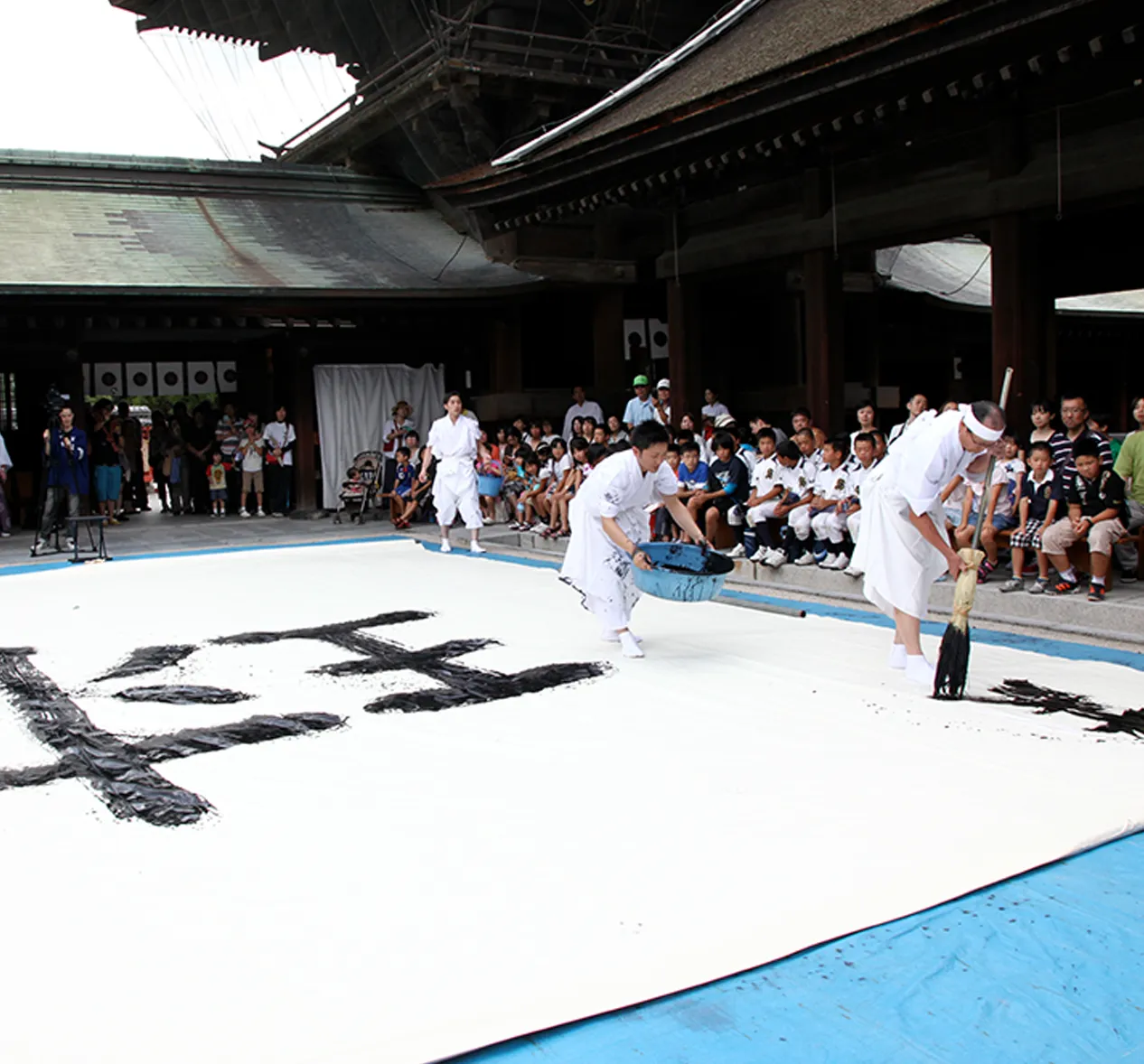
This unique Shinto ritual features a grand calligraphy performance. Local dignitaries use a massive brush—approximately 3 meters long and weighing 8 kg—to write powerful characters on washi paper larger than 30 tatami mats.
Origin & Purpose The festival honors the era of Emperor Ojin, a time when cultural exchange with the Asian continent flourished and new technologies were introduced to Japan.
In celebration of this heritage, the calligraphy is offered to the deity to pray for the academic success of children, the mastery of arts and writing, and the continued cultural prosperity of Japan and the Hakata region.
Overview
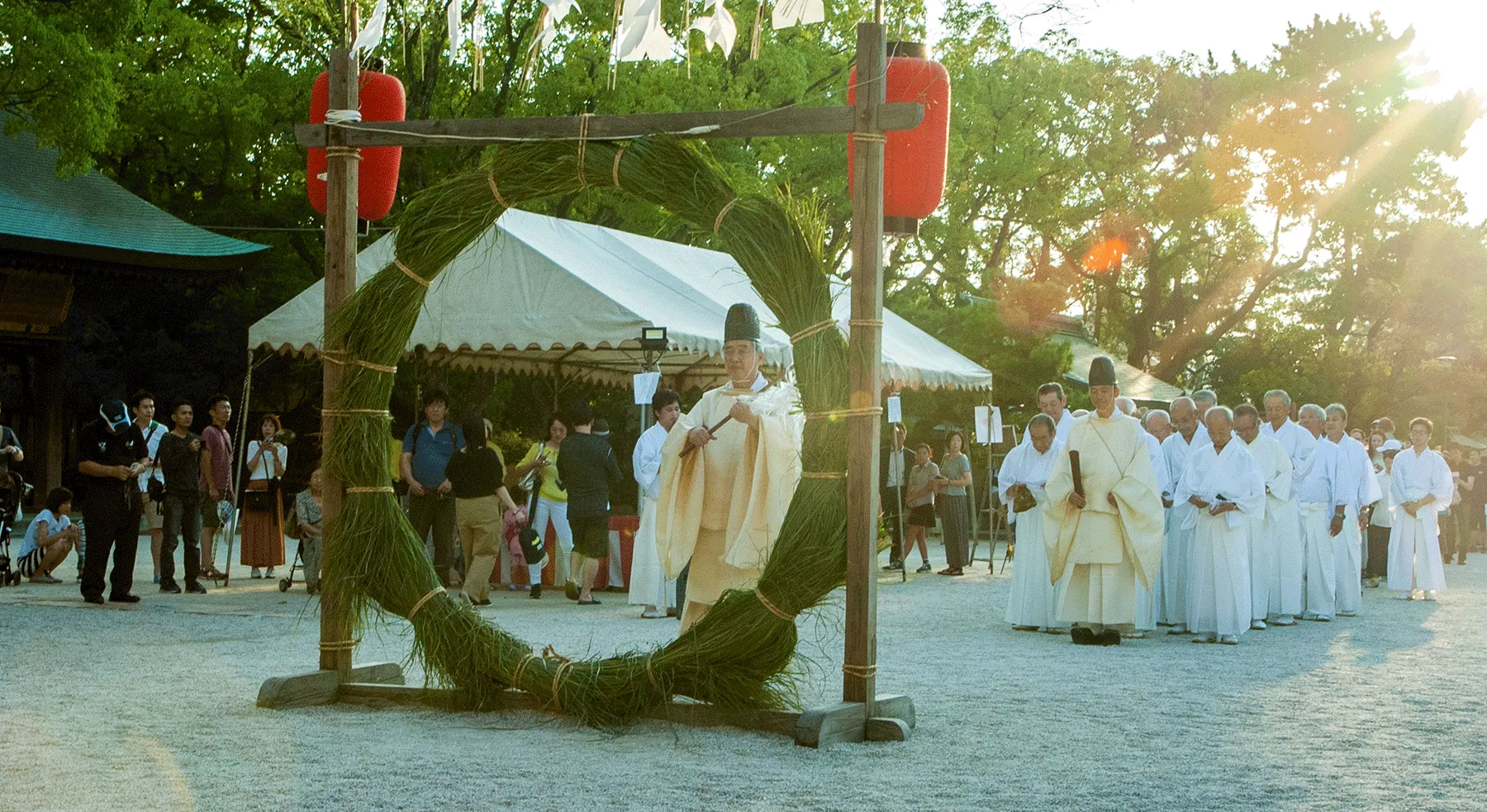
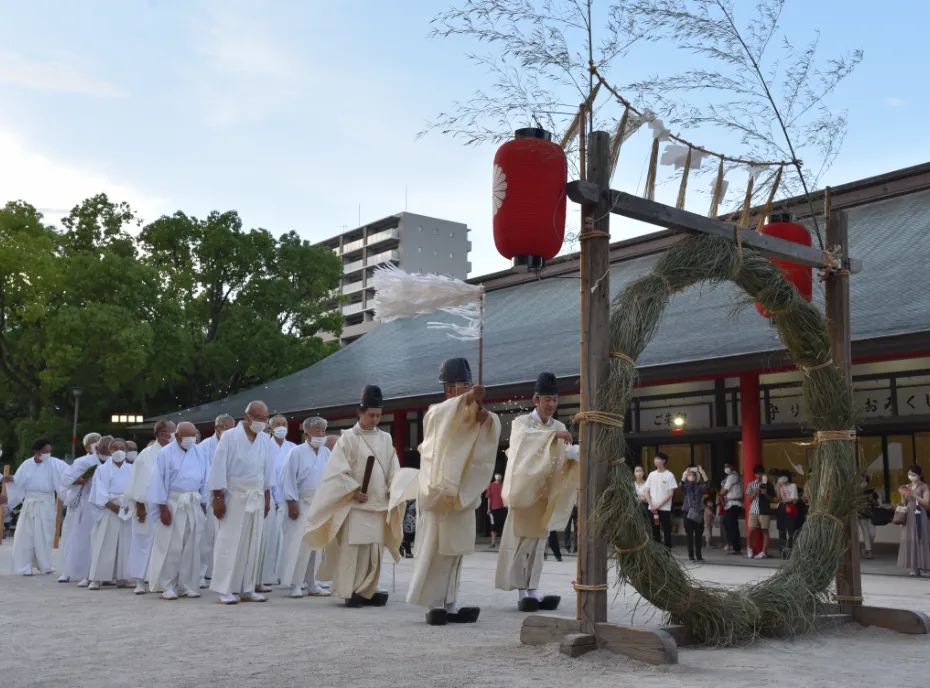
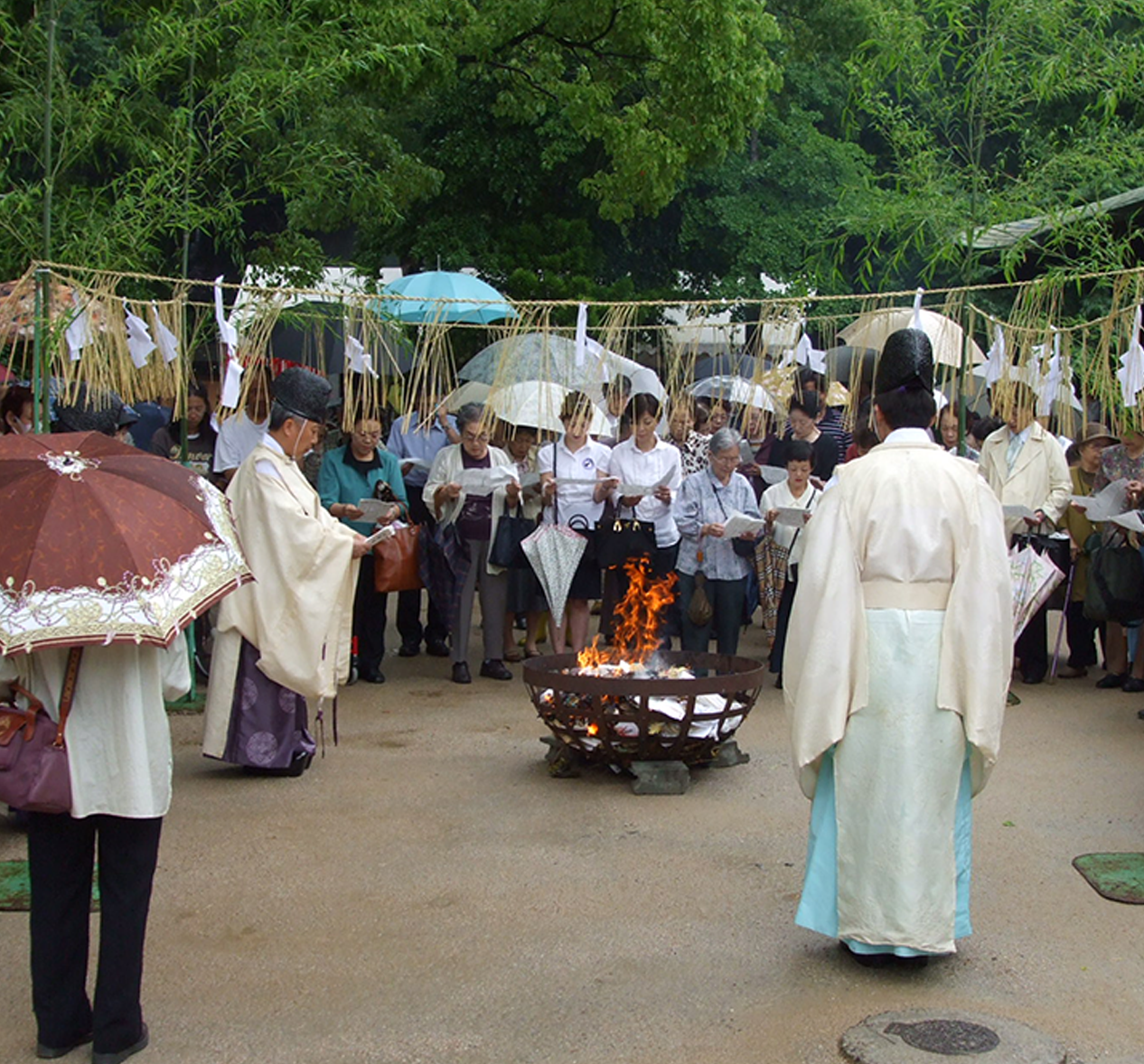
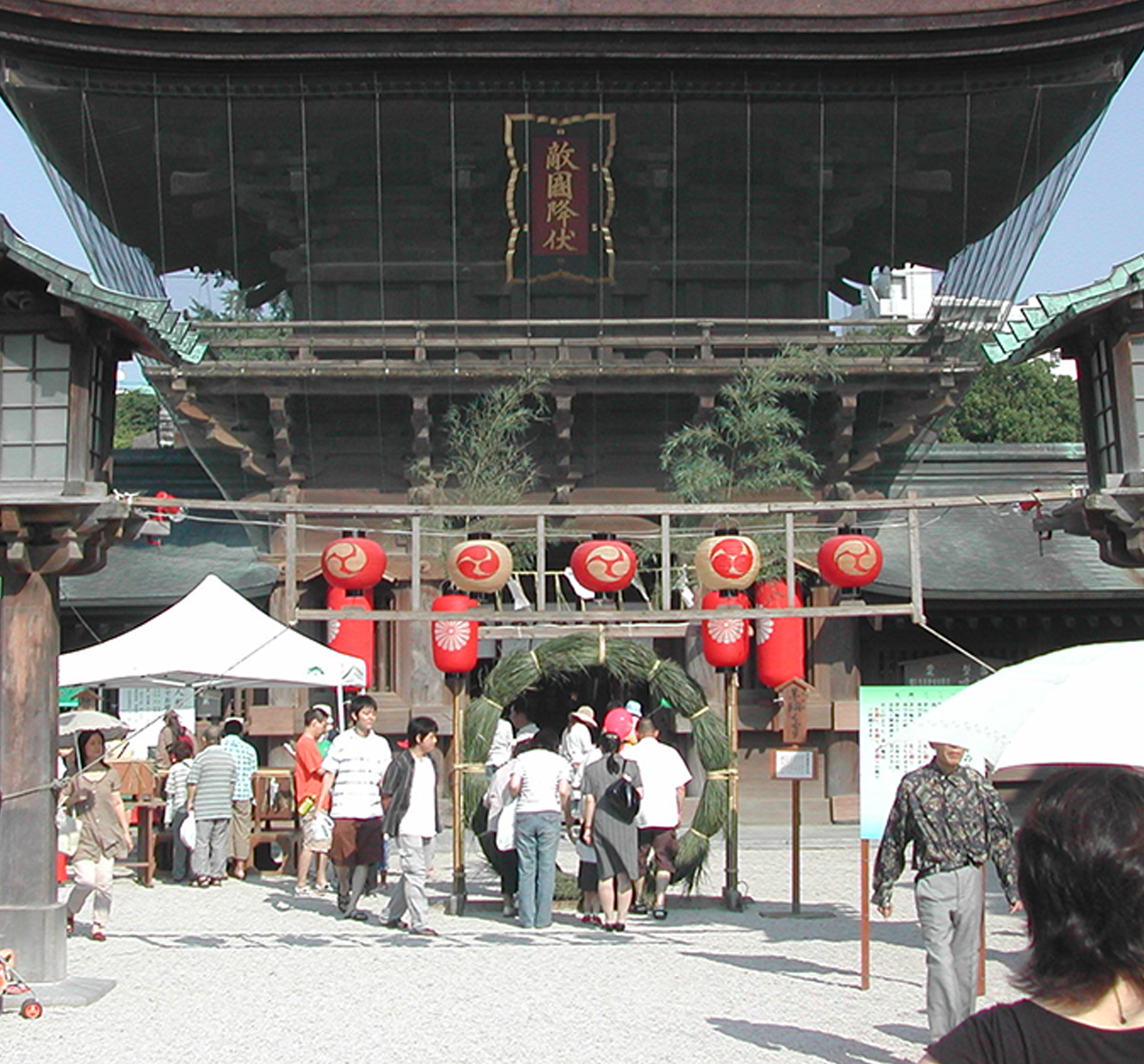
Nagoshi-sai is a summer purification ritual to wash away the spiritual impurities of the past six months. By passing through the Chinowa—a large sacred ring made of cogon grass—worshippers pray for good health and a fresh start for the rest of the year.
The Ritual Visitors walk through the ring three times in a figure-eight pattern (left, right, then left). This tradition is believed to grant a long, healthy life and the strength to endure the summer heat.
Festival Highlights The shrine’s main approach transforms into a vibrant Variety Market. Under the theme "It's Summer! It's a Festival!", local stalls and live events create a lively atmosphere for all to enjoy.
Overview
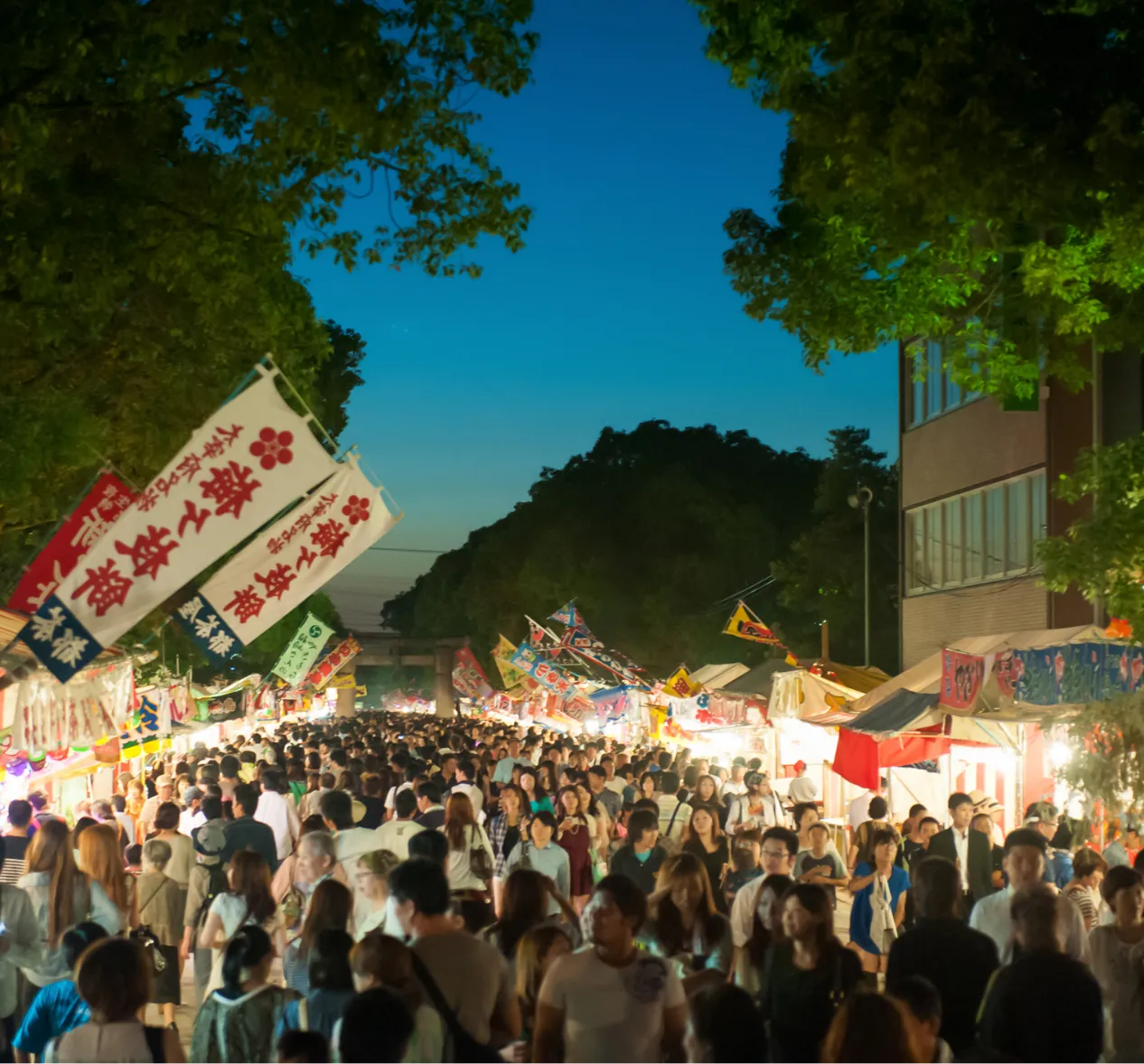
Ranked alongside Hakata Dontaku and Hakata Gion Yamakasa as one of the Three Major Festivals of Hakata, Hojoya is the most important ritual at Hakozaki-gu, with a history spanning over a thousand years. The festival is dedicated to cherishing all living things, abstaining from the taking of life, and giving thanks for the autumn harvest.
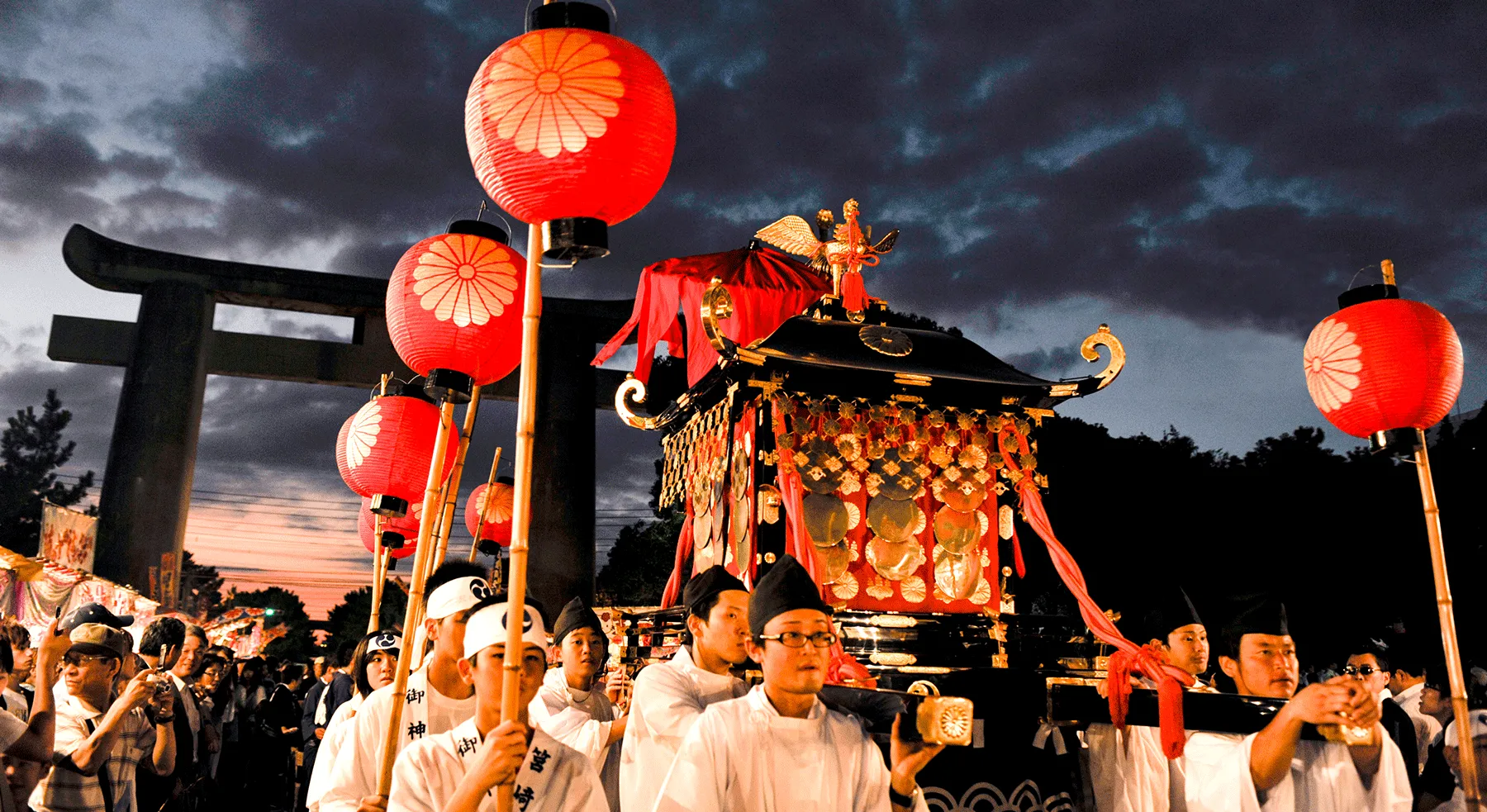
As Kyushu's premier autumn event, the 1-kilometer-long approach to the shrine is lined with hundreds of festival stalls throughout the seven-day period. Every other year, the festival features the Goshinko (Holy Palanquin Procession), a magnificent parade designated as an Intangible Folk Cultural Property of Fukuoka City.
Overview
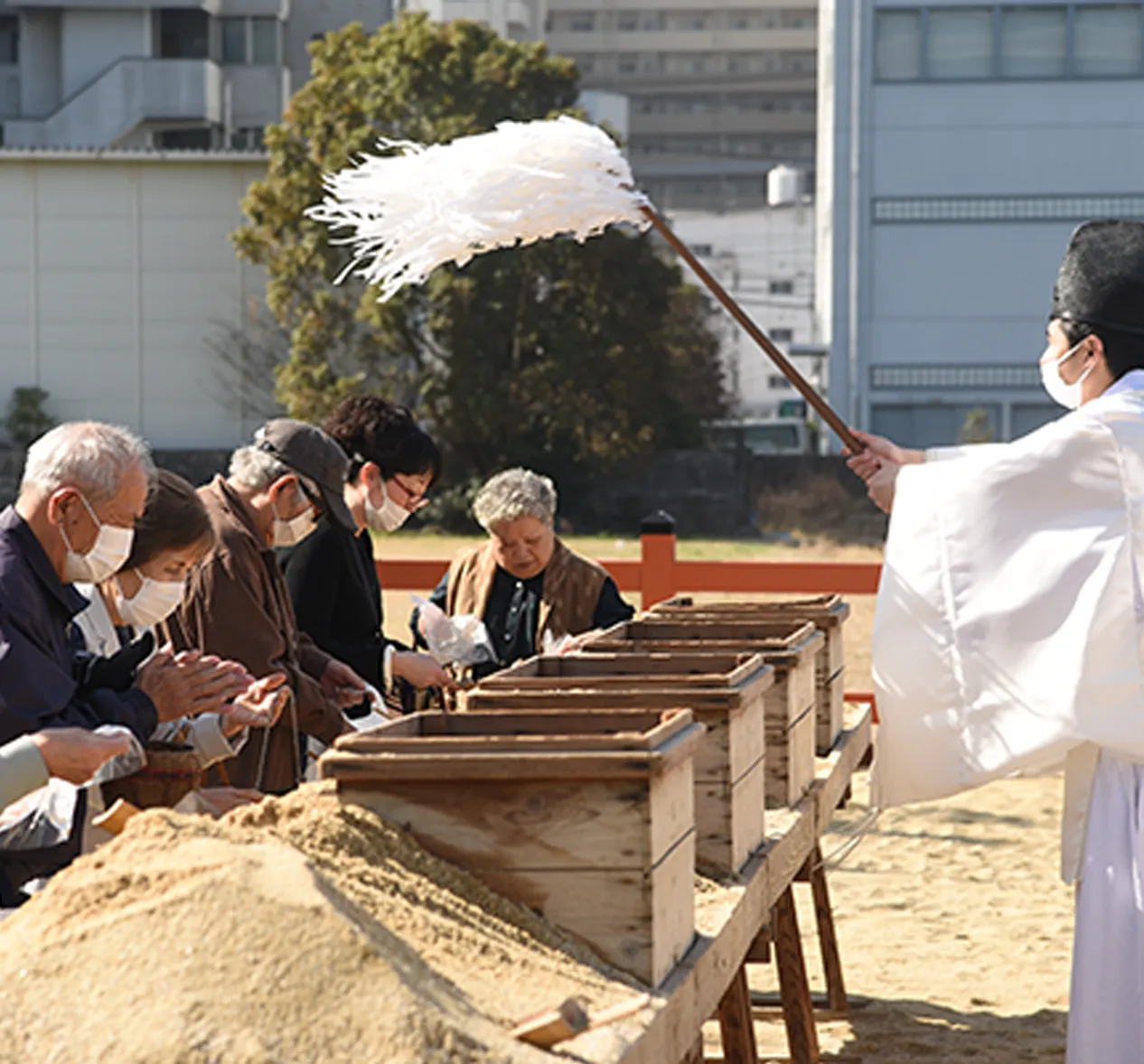
Sha-nichi-sai is a traditional seasonal marker held on the day of Tsuchinoe nearest the autumnal equinox. This festival is dedicated to the deity of the earth, where visitors offer prayers for a bountiful harvest, the safety of their families, and protection from misfortune.
The "Oshioi-tori" Tradition The highlight of this day is the ritual of Oshioi-tori, in which worshippers visit Hakozaki Beach to collect "Oshioi"—sacred sand from the shrine’s holy grounds. Worshippers take this sand home to use for purification and to invite good fortune into their daily lives.
The sand collected on this specific day is prized for being particularly potent, drawing large crowds of visitors to the beach from the early hours of the morning.
Overview
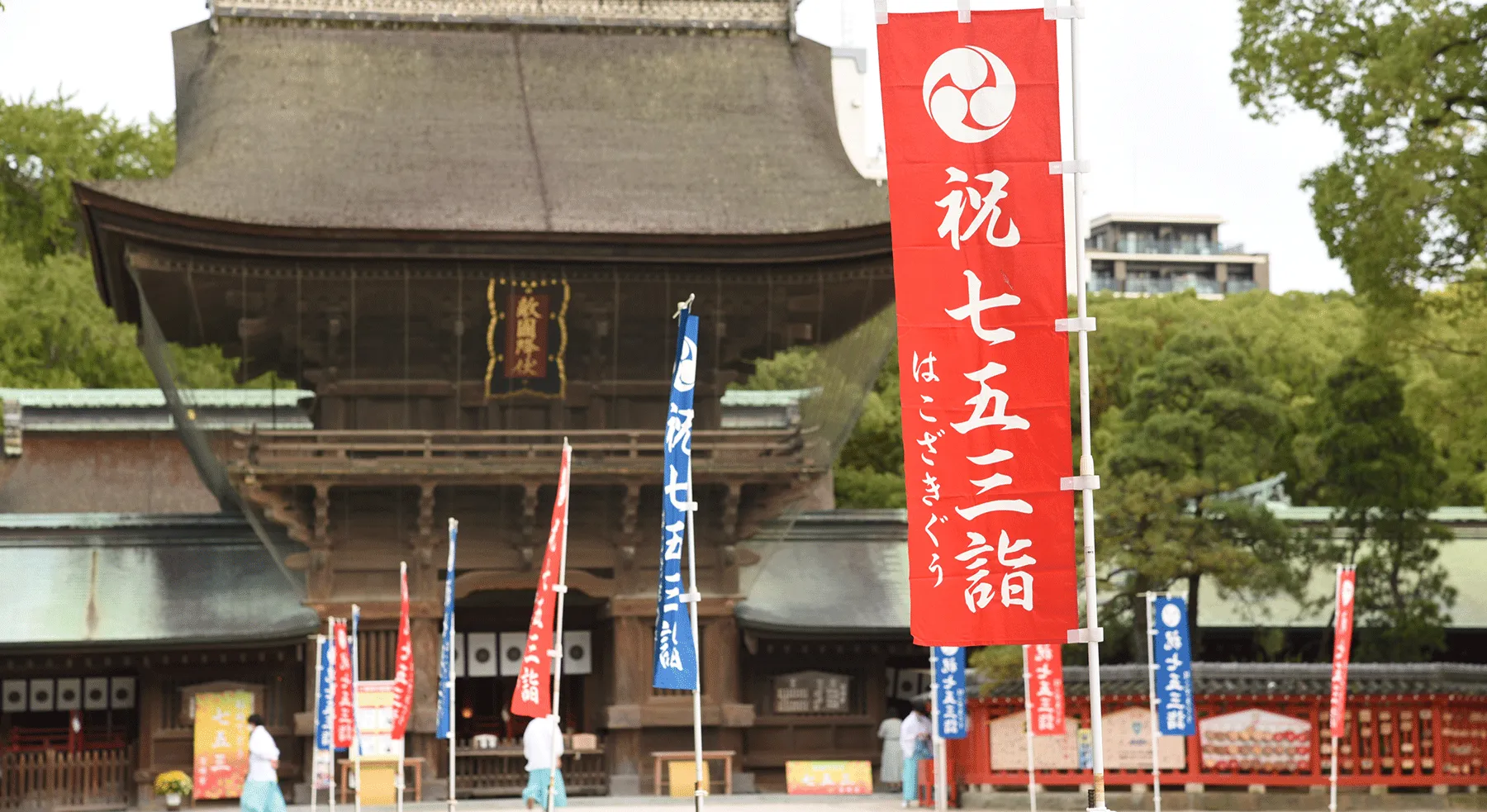
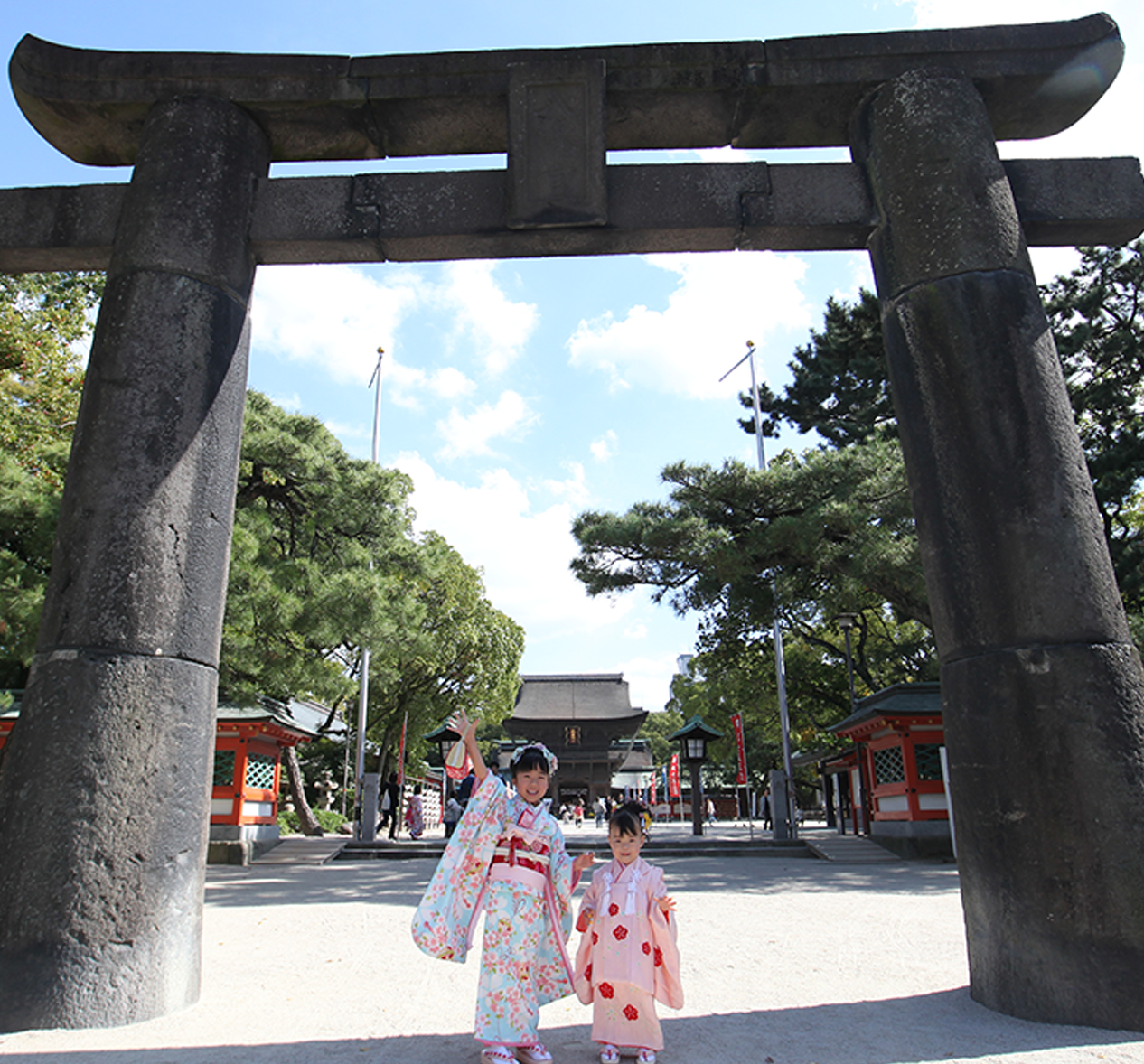
Shichi-Go-San is a traditional rite of passage celebrating the growth and well-being of young children. The festival’s date is said to originate from November 15, 1681, when Tokugawa Tsunayoshi, the 5th Shogun of the Edo Period, held a ceremony for his son’s health. The Tradition Children of specific ages—three-year-old boys and girls, five-year-old boys, and seven-year-old girls—visit the shrine dressed in beautiful celebratory attire (often traditional Kimono). Families come together to offer gratitude to the deities for the children's healthy growth so far and to pray for their continued safety and bright future.
Overview
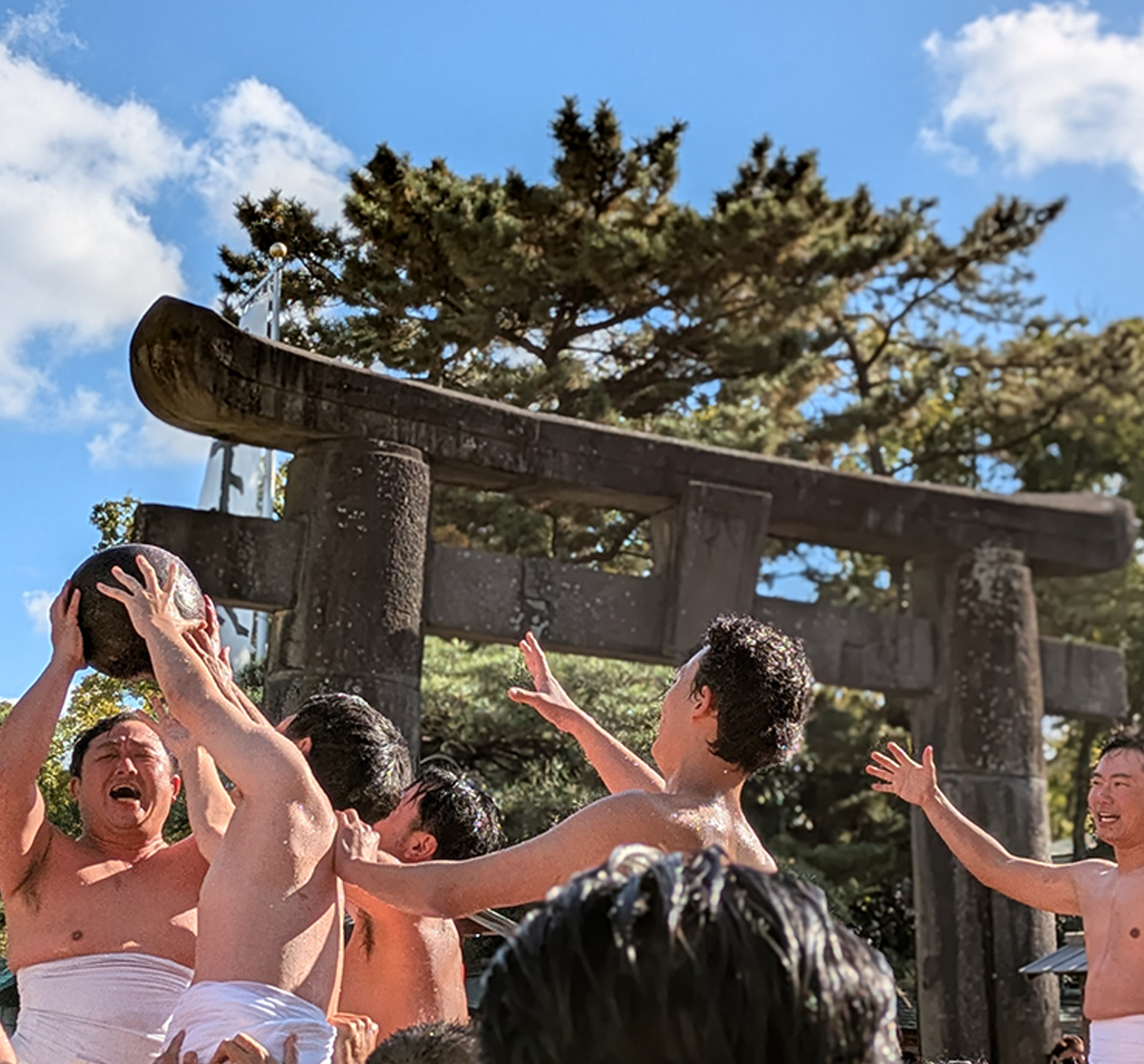
Known as Tamaseseri, this is one of Kyushu's top three festivals, with over 500 years of history. It is a high-energy Shinto ritual where men in traditional loincloths (shimekomi) compete fiercely for a sacred wooden ball.
The Ritual of Good Fortune: The “Yang” ball is handed to the competitors, who jostle and surge toward the main shrine while being doused with purifying water. Touching the ball is believed to ward off evil and bring incredible good luck.
A Divination for the Year: The competition also serves as a prophecy for the year's fortune.
Land Side wins: A sign of a bountiful harvest. * Sea Side wins: A sign of a rich catch of fish. The ritual concludes when the ball is finally offered to the priests.
Overview
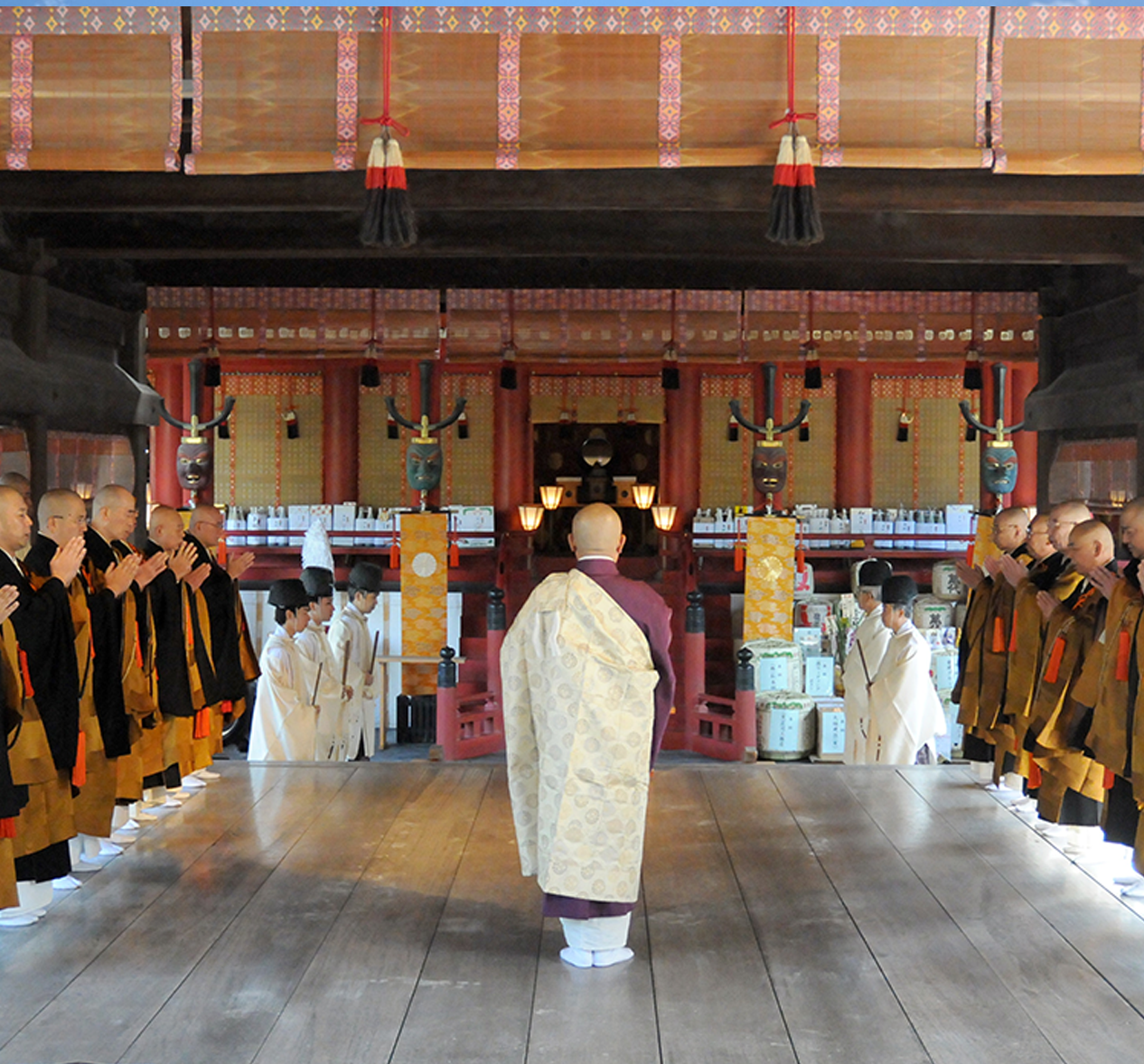
This ritual celebrates a 770-year-old bond between Hakozaki-gu and Jotenji Temple. In 1241, the temple’s founder, Enni, survived a life-threatening storm at sea after praying to the deity of Hakozaki-gu. Every year on January 11th, the monks of Jotenji visit the shrine to offer their gratitude.
The "Meguri-kyo" Ritual A rare and solemn sight where Buddhist monks chant sutras while circling the Shinto worship hall. This unique ceremony, known as Meguri-kyo, beautifully showcases the historical harmony between Buddhism and Shinto in Japan.
How to reach us by Train or Bus
Total Travel Time: Approx. 25 min.
(Excluding walking time)
Total Travel Time: Approx. 20 min.
(Excluding walking time)
Total Travel Time: Approx. 15 min.
(Excluding walking time)
Where is Hakozaki Shrine?
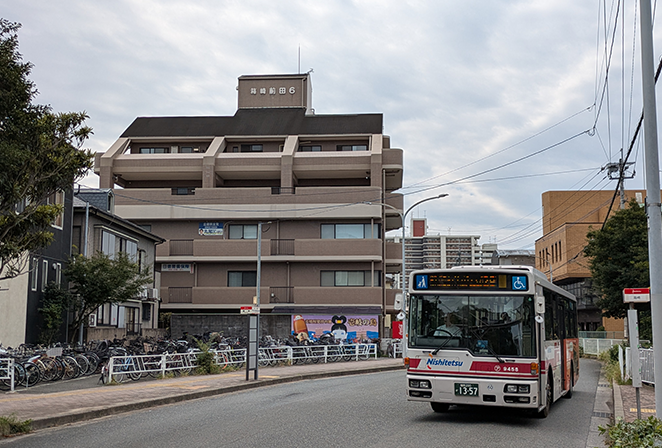
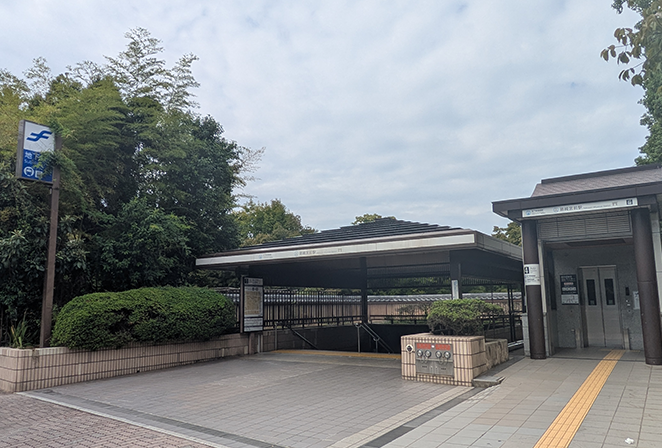
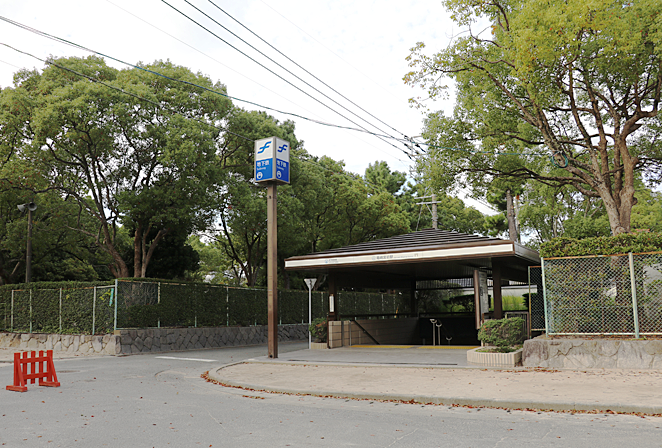
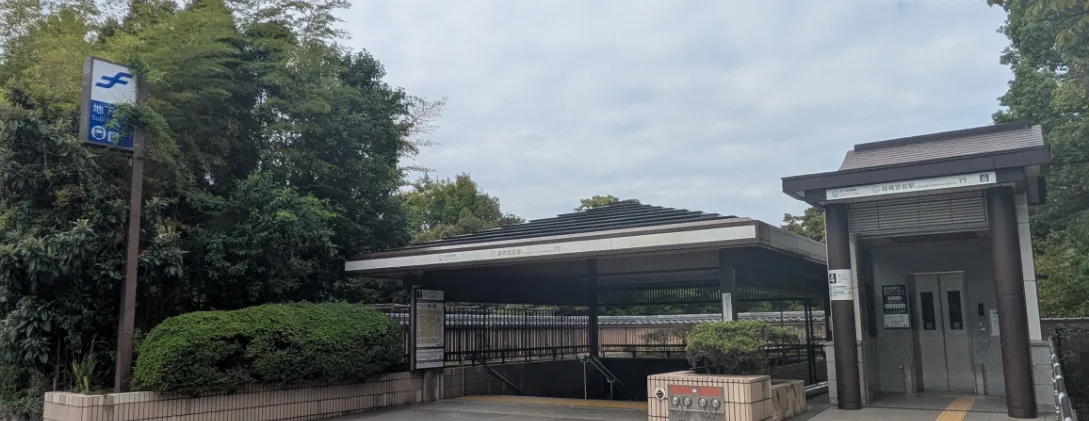
Hakozakigu Shrine is located in Fukuoka City, in the eastern part of the Hakata area. It’s easily accessible by subway—just a short walk from Hakozaki-miya-mae Station.
For access information from major transportation hubs, please see here.
What are the shrine’s opening hours?
The shrine opens at 6:00 AM and closes at 7:00 PM. The amulet and charm counter is open from 8:30 AM to 5:30 PM, and prayer applications are accepted from 9:00 AM to 4:30 PM. Please note that prayer reception hours may vary depending on ceremonial events. For details, please check the Prayer Reception Calendar.
Is the shrine ever closed?
The shrine is open every day, except in special circumstances such as natural disasters.
What is the best way to get to Hakozaki Shrine from Hakata Station?
This is the Fukuoka City Subway. For detailed access information, please see here.
What is the best way to get to Hakozaki Shrine from Fukuoka Airport?
This is the Fukuoka City Subway. For detailed access information, please see here.
Is there a parking lot?
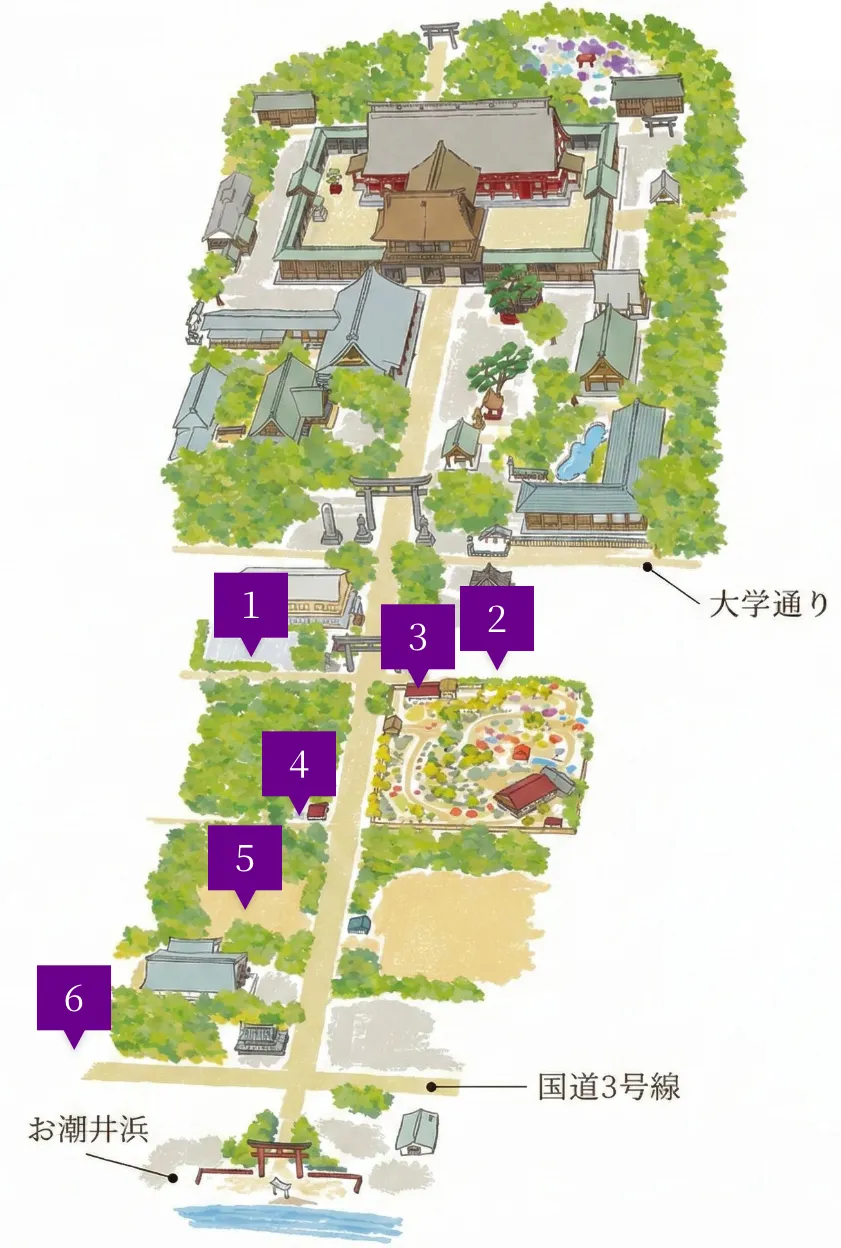
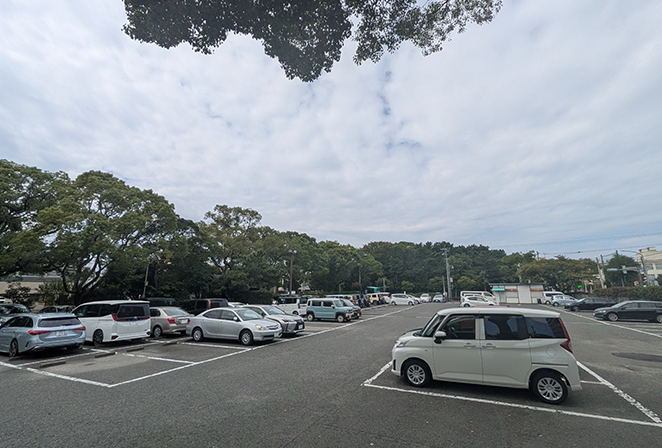
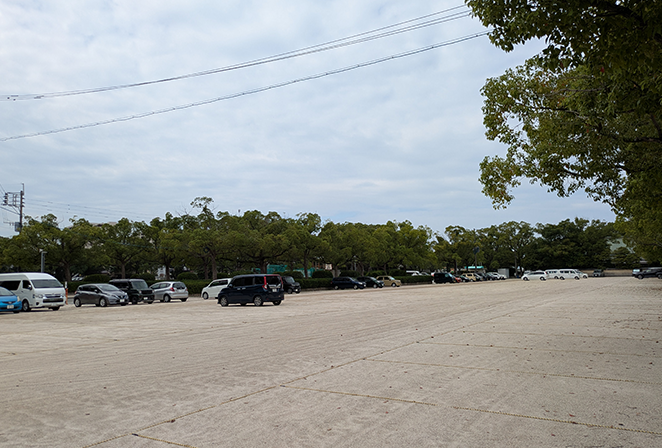
There are two parking lots: the Miyamae Parking Lot and the Gaien Parking Lot. During the Hōjō-ya Festival, the Gaien Parking Lot is closed, but temporary parking is available.
For the location of facilities on the shrine grounds, please see here.
Is it okay to take photos on the shrine grounds?
Photography Guidelines:
Could you tell me the proper way to pray at the shrine?
Please see this [video link].
Can I purchase omamori (amulets), ofuda (talismans), or engimono (good-luck charms)?
You can purchase them at the shrine’s counter.
For the location, please see here.
What is a Goshuin, and how can I receive one?
A goshuin is a seal stamp, often accompanied by handwritten calligraphy, that marks your visit to a shrine or temple. It is considered a sacred memento and a record of your spiritual journey.
A goshuincho is a special notebook used to collect goshuin, which are unique stamps and calligraphy given at shrines and temples in Japan.
Visitors can purchase a goshuincho at the shrine and have a goshuin stamped in it at the reception window. Each goshuin is different and may include the shrine’s name, date of visit, and blessings. You can purchase them at the shrine’s reception window inside the grounds.
Do I need a reservation to request a prayer?
No reservation is required. We accept prayer requests at the reception desk at any time.
Is there anything I need in order to receive a blessing?
You will be asked to make an offering (prayer fee) starting from ¥5,000.
How long does the prayer ceremony take?
It takes about 15–20 minutes.
Is there an admission fee to enter the shrine grounds?
There is no admission fee.
How much are the amulets, talismans, lucky charms, and goshuin?
Amulets and talismans are generally around ¥1,000, good-luck charms range from ¥1,000 to ¥10,000, goshuin stamps are ¥500, and new goshuin books are ¥2,000.
Please note that these prices are approximate and may vary for certain items.
Can I pay by credit card, or is it cash only?
We accept cash only.
Can you tell me the history of this shrine?
Founded in 923 AD, Hakozaki Shrine is one of Japan’s three major Hachiman shrines. It is famous as a place to pray for victory and success. Throughout history, many notable samurai and leaders, including Ashikaga Takauji, Ōuchi Yoshitaka, Kobayakawa Takakage, and Toyotomi Hideyoshi, visited the shrine to pay their respects.
Which deity is enshrined here?
The shrine enshrines the following deities:
Do you have English guides, brochures, or signs?
There is a multilingual digital signage display located next to the First Torii Gate.
Are there staff members who speak English?
We do not have English-speaking staff, but we can assist you using translation apps.
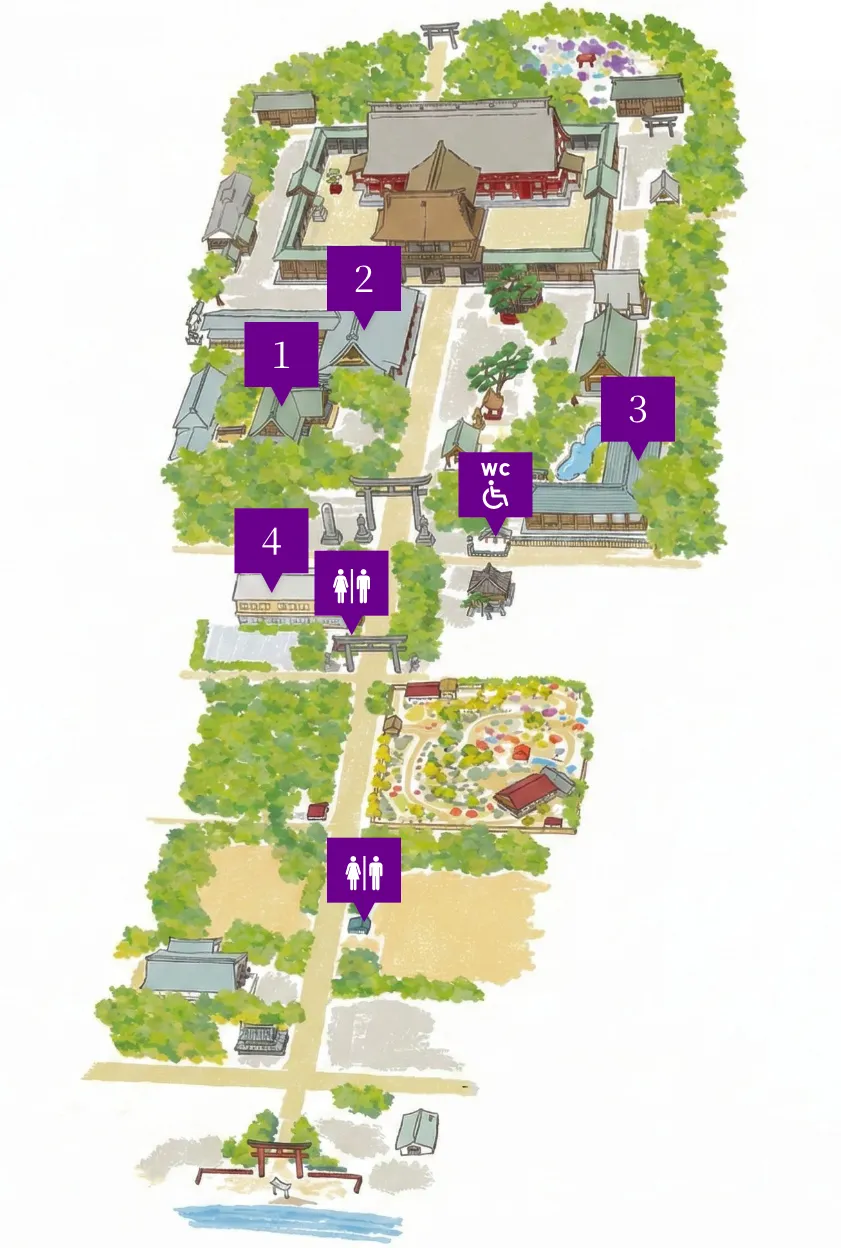
Are there restrooms available? Is there an accessible restroom?
There are three restrooms on the shrine grounds, including one barrier-free (accessible) restroom.
For detailed location information, please see here.
Is the shrine wheelchair accessible?
Visitors in wheelchairs can access the shrine, but please be aware that some areas may be difficult to pass through.
Are there any restaurants or cafes on the shrine grounds?
On the shrine grounds, there is the French restaurant La Saison Hakozakigu Guest House and Hako Café.
For more details, please see here.
Is Wi-Fi available?
We do not offer Wi-Fi service.
Where is Hakozaki Shrine?
Hakozakigu Shrine is located in Fukuoka City, in the eastern part of the Hakata area. It’s easily accessible by subway—just a short walk from Hakozaki-miya-mae Station.
For access information from major transportation hubs, please see here.
What are the shrine’s opening hours?
The shrine opens at 6:00 AM and closes at 7:00 PM. The amulet and charm counter is open from 8:30 AM to 5:30 PM, and prayer applications are accepted from 9:00 AM to 4:30 PM. Please note that prayer reception hours may vary depending on ceremonial events. For details, please check the Prayer Reception Calendar.
Is the shrine ever closed?
The shrine is open every day, except in special circumstances such as natural disasters.
What is the best way to get to Hakozaki Shrine from Hakata Station?
This is the Fukuoka City Subway. For detailed access information, please see here.
What is the best way to get to Hakozaki Shrine from Fukuoka Airport?
This is the Fukuoka City Subway. For detailed access information, please see here.
Is there a parking lot?
There are two parking lots: the Miyamae Parking Lot and the Gaien Parking Lot. During the Hōjō-ya Festival, the Gaien Parking Lot is closed, but temporary parking is available.
For the location of facilities on the shrine grounds, please see here.
Is it okay to take photos on the shrine grounds?
Photography Guidelines:
Could you tell me the proper way to pray at the shrine?
Please see this [video link].
Can I purchase omamori (amulets), ofuda (talismans), or engimono (good-luck charms)?
You can purchase them at the shrine’s counter.
For the location, please see here.
What is a Goshuin, and how can I receive one?
A goshuin is a seal stamp, often accompanied by handwritten calligraphy, that marks your visit to a shrine or temple. It is considered a sacred memento and a record of your spiritual journey.
A goshuincho is a special notebook used to collect goshuin, which are unique stamps and calligraphy given at shrines and temples in Japan.
Visitors can purchase a goshuincho at the shrine and have a goshuin stamped in it at the reception window. Each goshuin is different and may include the shrine’s name, date of visit, and blessings. You can purchase them at the shrine’s reception window inside the grounds.
Do I need a reservation to request a prayer?
No reservation is required. We accept prayer requests at the reception desk at any time.
Is there anything I need in order to receive a blessing?
You will be asked to make an offering (prayer fee) starting from ¥5,000.
How long does the prayer ceremony take?
It takes about 15–20 minutes.
Is there an admission fee to enter the shrine grounds?
There is no admission fee.
How much are the amulets, talismans, lucky charms, and goshuin?
Amulets and talismans are generally around ¥1,000, good-luck charms range from ¥1,000 to ¥10,000, goshuin stamps are ¥500, and new goshuin books are ¥2,000.
Please note that these prices are approximate and may vary for certain items.
Can I pay by credit card, or is it cash only?
We accept cash only.
Can you tell me the history of this shrine?
Founded in 923 AD, Hakozaki Shrine is one of Japan’s three major Hachiman shrines. It is famous as a place to pray for victory and success. Throughout history, many notable samurai and leaders, including Ashikaga Takauji, Ōuchi Yoshitaka, Kobayakawa Takakage, and Toyotomi Hideyoshi, visited the shrine to pay their respects.
Which deity is enshrined here?
The shrine enshrines the following deities:
Do you have English guides, brochures, or signs?
There is a multilingual digital signage display located next to the First Torii Gate.
Are there staff members who speak English?
We do not have English-speaking staff, but we can assist you using translation apps.
Are there restrooms available? Is there an accessible restroom?
There are three restrooms on the shrine grounds, including one barrier-free (accessible) restroom.
For detailed location information, please see here.
Is the shrine wheelchair accessible?
Visitors in wheelchairs can access the shrine, but please be aware that some areas may be difficult to pass through.
Are there any restaurants or cafes on the shrine grounds?
On the shrine grounds, there is the French restaurant La Saison Hakozakigu Guest House and Hako Café.
For more details, please see here.
Is Wi-Fi available?
We do not offer Wi-Fi service.
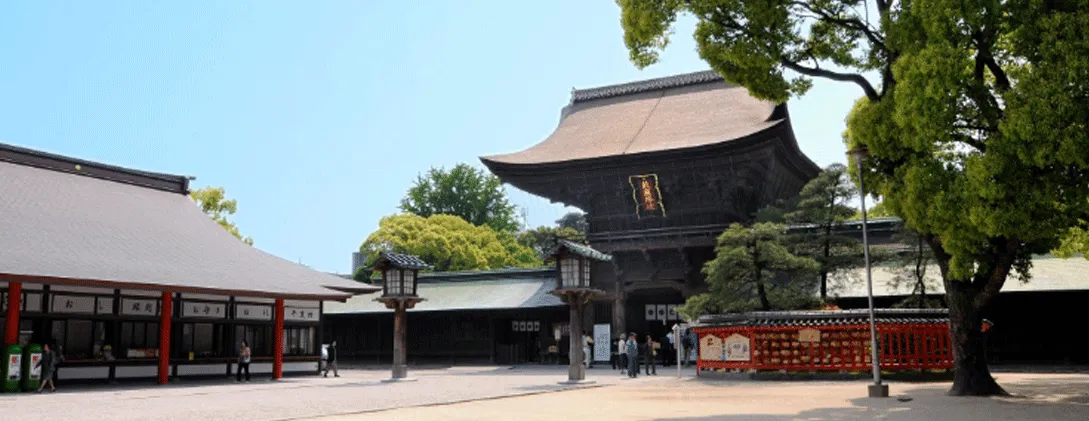
For amulets, charms, fortune slips, Goshuin stamps, and ritual prayers, or for any inquiries, please visit the Shrine Office (Shamuso).
| 日 | 月 | 火 | 水 | 木 | 金 | 土 |
|---|---|---|---|---|---|---|
1 [午前] 要問合せ | 2 | 3 | ||||
4 | 5 | 6 | 7 | 8 | 9 | 10 [午後] 要問合せ |
11 [午後] 要問合せ | 12 | 13 | 14 | 15 [午前] 要問合せ | 16 | 17 [午後] 要問合せ |
18 | 19 | 20 | 21 | 22 | 23 | 24 [午後] 要問合せ |
25 [午後] 要問合せ | 26 | 27 | 28 | 29 | 30 | 31 [午後] 要問合せ |
・Dates and times with markings are unavailable for requests.
・"午前" indicates AM (Morning) and "午後" indicates PM (Afternoon).
・Marked slots are closed.
・午前 = AM / 午後 = PM